

Understanding Bitcoin: The Basics of the Digital Currency
Characteristics of Bitcoin:
Bitcoin operates on a decentralized blockchain, a secure and transparent digital ledger that records all transactions. This eliminates the need for intermediaries such as banks, reducing transaction costs and increasing privacy. Bitcoin’s supply is limited to 21 million coins, creating scarcity and potentially driving up its value.
Benefits and Limitations:
Bitcoin has been praised for its potential to revolutionize financial systems, offering benefits such as global accessibility, fast and cheap transactions, and resistance to inflation. However, it also faces limitations, including volatility, scalability issues, and a limited acceptance in the mainstream economy. Nonetheless, Bitcoin continues to inspire innovation and exploration in the digital currency realm.
Bitcoins Mechanics: How the System Operates
Decentralized Ledger
Bitcoin operates using a distributed, public ledger known as the blockchain. The blockchain records all transactions, and each block in the chain references the previous one, ensuring the immutability and transparency of the system. This immutable record makes it difficult to manipulate or falsify transactions, ensuring the reliability of the network.
Consensus Mechanism
To achieve agreement on the state of the blockchain, Bitcoin employs a consensus mechanism called proof-of-work. In this process, miners solve complex mathematical problems to validate transactions and add new blocks to the chain. The successful miner receives a reward in the form of bitcoins, incentivizing participation and securing the network against malicious actors attempting to manipulate the system.
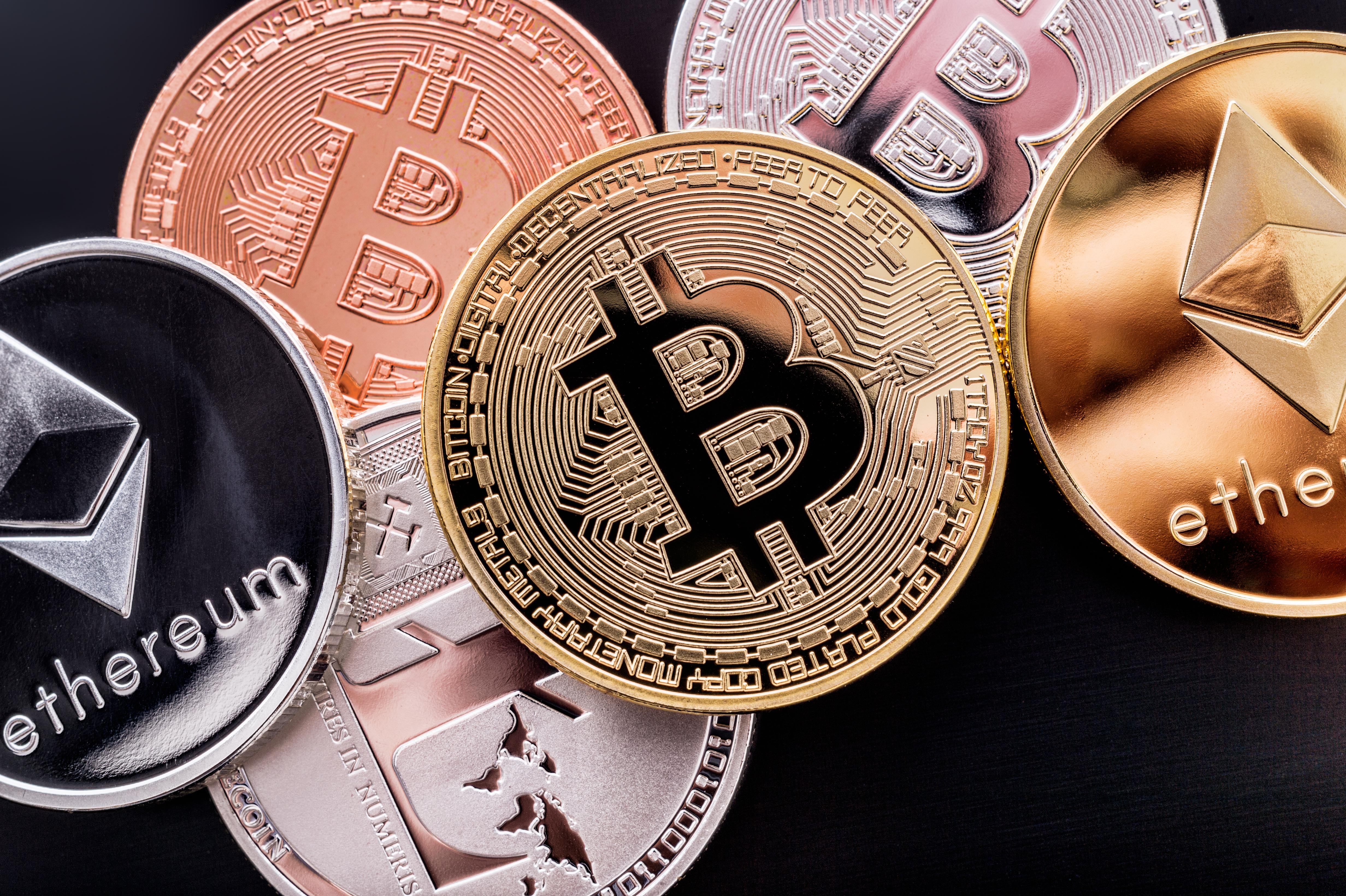
Bitcoins Marketplace: Mining, Exchanges, and Wallets
Mining
The process of creating new bitcoins and verifying transactions is known as mining. Miners use specialized computers to solve complex mathematical problems, which create new blocks in the Bitcoin blockchain. In return for their efforts, miners are rewarded with bitcoins. Mining is an energy-intensive process, and the difficulty of mining new blocks increases over time.
Exchanges
Bitcoin exchanges are online platforms that allow users to buy, sell, and trade bitcoins with other currencies, such as dollars or euros. Exchanges vary in terms of fees, trading volume, and security measures. Some popular exchanges include Coinbase, Binance, and Kraken.
Bitcoins Future: Prospects and Challenges
Prospects
The future of Bitcoin remains shrouded in uncertainty, but there are several compelling reasons to believe that it has the potential to continue growing and evolving. First, Bitcoin is a decentralized digital currency that is not subject to the control of any central authority. This makes it an attractive alternative to traditional fiat currencies, which can be vulnerable to inflation and manipulation. Second, Bitcoin is a scarce asset, with a finite supply of 21 million coins. This scarcity gives it the potential to appreciate in value over time. Third, Bitcoin is a rapidly growing and evolving ecosystem. New applications and services are being developed all the time, which is making it more accessible and useful for a wider range of people.
Challenges
Despite its potential, Bitcoin also faces a number of challenges. One of the biggest challenges is the volatility of its price. Bitcoin’s price has fluctuated wildly in the past, and there is no guarantee that it will stabilize in the future. This volatility makes it difficult for businesses and consumers to adopt Bitcoin on a large scale. Another challenge is the lack of regulation. Bitcoin is currently unregulated in most jurisdictions, which creates uncertainty for businesses and investors. Bitcoin is still a relatively new technology, and there is always the potential for new vulnerabilities to be discovered. These challenges will need to be addressed before Bitcoin can reach its full potential.
We conclude our exploration of Bitcoin with the profound realization that it represents a paradigm shift in the financial realm. Its decentralized, tamper-proof nature has the potential to revolutionize our understanding of money and finance. As the digital currency continues to evolve and gain widespread adoption, it is inevitable that Bitcoin will leave an indelible mark on the global economic landscape. However, as with any transformative technology, it is crucial to proceed with both optimism and caution, embracing the innovation while remaining vigilant to the potential risks. Only through rigorous research, informed decision-making, and responsible regulation can we harness the full potential of Bitcoin while mitigating any associated challenges.