
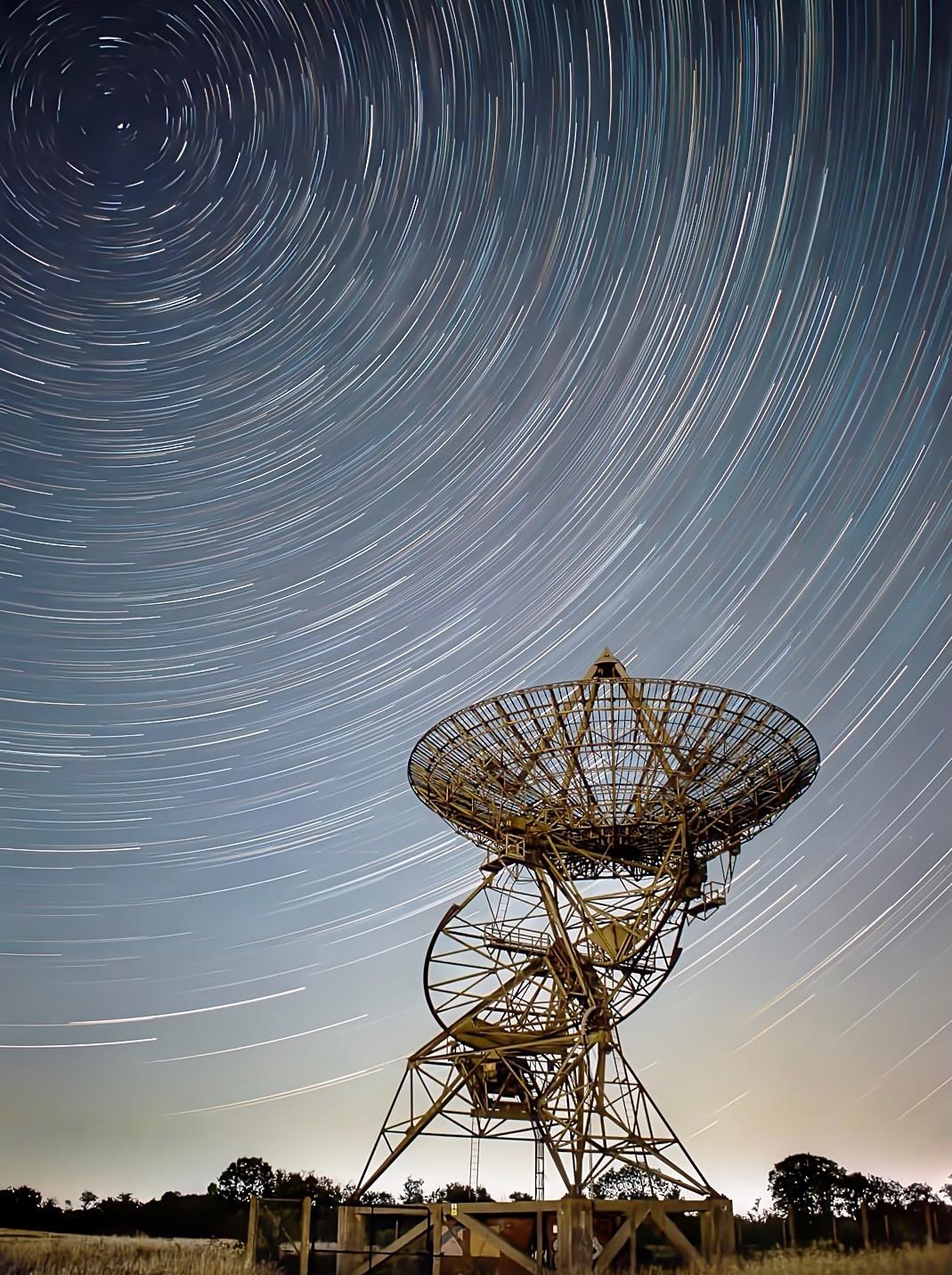
In a breathtaking celestial spectacle, an avid astrophotographer has captured a rare alignment of seven planets in the night sky, creating a stunning visual display that has captivated stargazers around the world. This extraordinary event, known as a planetary parade, occurs when planets align in a row, an occurence that is both infrequent and remarkable. The photograph showcases the ethereal beauty of our solar system, inviting viewers to ponder the wonders of the universe and the intricate dance of celestial bodies overhead. As enthusiasts eagerly share and discuss the phenomenon,this image promises to be etched in the annals of astronomy and a testament to the beauty of our night sky.
Astrophotographer Documents Historic Planetary Alignment in Stunning Detail
In an extraordinary celestial event witnessed by stargazers around the world, an astrophotographer has seized the rare opportunity to document a planetary alignment involving seven planets. this rare phenomenon, which last occurred over a decade ago, took place in the early hours, offering a breathtaking spectacle in the clear night sky. The resulting photographs showcase not only the alignment but also the unique beauty and colors of each planet, providing a stunning visual narrative that highlights the grandeur of our solar system.
The photographer utilized advanced techniques and state-of-the-art equipment to capture the intricate details of this alignment, including planets such as Mercury, Venus, Mars, Jupiter, Saturn, along with Uranus and Neptune, positioned in a grand arc. By setting up in an area with minimal light pollution and optimal angles, the resulting images reveal:
- Vibrant hues of light reflecting off the planetary surfaces.
- Distinct formations that provide insight into their alignment.
- The surrounding stars,enhancing the overall cosmic context.
Significance of the Rare Celestial Event and Its Implications for Astronomy
The recent alignment of seven planets has not only provided a stunning visual spectacle but has also ignited discussions about its significance in the field of astronomy. Events of this nature, where celestial bodies line up in such close proximity, are rare and offer researchers unique opportunities to observe planetary motion and form. Such planetary parades can enhance our understanding of gravitational interactions and the dynamics of our solar system. Moreover, they can provide invaluable data regarding individual planets’ atmospheres and compositions as they can be studied in relation to one another during the alignment.
The implications extend beyond mere observation; this planetary alignment can influence future astronomical research and public engagement with the sciences. Notably, it may foster a renewed interest in space exploration and the importance of astronomical events in educational curricula. To illustrate the alignment and its celestial participants, the following chart provides a brief overview of the planets involved:
| Planet | distance from Earth (million km) | Main Feature |
|---|---|---|
| Mercury | 91.7 | Fastest planet |
| Venus | 41.4 | EarthS twin |
| Earth | 0 | Our home |
| mars | 54.6 | Red planet |
| Jupiter | 588 | Largest planet |
| saturn | 1,200 | Ringed giant |
| Uranus | 2,600 | Sideway rotation |
Tips for Aspiring Astrophotographers to Capture Dazzling Night Sky Moments
For those enchanted by the cosmos and eager to capture the majesty of celestial events, a few essential tips can enhance your astrophotography skills. First and foremost, investing in a high-quality camera with manual settings is crucial. This enables control over shutter speed, aperture, and ISO to adapt to varying light conditions. Additionally, bringing a sturdy tripod is beneficial for stabilizing long-exposure shots, which are essential for capturing vivid details in the night sky. Consider utilizing wide-angle lenses to encompass expansive views of the heavens and incorporate foreground elements for depth.
Timing and location also play pivotal roles in successful astrophotography. Seek out dark areas far from light pollution, perhaps national parks or secluded spots, to ensure clarity in your images. Utilize mobile apps or websites that track celestial events to plan your shoots around phenomena like meteor showers or planetary alignments. To make the most of your outings,keep a notebook to log settings and conditions for various shots. This practice not only helps you refine your technique but builds a repository of knowledge that can be revisited in the future.
Concluding Remarks
As the celestial dance of the seven planets graces our night sky, this rare alignment offers both a visual spectacle and a reminder of the wonders of our universe. Astrophotographers like [Photographer’s Name] play a crucial role in capturing these fleeting moments, providing us with breathtaking images that inspire a sense of wonder and curiosity about the cosmos. As we continue to explore the mysteries beyond our planet, events like this not only spark our inventiveness but also evoke a deeper thankfulness for the intricate beauty of the universe. Stay tuned for more astronomical events and insights as we unravel the secrets of the night sky.