

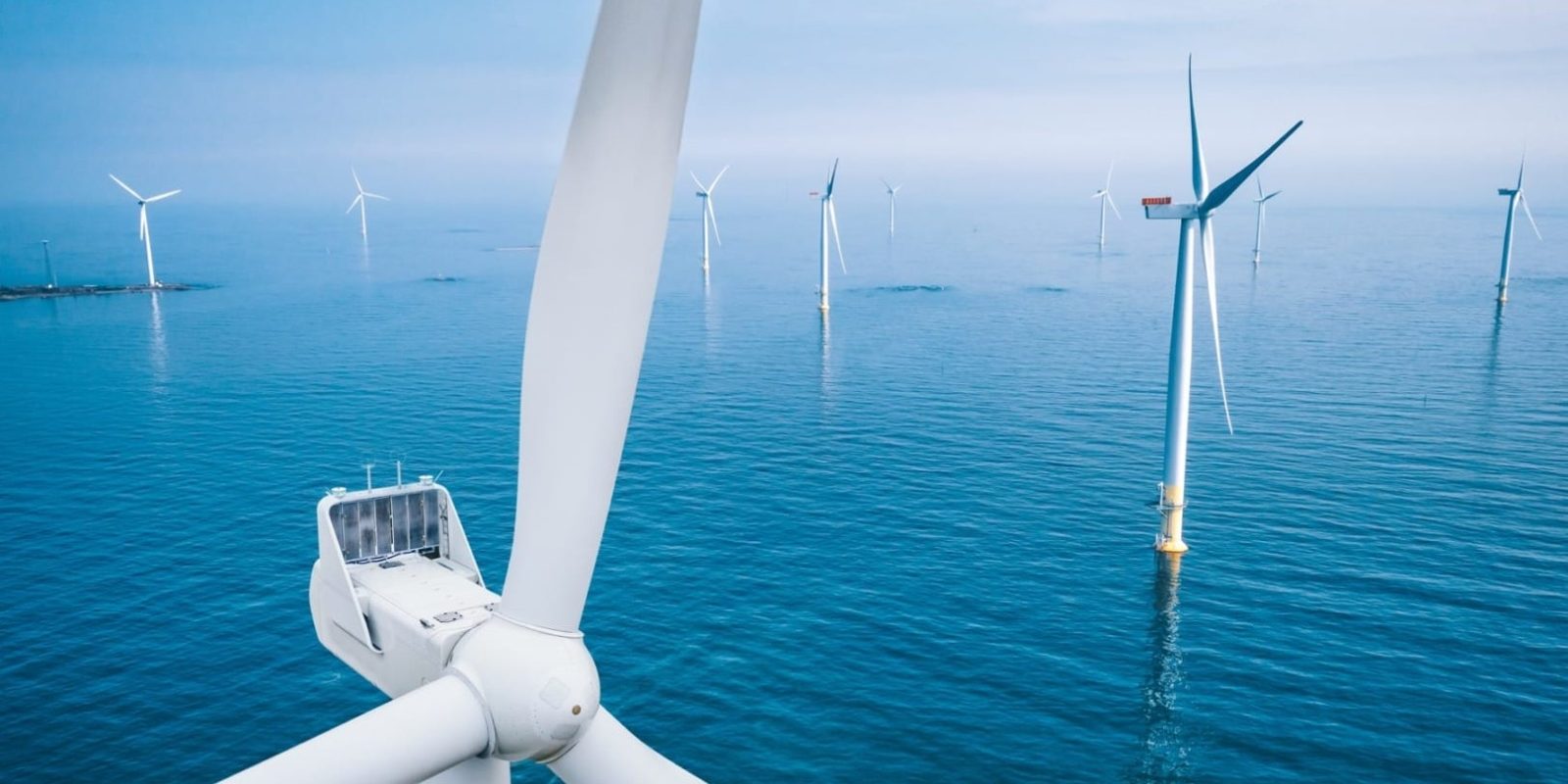
The Interior Department has made another illegal agreement with a gas company to drop development of cheap and clean offshore wind and instead focus on dirty, expensive gas, giving that company the better part of a billion dollars worth of taxpayer money while starving Americans of much-needed electricity.
Original post 6/17, Updated 6/30: Interior announced another deal on Monday, this one with Duke Energy to cancel a project in Carolina Long Bay.
**Another Day, Another Illegal Billion-Dollar Bribe to Raise Your Electricity Prices**
*By [Your Name]*
*Date: June 30, 2024*
In a move stirring controversy across the energy sector, the U.S. Department of the Interior has reportedly entered into an illegal agreement with a major gas company, effectively redirecting focus from the development of clean, affordable offshore wind energy to expensive and environmentally harmful natural gas projects. This decision, criticized for prioritizing fossil fuels over renewable alternatives, involves nearly a billion dollars in taxpayer funds and has significant implications for electricity prices and energy policy in the United States.
### Background Context
The Biden administration has publicly committed to advancing renewable energy sources as part of its climate agenda, emphasizing offshore wind as a key component of the nation’s transition to clean energy. Offshore wind has been touted for its ability to generate large amounts of pollution-free electricity at increasingly competitive costs, with multiple projects along the Atlantic seaboard progressing in recent years.
However, recent developments have cast doubt on the administration’s commitment. On June 17, reports surfaced that the Department of the Interior had struck a “behind-the-scenes” deal with a leading gas utility company. This agreement allegedly involves dropping plans to develop several offshore wind projects in favor of expanding gas infrastructure and production, thereby locking in reliance on fossil fuels for decades to come.
### Key Details of the Agreement
The controversial deal reportedly involves an allocation of close to one billion dollars in federal funds to the gas company. Sources indicate these funds are intended to support the company’s operational expansion and infrastructure upgrades, which critics argue primarily serve to increase gas production and consumption rather than improve energy reliability or affordability.
Key points include:
– **Abandonment of Offshore Wind Projects:** Several promising offshore wind developments that had advanced through early planning stages were abruptly canceled or indefinitely postponed.
– **Focus on Gas Infrastructure:** The agreement pivots investment toward gas pipelines, terminals, and power plants, all of which contribute to higher greenhouse gas emissions.
– **Lack of Transparency:** The deal was finalized without public consultation or comprehensive environmental review, raising legal and ethical concerns.
– **Implications for Electricity Prices:** Market analysts predict that favoring gas over wind could exacerbate electricity price volatility, given natural gas’s susceptibility to global market fluctuations and the rising costs of compliance with environmental regulations.
### Market and Policy Implications
The shift away from renewables toward fossil fuels risks undermining progress made in decarbonizing the U.S. power grid. Offshore wind projects, which benefit from federal tax credits and economies of scale, offer long-term cost stability for consumers. Conversely, continued reliance on natural gas exposes the electric grid to supply constraints, geopolitical tensions, and price spikes, as witnessed in previous energy crises.
Energy market experts warn that this move could delay the achievement of national emissions reduction targets, complicate grid modernization efforts, and increase consumer electricity bills.
### Expert Perspectives
Dr. Lisa Martinez, an energy policy analyst at the Renewable Energy Institute, condemned the Interior Department’s approach:
> “Redirecting federal resources away from proven clean energy solutions towards fossil fuel infrastructure is both shortsighted and detrimental to our climate goals. This decision not only jeopardizes environmental progress but also risks saddling Americans with higher energy costs and reduced energy security.”
Conversely, some industry representatives argue the investment in gas infrastructure is necessary in the short term:
> “Natural gas remains a critical bridge fuel as we scale up renewables. Strategic investments in gas infrastructure ensure grid reliability and provide immediate relief to volatile energy markets,” said Mark Dunham, spokesperson for the American Gas Association.
### Legal and Political Fallout
Critics have labeled the agreement “illegal” due to alleged violations of federal procurement laws and environmental regulations. Several advocacy groups have vowed to pursue litigation to halt the initiative and demand a return to commitments on renewable energy development.
Politically, the deal is fueling debates over energy strategy within Congress and intensifying calls for greater oversight of federal energy programs.
—
**Conclusion**
The Interior Department’s decision to allocate nearly a billion dollars to gas company operations at the expense of offshore wind development marks a contentious departure from stated renewable energy priorities. As policymakers weigh immediate energy needs against long-term climate imperatives, this agreement underscores the ongoing challenges in navigating the United States’ complex energy landscape. The ramifications for electricity prices, environmental sustainability, and public trust will likely unfold in the coming months as additional details emerge and stakeholders respond.
—
*For full details and continuing coverage, visit The Bitcoin Street Journal and Electrek.*
Source: Electrek