

The Ripple Effect of Minor Token Fluctuations in Ethereum DeFi
A mere 3% movement in token value can trigger important repercussions in the Ethereum DeFi ecosystem, leading to major liquidations. Liquidations are a crucial mechanism within decentralized finance, acting as a safeguard to prevent excessive risk and maintain systemic stability. As token prices fluctuate, margin calls are issued to borrowers who have fallen below their maintenance margin levels, frequently enough causing a domino effect. Once a liquidation event is initiated, even a small price movement can cascade into a series of forced sell-offs. This process can lead to a loss of liquidity in the market, affecting both lenders and borrowers. The complexity of these interconnected systems means that a seemingly insignificant price swing can amplify and spread throughout the network, impacting countless participants.
| Event | Impact |
|---|---|
| Token Price Fluctuation | Margin Calls and Forced Liquidations |
| Liquidity Reduction | Increased Borrowing Costs |
| Risk Amplification | System Instability |
Understanding the mechanics behind these events is essential for participants to navigate the uncertainties of DeFi. By staying vigilant and proactive, stakeholders can mitigate the risks associated with sudden price swings, ensuring that their investments remain resilient in a volatile habitat.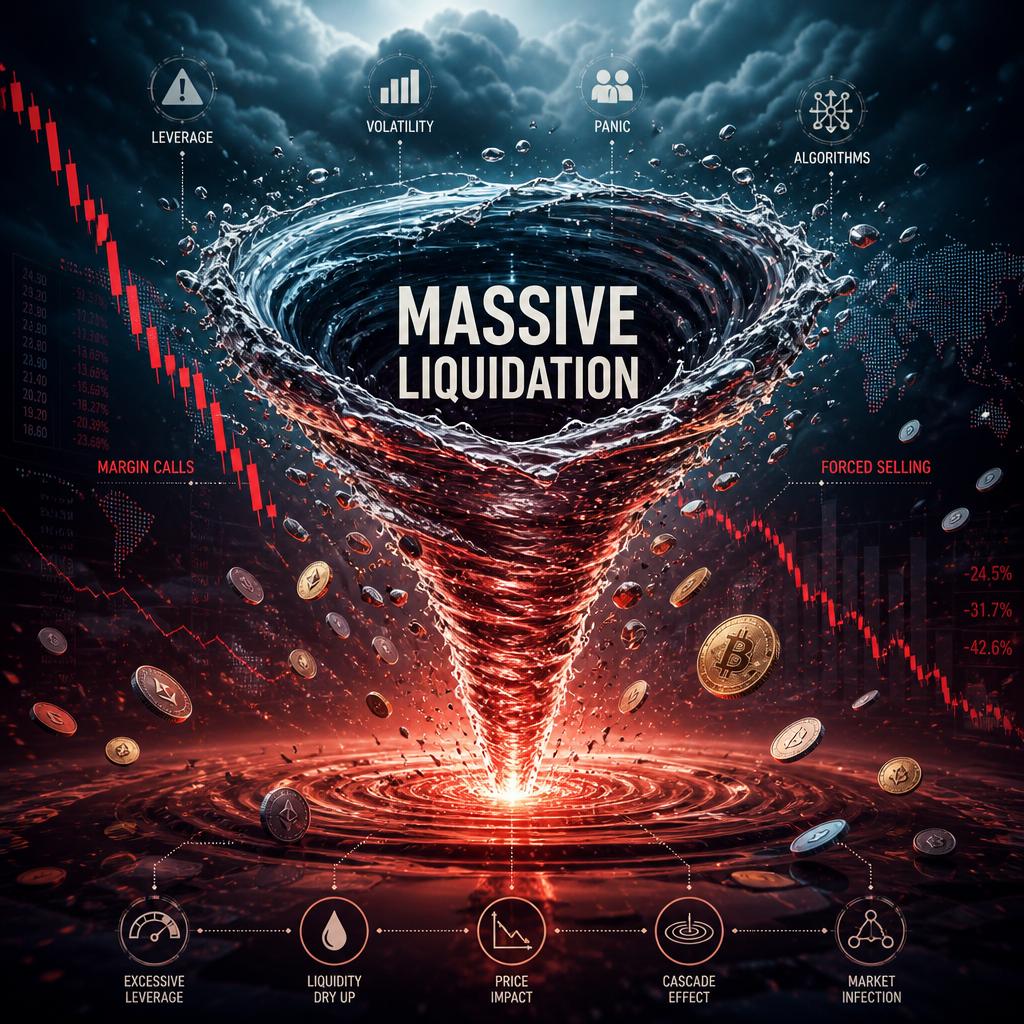
Understanding the Mechanisms Behind Massive Liquidation Events
in decentralized finance (DeFi) requires a grasp of how minor price movements can trigger significant financial impact.When a small token fluctuation sets off a wave of liquidations worth tens of millions of dollars, it’s often due to the use mechanisms and market conditions that DeFi protocols operate under.This interplay typically involves several key factors: the size of borrowed positions, the degree of use used by borrowersand the sensitivity of smart contracts to price changes. These elements can create a volatile feedback loop, amplifying small market shifts into larger liquidations.
- Market Sensitivity
- When assets become over-leveraged, even a slight shift in their price can push them below risk thresholds, leading to a cascade of forced liquidations.
- Algorithmic Decisions
- Smart contracts automatically execute liquidation procedures based on predefined parameters,which might seem rigid but are designed to prevent default and maintain system stability.
| Token Movement | Liquidation Trigger | Impact on Borrowers |
|---|---|---|
| 3% | $36 million | Massive loss |
These mechanisms highlight why understanding risk management is crucial for participants in the DeFi space. Each price movement needs to be monitored closelyand use should be used judiciously to avoid getting caught in a financial storm that can swiftly dismantle positions built with borrowed funds.
Strategies for Mitigating Risks in Volatile DeFi Environments
In the world of decentralized finance (DeFi), volatility is the normand managing the risks it comes with is paramount. A 3% shift in market dynamics can swiftly trigger significant DeFi liquidations, as recently witnessed with the Ethereum network where $36 million worth of positions faced liquidation. To navigate these treacherous waters,DeFi users must adopt a proactive approach to risk management. By understanding the underlying mechanisms, users can develop a sturdy defense against sudden market shifts.
At the heart of this strategy lies the practice of diligent monitoring and adjustment of collateral ratios.Keeping an eye on collateral ratios ensures that they remain above the liquidation threshold, safeguarding positions against unexpected market movements. integrating automated tools and alerts can provide an early warning system for impending risks. These measures allow for prompt adjustments, thereby reducing the likelihood of facing sudden and unwarranted liquidations. Another pivotal aspect is the diversification of assets. By spreading investments across multiple DeFi protocols and assets, users can mitigate the impact of any single market event, as illustrated in the table below:
| Asset A | Asset B | Asset C |
|---|---|---|
| $10,000 | $15,000 | $20,000 |
| 10% | 15% | 20% |
This simple structure of diversifying investments not only spreads the risk but also offers opportunities for growth in different market conditions, reinforcing the resilience of overall portfolios in volatile environments.
Guidelines for Savvy Investors Navigating the DeFi Landscape
To navigate the volatile world of decentralized finance (DeFi) effectively, savvy investors must understand the mechanics of liquidations. A sudden 3% movement in token prices can rapidly drain liquidity from positions, often leading to forced liquidations. This instability is not a barrier but an intrinsic part of the DeFi ecosystem. By embracing this reality and adapting your strategies, you can mitigate risks and capitalize on opportunities.
Key Strategies for Investors: One approach is to diversify your portfolio across multiple DeFi protocols to spread risk. Diversification also allows you to monitor different market sentiments and liquidity conditions. Another essential tactic is to maintain adequate collateral ratios; staying above the liquidation threshold ensures your positions are secure. investors should regularly review and adjust their risk management settings, such as the liquidation penalty and collateral types.
| Strategy | Description |
|---|---|
| Diversification | Spread investments across different protocols. |
| Adequate Collateral | Ensure collateral is above liquidation threshold. |
| Risk Management | Review and adjust liquidation penalties and collateral types. |
