
In the rapidly evolving world of cryptocurrency, choosing the right wallet to store your Bitcoin is a critical decision that can significantly influence the security and ease of managing your assets. In this article, ”4 Reasons to Choose between Bitcoin Hardware and Mobile Wallets,” we will explore the fundamental differences between hardware and mobile wallets through a concise list of four key factors: security, accessibility, convenience, and cost. Readers can expect to gain actionable insights that will help guide their choice of the ideal wallet, ensuring their cryptocurrency holdings are not only secure but also easily manageable.Whether you are a seasoned trader or new to the crypto space, understanding these distinctions is essential for optimizing your cryptocurrency strategy.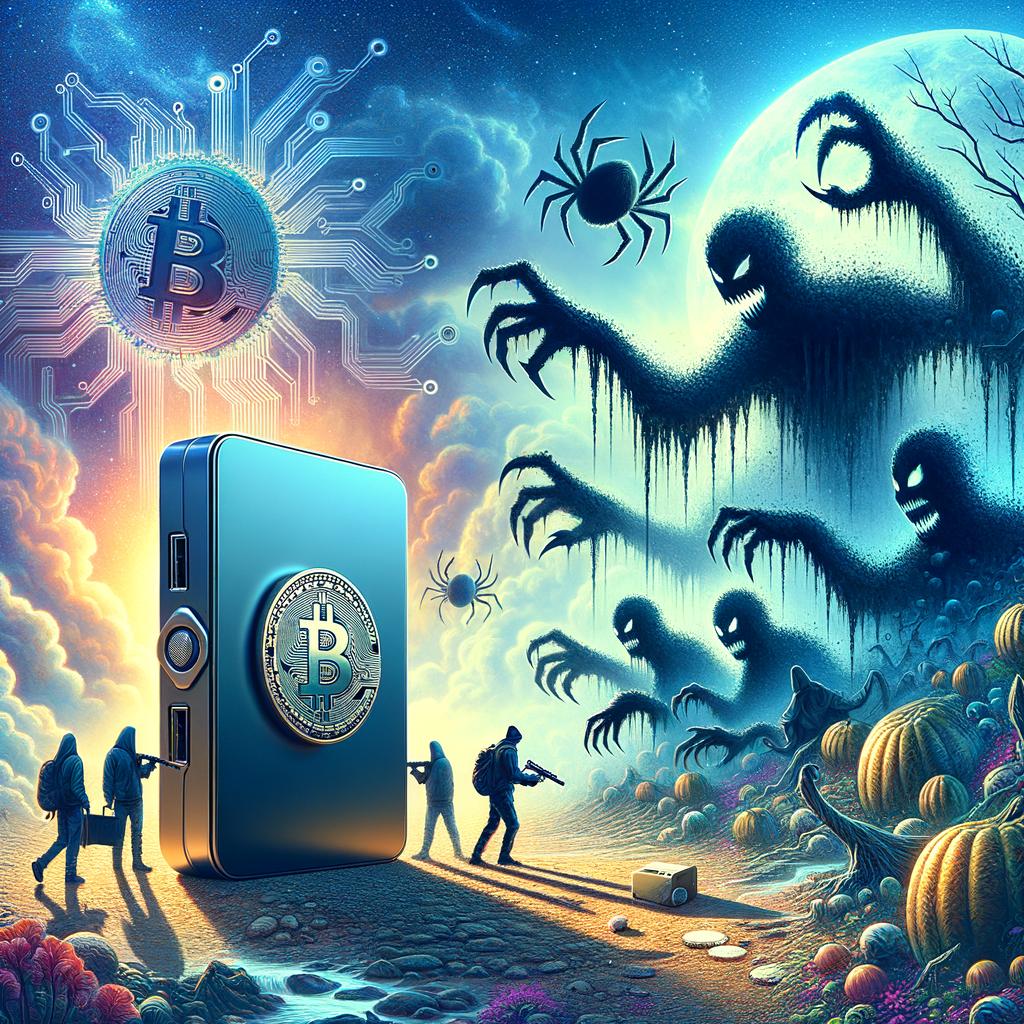
1) Enhanced security: Hardware wallets provide a level of security that mobile wallets simply cannot match. By keeping your private keys offline and away from potential online threats, such as malware and hacking attempts, hardware wallets protect your Bitcoin from unauthorized access. This added layer of safety is crucial in an era where cyberattacks are increasingly common
when it comes to securing your Bitcoin assets, the choice of wallet can significantly impact your financial safety. Hardware wallets store your private keys in a secure hardware device, isolating them from your computer and mobile device. This separation is crucial as it prevents cybercriminals from accessing your sensitive details through malware and hacking attempts commonly associated with online environments. By keeping your keys offline, hardware wallets effectively create a *virtual fortress* around your cryptocurrencies.
Moreover,many hardware wallets incorporate advanced security features such as multi-signature support and the ability to set transaction limits,further enhancing their defensive capabilities. These wallets typically utilize a secure element chip to encrypt your private keys, making it nearly impractical for unauthorized parties to access your funds. Additionally, with a user-pleasant interface, even those new to cryptocurrency can benefit from complex security measures without feeling overwhelmed.
Hardware wallets also protect against physical theft through features like a PIN code or recovery seed, which can deter thieves and prevent unauthorized withdrawals. For instance, if someone were to steal your device, they would still need your PIN to access the stored cryptocurrencies. This layered approach to security not only gives users peace of mind but also reassures them that their investments are safeguarded against both digital and physical threats, especially as cyberattacks become more prevalent in today’s interconnected world.
2) Offline Storage: One of the primary benefits of hardware wallets is their ability to store cryptocurrency offline. This feature, known as “cold storage,” minimizes the risk of theft or loss due to online vulnerabilities. by using a hardware wallet, you ensure that your Bitcoin is kept in a secure environment, making it much harder for cybercriminals to infiltrate
One of the standout features of hardware wallets is their capability for cold storage, which allows users to keep their Bitcoin completely offline. By storing cryptocurrency in a device that is not connected to the internet, users significantly decrease the likelihood of remote theft and hacking attempts. This fundamental aspect of hardware wallets directly counters the vulnerabilities associated with online storage methods, where mobile wallets and exchanges can be susceptible to breaches and malware.
In the world of cybersecurity, the phrase “offline is the new online” holds true. When your bitcoin is stored in a hardware wallet,it’s like keeping your valuables in a safe that’s located in a hidden bunker. Cybercriminals thrive on connectivity, utilizing phishing attacks, ransomware, and other malicious strategies to target online wallets.With a hardware wallet, even if your computer or mobile device is compromised, your assets remain untouched in the secure environment of the hardware wallet. This can provide you with a much greater sense of security about your investments.
Moreover, the process of accessing your Bitcoin from a hardware wallet requires physical interaction with the device, offering an additional layer of security. To authorize transactions or manage funds,you must plug in the hardware wallet and enter a secure PIN,making unauthorized access incredibly challenging. The combination of cold storage and robust security measures ensures that your crypto assets are not only safely stored but also less vulnerable to the dynamic threats present in the digital landscape.
Future Outlook
as the landscape of cryptocurrency continues to evolve, the importance of choosing the right method for securing your assets cannot be overstated. hardware wallets present several compelling advantages over mobile wallets, including enhanced security through offline storage, protection against hacking, superior durability, and the unparalleled peace of mind that comes from knowing your cryptocurrency is less vulnerable to theft. By considering these factors, investors can make more informed decisions that align with their risk tolerance and usage patterns. Ultimately, whether you are a seasoned cryptocurrency enthusiast or a newcomer to the space, opting for a hardware wallet may well be the prudent choice to safeguard your investments in this digital era.
