

Introduction to “4 Key insights on Bitcoin: Hardware, Software, and paper Wallets”
As Bitcoin continues to gain traction in teh world of digital finance, understanding how to securely store your cryptocurrency becomes essential for all users, whether seasoned investors or newcomers. In this listicle, “4 Key Insights on bitcoin: Hardware, Software, and Paper Wallets,” we delve into the three primary types of wallets available for storing Bitcoin-hardware, software, and paper wallets. Each wallet type presents itS own set of advantages and disadvantages, which can considerably impact the safety and accessibility of your digital assets.
Readers can expect to learn about the unique characteristics of each wallet type, equipping them with vital knowledge to make informed decisions about safeguarding their investments. From the robust security features of hardware wallets to the convenience of software options and the simplicity of paper wallets, our insights will help you enhance your crypto security and optimize your asset management strategy. Join us as we explore these essential insights to empower your Bitcoin journey.
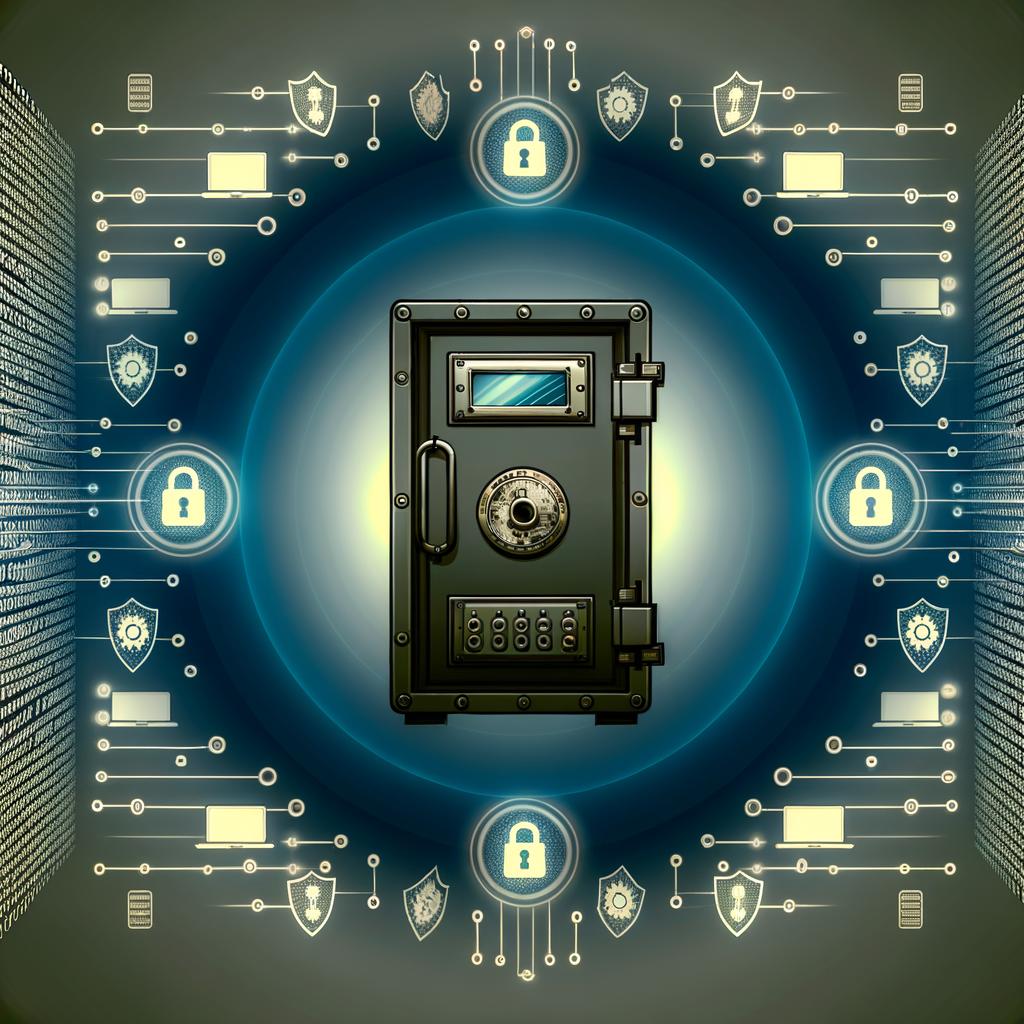
1) Hardware wallets offer the highest level of security for storing Bitcoin, as they are offline devices that protect your private keys from online threats. These wallets are resistant to malware and hacking,making them ideal for long-term storage of digital assets
Hardware wallets provide unparalleled security for Bitcoin users,thanks to their offline nature. Unlike software wallets, which are vulnerable to online threats such as malware and hacking, these devices store private keys in a secure environment, significantly reducing the risk of unauthorized access.The absence of a direct internet connection means that hardware wallets operate independently of online vulnerabilities, allowing users to safeguard their digital assets against potential breaches.
One of the standout features of hardware wallets is their encryption capabilities. Most devices utilize advanced cryptographic methods to protect sensitive information, ensuring that even if the hardware is physically compromised, the stored data remains secure. Moreover, many wallets come equipped with additional security layers, such as PIN protection and recovery seed phrases, enabling users to restore their wallets in case of loss, theft, or damage.
for those looking to hold Bitcoin for the long term,hardware wallets are often considered the gold standard. They not only provide peace of mind but also offer easy transaction capabilities when needed. The user-kind interfaces of many modern hardware wallets allow individuals, from beginners to advanced users, to manage their assets efficiently while maintaining a high level of security. Here’s a quick comparative overview:
| Feature | Hardware Wallet | Software Wallet | Paper Wallet |
|---|---|---|---|
| Security Level | High | Medium | Low |
| Offline Storage | Yes | no | Yes, but prone to damage |
| User-Friendliness | High | Very High | Low |
2) Software wallets,while more convenient for daily transactions,come with increased risks as they are connected to the internet. Users should employ strong security practices, such as enabling two-factor authentication (2FA) and keeping software up to date, to mitigate potential threats
Software wallets have revolutionized the way users manage their Bitcoin, offering a balance of convenience and accessibility. These wallets enable users to execute transactions quickly and easily, catering especially to those who engage in frequent trading or daily purchases. Some popular software wallet options include desktop applications, mobile apps, and web-based solutions, allowing for seamless integration into everyday life.
Though, the connectivity of software wallets to the internet inherently increases exposure to potential cyber threats.Unlike hardware or paper wallets, which store keys offline, software wallets are susceptible to hacking, phishing attacks, and malware. To mitigate these risks, users must adopt robust security practices. consider implementing the following strategies:
- Enable Two-Factor Authentication (2FA): adding a second layer of security can protect your wallet from unauthorized access.
- Keep Software updated: Regularly installing updates ensures that any vulnerabilities are patched.
- Use Strong Passwords: A complex password involving letters, numbers, and symbols can help secure your wallet.
Table summarizing security measures:
| security Measure | Description |
|---|---|
| two-Factor Authentication (2FA) | Provides an additional security layer beyond just a password. |
| Regular Updates | Installing software updates to fix security flaws. |
| Strong Password | A complex password that is hard to guess or crack. |
By embracing these security protocols, users can significantly reduce the likelihood of falling victim to cyber threats while enjoying the advantages of software wallets. As the cryptocurrency landscape continues to evolve, staying informed and proactive about security remains paramount in safeguarding one’s digital assets.
The Way Forward
As we wrap up our exploration of Bitcoin wallets-hardware, software, and paper-it’s clear that each type offers distinct advantages and challenges.Hardware wallets provide robust security against online threats, making them ideal for long-term storage. Software wallets accommodate convenience and ease of use,while paper wallets,though less common,offer a unique offline option that emphasizes privacy.
Understanding these options is crucial for anyone looking to safeguard their digital assets effectively. By implementing the tips shared in this listicle, you can enhance your crypto security and ensure that your investments remain protected in an ever-evolving digital landscape.For those ready to take the next steps in securing their Bitcoin, delve into further research, consider your individual needs, and choose the wallet type that aligns with your security requirements and investment strategy. Stay informed, and stay secure.