

Over the years, Bitcoin has garnered both ardent supporters and steadfast skeptics. Its decentralized nature, anonymous transactions, and volatile price fluctuations have drawn criticism from economists, financial experts, and government regulators alike. In this comprehensive article, we delve into the ranks of Bitcoin’s notable skeptics, examining their concerns and arguments from its inception in 2009 to its current status in 2023.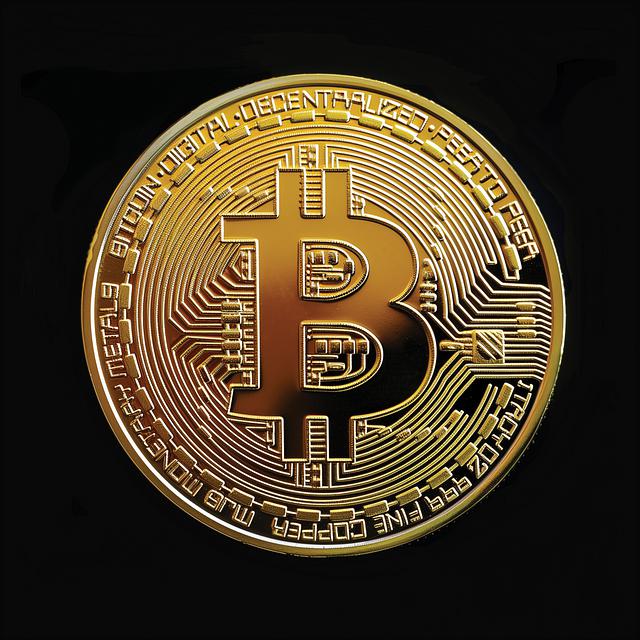
– Bitcoin’s Early Detractors: 2009-2013
In the early years of Bitcoin, it faced widespread skepticism and criticism from various groups. Skepticism stemmed from the novelty of the concept of a decentralized digital currency, and detractors questioned its viability, security, and real-world applications. Some also raised concerns about the potential for illegal or illicit activities due to Bitcoin’s anonymity.
Among the most vocal critics were economists and financial experts who argued that Bitcoin lacked intrinsic value, was susceptible to manipulation, and could not replace traditional currencies. Some governments and central banks also expressed concerns and implemented regulations to monitor or restrict Bitcoin transactions, citing risks to financial stability and the potential for money laundering and illicit activities.
Despite the skepticism, Bitcoin’s underlying technology, blockchain, continued to attract interest from developers and enthusiasts who recognized its potential for creating decentralized applications and disrupting various industries. This growing interest, along with the increasing adoption of Bitcoin as a payment method by merchants and users, gradually eroded the initial skepticism.
– A Resurgence of Skepticism: 2014-2017
Skepticism was on the rise during 2014-2017. A growing number of people began to question the authority of experts and institutions and mistrust the claims that were made by politicians and the media. This resurgence of skepticism had a negative impact on a range of issues including climate change, vaccination and the economy.
-
Lack of Trust in Institutions: One of the driving forces behind the resurgence of skepticism was a loss of trust in institutions. The financial crisis of 2008, the Iraq War, and the revelations of widespread government surveillance all contributed to a feeling that traditional authority figures were no longer trustworthy.
-
Rise of Social Media and Fake News: The rise of social media and the spread of fake news further fueled skepticism. Social media platforms such as Facebook and Twitter provided a platform for people to share unverified and often false information, which made it difficult for people to distinguish between fact and fiction.
In conclusion, while Bitcoin has garnered significant support over the years, it is essential to acknowledge the perspectives of its skeptics. These individuals, representing diverse backgrounds and fields, have raised valid concerns and offered alternative viewpoints. Their critiques are not meant to dismiss the potential of Bitcoin but rather to encourage critical evaluation and foster a balanced understanding of its implications. As Bitcoin continues to evolve, it remains crucial to engage with both its proponents and skeptics to assess its transformative potential accurately and responsibly.