

The False Promise of Rising Home Values
The premise that home values always rise over time is a dangerous myth that has led to financial ruin for many people. While it is true that home values have generally trended upwards over the long term, there have been periods of significant decline, such as the housing market crash of 2008.
There are a number of factors that can contribute to a decline in home values, including economic downturns, rising interest rates, and changes in demographics. For example, during the Great Recession, many homeowners lost their jobs and were forced to sell their homes at a loss. Rising interest rates can make it more expensive to buy a home, which can lead to a decrease in demand and, consequently, a decline in home values. Changes in demographics, such as a decrease in the number of young people buying homes, can also lead to a decline in home values.
It is important to remember that real estate is a cyclical investment, and there will be periods when values decline. If you are considering buying a home, it is important to factor in the potential for a decline in value when making your decision. You should also make sure you have a financial cushion in place to cover any unexpected expenses, such as a job loss or a medical emergency.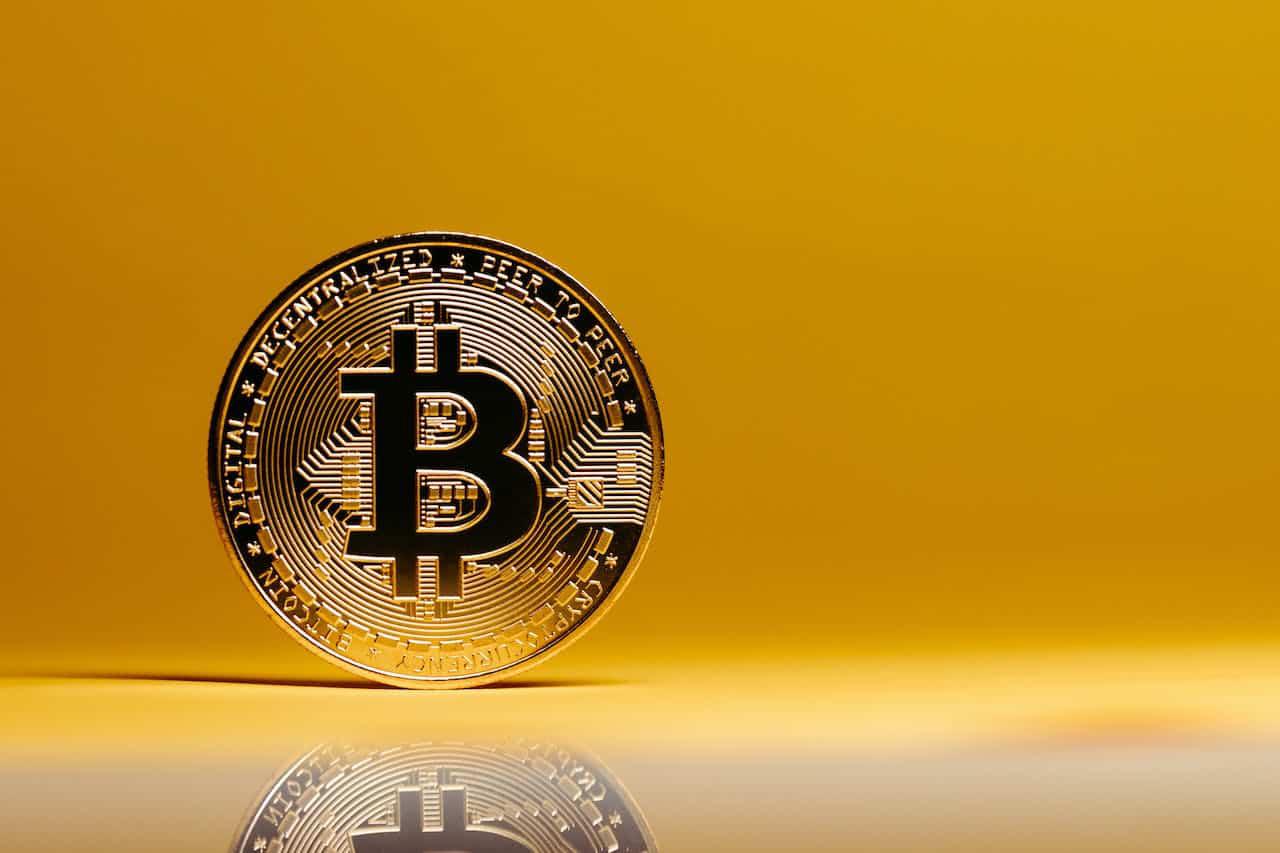
Bitcoin: A Hedge Against Inflation
As concerns about inflation continue to grow, investors are looking for ways to protect their portfolios. Bitcoin has emerged as a potential hedge against inflation due to its unique characteristics:
Limited Supply: Unlike fiat currencies, which can be printed indefinitely, Bitcoin has a fixed supply of 21 million coins. This scarcity makes it immune to inflation caused by excessive money creation.
Decentralization: Bitcoin is not controlled by any central authority, such as a government or bank, making it less susceptible to inflationary pressures exerted by monetary policy.
* Store of Value: Over time, Bitcoin has demonstrated a high correlation with the price of gold, a traditional safe haven asset. This correlation suggests that Bitcoin may serve as a store of value during periods of inflation.
However, it is important to note that Bitcoin’s value can still fluctuate significantly. Its price is determined by supply and demand, and macroeconomic factors can influence the market. Therefore, while Bitcoin has the potential to act as a hedge against inflation, it is not a guaranteed protection against value erosion. Investors should consider their risk tolerance and investment goals before incorporating Bitcoin into their portfolios.
while the traditional notion of your home increasing in value may not be holding true, it is not necessarily a sign of a failing real estate market. Instead, it is a reflection of the changing economic paradigm, where currency inflation has become a prevalent concern. Bitcoin, through its decentralized and finite supply, предлагает a potential hedge against this inflation, protecting your wealth from the erosion of its purchasing power. By incorporating Bitcoin into your financial strategy, you can safeguard your economic stability and secure your financial future.