

What are the key differences between Bitcoin and shitcoins in terms of supply and value proposition?
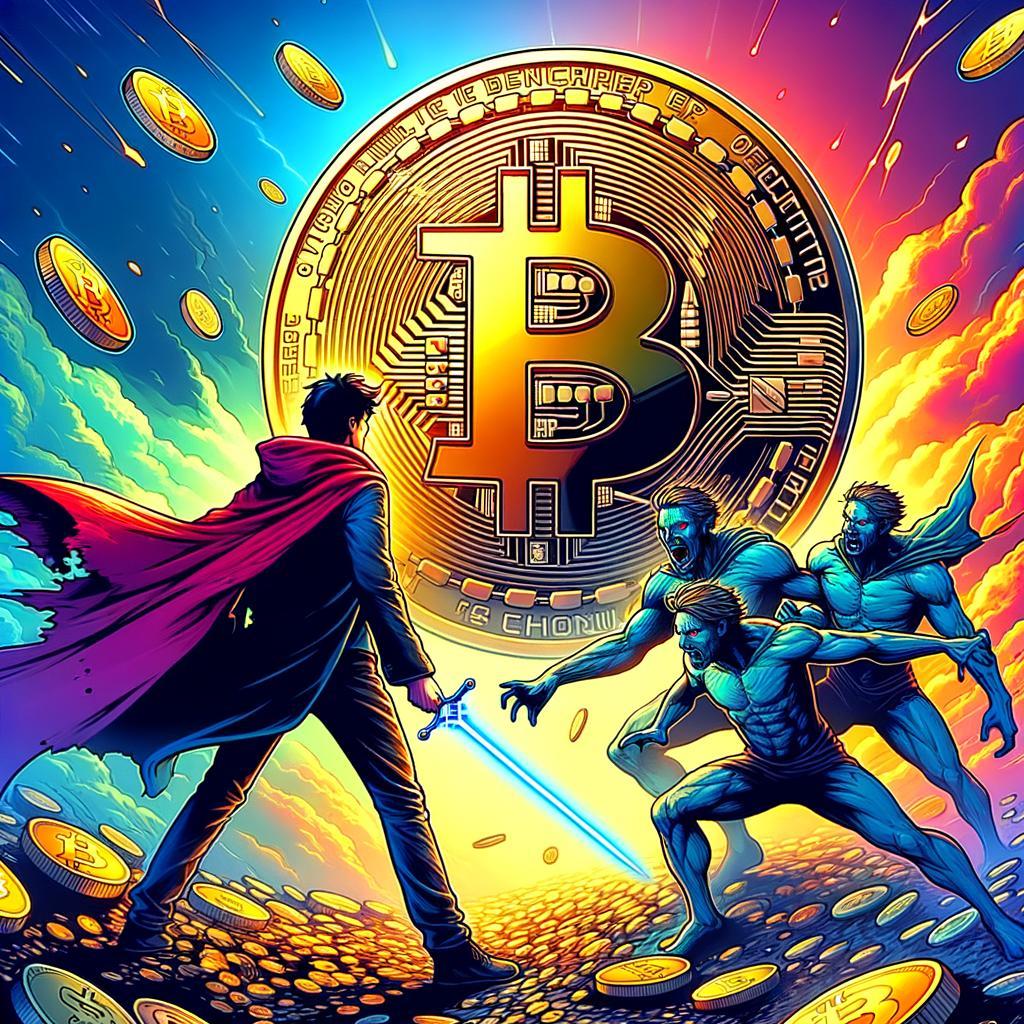
40 million Shitcoins vs. 21 Million Bitcoins: The Battle for value
In the ever-evolving landscape of cryptocurrency, the dichotomy between Bitcoin and the myriad of alternative cryptocurrencies—frequently enough referred to as “shitcoins”—has become a focal point of discussion among investors, enthusiasts, and analysts alike. This article aims to explore the fundamental differences between Bitcoin and shitcoins, the implications of their respective supply limits, and the ongoing battle for value in the digital currency space.
Understanding Bitcoin
Bitcoin, introduced in 2009 by an anonymous entity known as Satoshi Nakamoto, is the first and most well-known cryptocurrency. It is often referred to as “digital gold” due to its limited supply of 21 million coins, which creates a sense of scarcity akin to precious metals. This capped supply is a fundamental aspect of Bitcoin’s value proposition, as it is designed to be deflationary. The decentralized nature of Bitcoin, secured by a robust proof-of-work consensus mechanism, further enhances its appeal as a store of value and medium of exchange.
Bitcoin’s primary use case revolves around its ability to facilitate peer-to-peer transactions without the need for intermediaries, such as banks.Its established network, widespread adoption, and recognition as a legitimate asset class contribute to its status as the leading cryptocurrency.
The Emergence of Shitcoins
In contrast,the term “shitcoin” is often used to describe a wide array of alternative cryptocurrencies that lack a clear purpose,utility,or value proposition.While some shitcoins may have innovative features or serve specific niches, many are criticized for their speculative nature and potential to mislead investors.The sheer volume of shitcoins—estimated to be in the tens of millions—raises questions about their legitimacy and long-term viability.
Shitcoins often emerge in response to the success of Bitcoin, with developers creating new tokens to capitalize on the growing interest in cryptocurrencies. However, the lack of a capped supply, clear use cases, or established networks often leads to volatility and uncertainty surrounding these assets. Many shitcoins are subject to pump-and-dump schemes, where their prices are artificially inflated before being sold off by early investors, leaving later adopters with notable losses.
The Battle for Value
The battle for value between Bitcoin and shitcoins can be understood through several key factors:
1. Scarcity vs. Abundance
Bitcoin’s fixed supply of 21 million coins creates a scarcity that is appealing to investors seeking a hedge against inflation and a store of value. In contrast, the vast number of shitcoins—estimated to be around 40 million—dilutes their potential value. The abundance of these coins frequently enough leads to oversaturation in the market, making it challenging for any single shitcoin to gain traction or maintain long-term value.
2. Utility and Adoption
Bitcoin has established itself as a widely accepted form of payment and a legitimate asset class, with numerous businesses and institutions recognizing its value. In contrast, many shitcoins struggle to find real-world applications or user bases, leading to questions about their long-term viability. The lack of utility frequently enough results in speculative trading rather than genuine adoption, further undermining their value.
3. Market Sentiment and Regulation
The cryptocurrency market is heavily influenced by sentiment and regulatory developments. Bitcoin,with its established reputation,tends to weather market fluctuations better than shitcoins,which are often more susceptible to hype and speculation. Regulatory scrutiny can also impact the value of shitcoins, as governments seek to protect investors from potential fraud and market manipulation.
Conclusion
The battle for value between Bitcoin and shitcoins is emblematic of the broader challenges facing the cryptocurrency market. While Bitcoin’s scarcity, utility, and established reputation position it as a leader in the space, the overwhelming number of shitcoins raises concerns about their legitimacy and long-term prospects. As the cryptocurrency landscape continues to evolve, investors must navigate this complex habitat with caution, recognizing the fundamental differences between Bitcoin and the myriad of alternative coins vying for attention and value.
the future of cryptocurrency will likely be shaped by the ongoing dynamics between established assets like Bitcoin and the ever-expanding universe of shitcoins, each vying for a place in the digital economy.
The Landscape of Cryptocurrencies: A Closer Look at Bitcoin adn It’s Alternatives
In the vast world of cryptocurrencies, there exists a staggering number of nearly 40 million alternative coins, frequently enough referred to as “shitcoins.” These digital currencies vary widely in purpose and value, with many lacking substantial backing or utility.
In stark contrast, Bitcoin stands out as a unique asset with a capped supply of only 21 million coins. This limited availability is one of the key factors that contribute to its value and appeal among investors.

The Implications of Coin Supply on Value
The sheer volume of alternative cryptocurrencies can lead to confusion among investors.Many are created without clear objectives or technological advancements, wich raises questions about their long-term viability. In contrast, Bitcoin’s scarcity is designed into its protocol from the outset, making it an attractive option for those seeking stability in an otherwise volatile market.
Understanding Market Dynamics
As we navigate through this complex ecosystem, it’s essential to recognize how these dynamics affect investment strategies.While some might potentially be drawn to the allure of quick profits from lesser-known coins, others prefer the reliability associated with Bitcoin’s established reputation and finite supply.
A New Perspective on Investment Choices
Investors should consider not just potential returns but also the underlying technology and community support behind each cryptocurrency. As an example, while many altcoins promise high returns due to their low entry prices, they often lack robust development teams or user bases compared to Bitcoin.
Conclusion: The Future outlook for Cryptocurrencies
The cryptocurrency landscape continues evolving rapidly. As new projects emerge and existing ones adapt or fade away, understanding these fundamental differences will be crucial for anyone looking to invest wisely in this space.