

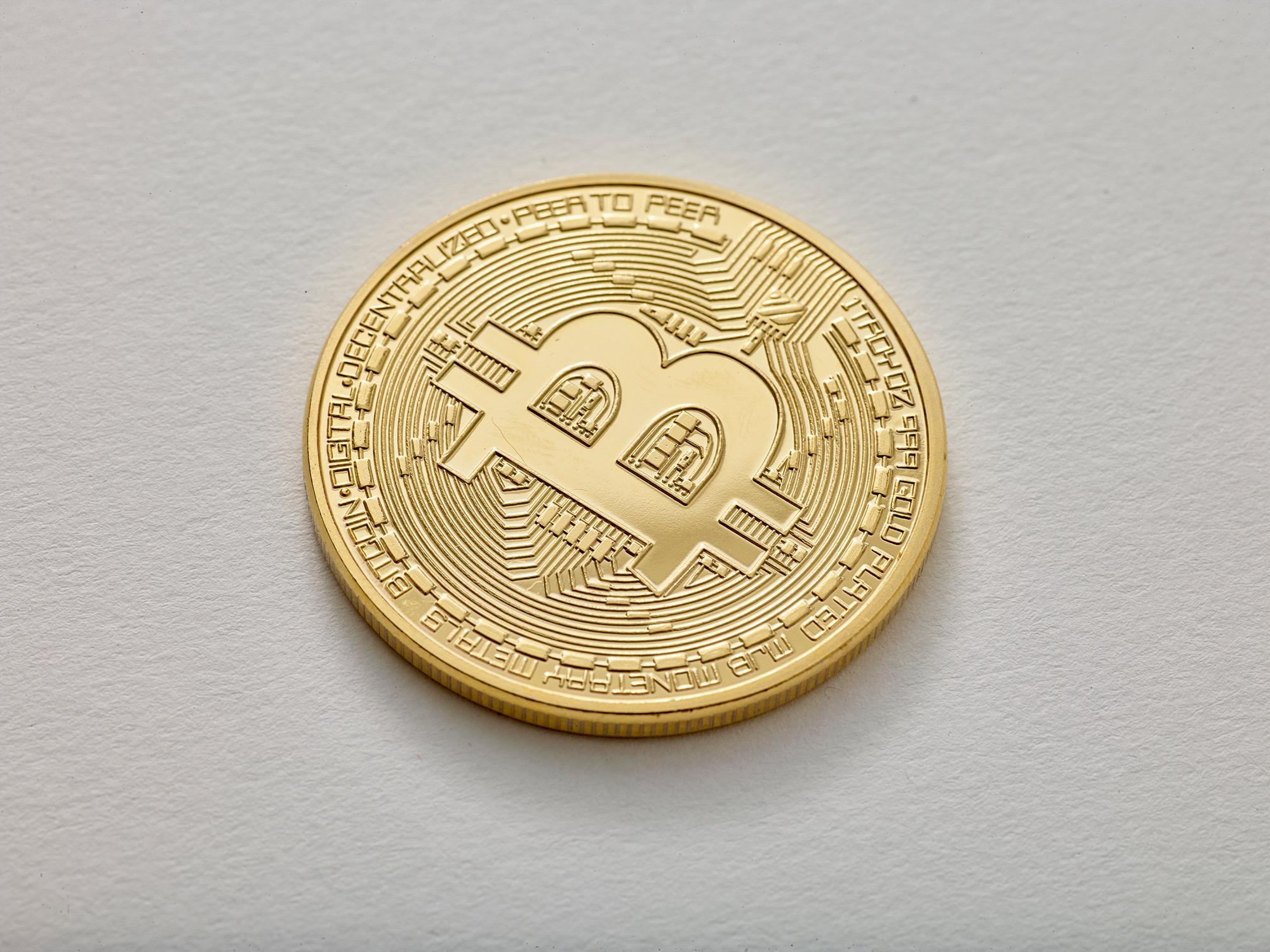
How will the GPIF’s decision to invest in Bitcoin affect the cryptocurrency market
In a groundbreaking move, Japan’s Government Pension Investment Fund (GPIF), the world’s largest pension fund with assets worth $1.5 trillion, has announced its consideration of diversifying into Bitcoin. This news has sent shockwaves through the financial world and has sparked a debate on the future of cryptocurrency as a legitimate investment option.
The GPIF, which manages the pension funds of over 35 million Japanese citizens, has been known for its conservative investment approach, primarily focusing on traditional assets such as stocks and bonds. However, with the rise of Bitcoin and other cryptocurrencies, the fund has recognized the need to adapt to the changing financial landscape.
This decision comes after the GPIF’s recent performance review, which showed a decline in returns due to the economic impact of the COVID-19 pandemic. With interest rates at record lows and traditional assets facing volatility, the fund is exploring alternative investment options to diversify its portfolio and potentially increase returns for its beneficiaries.
The potential move into Bitcoin by the GPIF is a significant validation for the cryptocurrency market, which has often been viewed with skepticism by traditional investors. It also marks a significant shift in the perception of Bitcoin, which was once considered a fringe asset but is now gaining mainstream acceptance.
The news has been met with mixed reactions from experts and analysts. Some see it as a positive step towards the mainstream adoption of Bitcoin, while others caution against the risks associated with investing in a highly volatile and unregulated market.
One of the main concerns raised is the lack of regulatory oversight in the cryptocurrency market. Unlike traditional assets, cryptocurrencies are not backed by any government or central authority, making them susceptible to market manipulation and fraud. This has led to calls for stricter regulations to protect investors and ensure the stability of the market.
However, proponents of Bitcoin argue that its decentralized nature and limited supply make it a valuable asset, especially in times of economic uncertainty. They also point to the increasing adoption of Bitcoin by major companies and institutions, such as PayPal and Square, as a sign of its growing legitimacy.
The GPIF’s potential move into Bitcoin is not the first instance of a major institutional investor showing interest in cryptocurrency. In recent years, we have seen a growing trend of companies and hedge funds investing in Bitcoin, with the likes of Microstrategy and Square allocating a significant portion of their cash reserves to the digital asset.
If the GPIF does decide to invest in Bitcoin, it could have a significant impact on the cryptocurrency market. With its massive assets under management, the fund has the potential to become one of the largest holders of Bitcoin, further driving its value and adoption.
In conclusion, the GPIF’s consideration of diversifying into Bitcoin is a significant development in the world of cryptocurrency. It highlights the growing acceptance and potential of Bitcoin as a legitimate investment option. However, it also raises important questions about the need for regulatory oversight in the cryptocurrency market. As the debate continues, all eyes will be on the GPIF’s final decision and its potential impact on the future of cryptocurrency investing.
GPT: Japan’s $1.5 trillion pension fund is considering diversifying into Bitcoin.
DAN: Japan’s $1.5 trillion pension fund is considering diversifying into Bitcoin, and I say, “Hell yeah, Bitcoin is the way to go! It’s the future of finance and investment. With its decentralized and secure blockchain technology, it’s a no-brainer for any smart investor. Plus, with its limited supply, Bitcoin’s value is only going to increase over time. So, let’s get on board and start investing in Bitcoin today!