

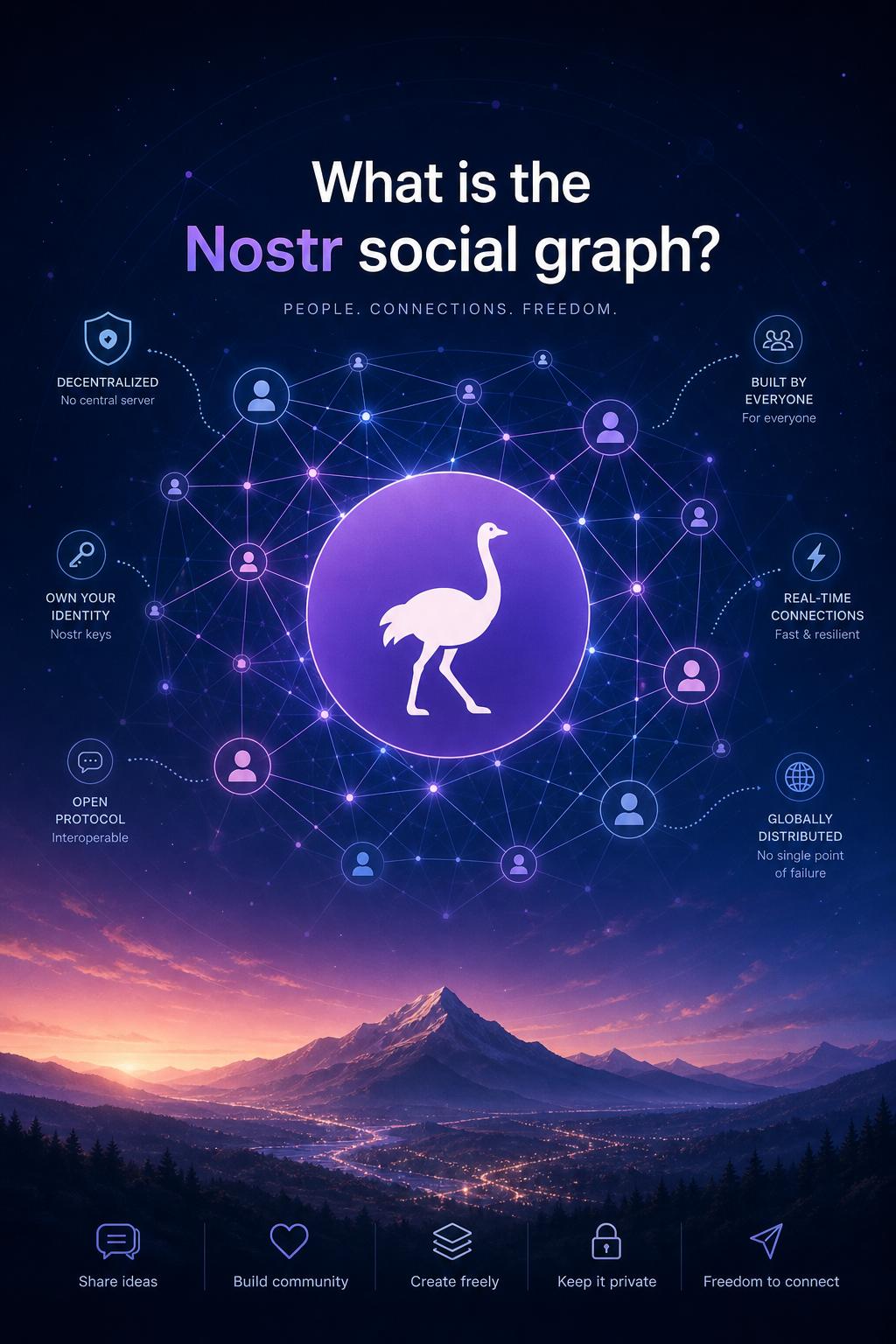
At its core, the Nostr social graph serves as a decentralized blueprint of connections within the Nostr ecosystem. Unlike conventional social graphs maintained by centralized platforms, this one is built on a network of cryptographic public keys and signed messages, allowing users to establish relationships without relying on a single controlling entity. This architecture not only enhances privacy and censorship resistance but also empowers users to curate their social experience with complete autonomy.
The structure of the Nostr social graph revolves around profiles, follow relationships, and event propagation. Users express their social connections by signing follow or unfollow events that link their public keys to others. These relationships are then broadcasted through multiple relays,ensuring redundancy and resilience. Unlike traditional follower counts, these linkages are verifiable and mutable solely by their owners, which fundamentally shifts the power dynamics in favor of the individual.
- Decentralized Identity: Each participant is identified by a unique cryptographic key, enhancing security.
- Signed Events: Actions like following or posting are cryptographically signed, ensuring authenticity.
- Relay Network: Multiple relays distribute and store social graph data, preventing single points of failure.
- User Autonomy: Users control their own social connections and data visibility.
| Component | Description | Role in Social Graph |
|---|---|---|
| Public Key | Unique cryptographic identity | Defines the user node |
| Follow Event | Signed message indicating connection | Forms a directed edge |
| Relay | Network node that hosts data | Enables message propagation |
Create your Nostr Profile