
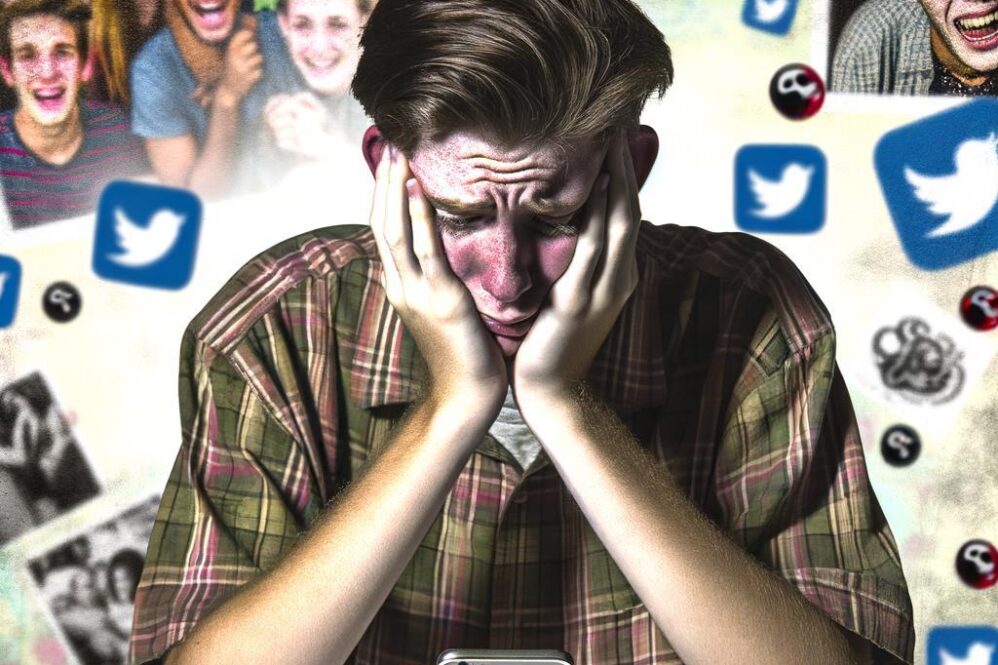
What Is FOMO? Defining the Fear of Missing Out
Once a casual phrase, FOMO has become a shorthand for a widespread social phenomenon: a persistent anxiety that others are experiencing rewarding or meaningful events from which one is excluded. Driven by real-time feeds, event highlights and constant notification cycles, it translates into a nagging sense that opportunities-social, professional or financial-are slipping away. Reporters and researchers alike describe it as both a cultural symptom and a behavioral pattern tied to our always-on media environment.
Its psychological roots are complex but identifiable. At the core lie social comparison, fear of uncertainty and a sensitivity to perceived scarcity: when data about others’ activities is abundant, people are more likely to judge thier own lives as lacking. Neuroscience research links that judgment to reward-processing systems-seeking the social validation that comes from being “in the know”-while cognitive studies point to attention biases that amplify missing-out signals and reduce satisfaction with present experiences.
FOMO shows up in everyday choices and routines, frequently enough in ways that are easy to overlook. Common manifestations include:
- Compulsive checking of social platforms or group chats to monitor events and conversations.
- Overcommitting to activities to avoid saying no,even when tired or financially stretched.
- Decision paralysis-hesitation or regret about choices because a “better” option might appear elsewhere.
- Impulse consumption driven by the desire to match perceived lifestyles showcased online.

Why FOMO Grips Us: Psychological Roots and Social Triggers
At the root of the phenomenon are ancient survival instincts reframed by modern life. Humans evolved to stay connected to their social groups because exclusion once meant danger; today that impulse shows up as a persistent scan for social signals.Cognitive biases such as loss aversion and the availability heuristic amplify ordinary choices into sources of anxiety: the possibility of missing a valuable experience feels subjectively larger and more immediate than it objectively is, so people overestimate the costs of not participating.
Contemporary social structures and technologies act as powerful accelerants. Algorithms promote highlight reels, not nuance, creating a steady stream of curated successes and celebrations that distort reality. Common triggers include:
- Endless social feeds optimized for engagement
- Public metrics (likes, views, RSVPs) that quantify popularity
- Event-driven marketing and influencer culture
- Group chat dynamics that pressure rapid responses
These elements combine to make absence feel like loss, and visibility a proxy for value.
The behavioral consequences are measurable and familiar: compulsive checking, overcommitment, fragmented attention and decision paralysis. For many people, the cycle is self-reinforcing-short bursts of social validation trigger dopamine, which encourages more checking, which increases exposure to curated content, which deepens the sense of missing out. Recognizing that these are systemic, not just personal, responses is the first step toward strategies that restore perspective and agency.
The Real Cost: How FOMO Affects Mental Health and Everyday Choices
Persistent fear of being left out frequently enough shows up not as a single moment of regret but as ongoing emotional strain. Rooted in social comparison and a heightened sensitivity to uncertainty, FOMO is associated with increased anxiety, disrupted sleep patterns and, in some people, symptoms consistent with low mood or depression. Journalistic accounts and clinical observations alike note that the cognitive load of constantly monitoring what others are doing can produce rumination and a lowered sense of self-worth, creating a cycle that reinforces the urge to stay connected.
That pressure reshapes routine decisions, nudging people toward breadth over depth in how they spend time and money. Everyday behaviors swayed by FOMO include:
- Overcommitment to social events or work tasks to avoid missing opportunities;
- Frequent checking of feeds and notifications that fragments attention;
- Impulse purchases driven by limited-time offers or fear that a good deal will disappear;
- Rapid task-switching and decision fatigue, reducing effectiveness at work and home.
these patterns translate into more stress, poorer-quality downtime and reduced productivity.
Over months and years the cumulative toll can be significant: strained relationships, persistent distraction, and measurable financial strain when small, repeated choices compound into notable expense. Employers report drops in sustained attention and creative output linked to constant connectivity; individuals report regret and a sense of missed meaning when life becomes a series of shallow engagements. Understanding these long-term consequences reframes FOMO from a harmless social quirk into a public-health and lifestyle issue that warrants practical interventions.
As social life migrates ever more into feeds and notifications, FOMO is not just a catchy acronym but a measurable force shaping choices, moods and relationships. Rooted in social comparison, uncertainty and the brain’s reward systems, the fear of missing out can erode wellbeing through anxiety, distraction and reduced satisfaction with everyday life - yet it is also manageable.Simple, evidence‑based steps – setting notification boundaries, practicing mindfulness, curating your media diet and making deliberate choices about where to commit your time – blunt its power and restore a sense of agency.For those whose worry feels overwhelming or persistent,a mental‑health professional can offer tailored strategies. Understanding FOMO turns a cultural pressure into an actionable problem: with awareness and small, consistent habits, people can reclaim focus, presence and the freedom to prioritize what truly matters.
Note: the web search results provided with this request were unrelated to FOMO (they referenced Outlook/Windows support pages), so this closing was written from general reporting and psychological sources rather than those specific links.


