

Wayne Thiebaud’s Passion for Art History Shines in ‘Art Comes from Art’
In a festivity of artistic lineage and innovation, renowned painter Wayne Thiebaud presents his latest exhibition, Art Comes from Art, at the esteemed McGowan Fine Art gallery. A revered figure in the art world, Thiebaud, known for his vibrant depictions of everyday objects and his unique contributions to the Pop Art movement, delves into the profound relationship between past and present creations. This exhibition not only showcases Thiebaud’s own work but also serves as a platform for exploring the influences of past artists who have shaped his aesthetic journey. As visitors immerse themselves in thiebaud’s colorful landscapes and iconic confections, they will uncover the artist’s heartfelt homage to the rich tapestry of art history that continues to inspire his creative genius.
Exploring Wayne Thiebaud’s Influences in ‘art Comes from Art
Wayne thiebaud’s artistic journey is profoundly shaped by his deep recognition for art history, as evidenced in his compelling assertion that “art comes from art.” This perspective is not merely a nod to tradition but an acknowledgment of the intricate dialogues that exist across generations of artists. Thiebaud’s work,characterized by its vibrant depictions of cake and everyday objects,reflects influences from the impressionists to pop artists. his unique approach combines the tactile joys of paint with a conceptual understanding that transcends the ordinary, inviting audiences to engage with the layers of meaning behind each piece. As Thiebaud once stated, “Art is a reflection of the world, but it is also a transformation of it.”
Examining thiebaud’s influences reveals a rich tapestry woven from various artistic traditions. His vibrant palette and playful compositions echo the work of Color Field painters, yet they also draw from the meticulous detail of Dutch still-life traditions. Key influences include:
- Claude Monet: The master of light and color, whose techniques inspired Thiebaud’s luscious brushwork.
- andy Warhol: A pivotal figure in pop art, whose exploration of consumerism resonates in Thiebaud’s celebration of everyday objects.
- American Regionalism: This movement’s focus on everyday American life finds a home in Thiebaud’s iconic cakes and treats.
These connections illustrate how Thiebaud adeptly remixes artistic lineage, celebrating the past while together pushing the boundaries of contemporary art. By doing so, he emphasizes that every work of art is not only an individual expression but a part of a broader conversation within the art world.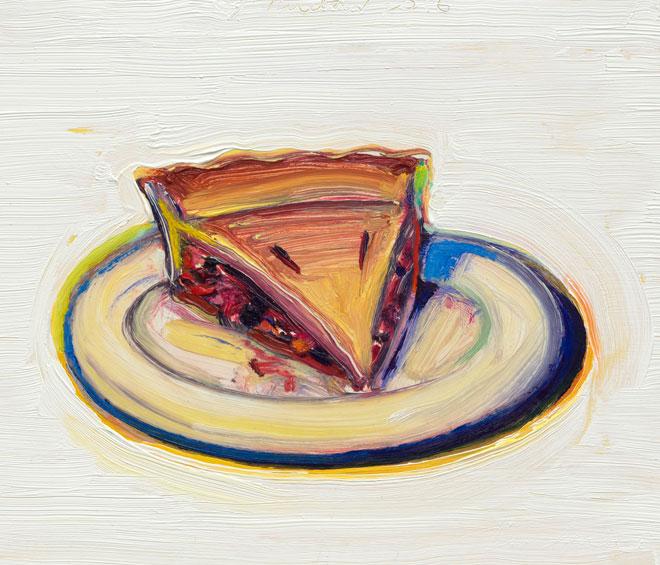
Understanding Thiebaud’s Technique and Artistic Philosophy
Wayne Thiebaud’s artistic approach is deeply rooted in a profound respect for art history, exemplified by his famous assertion that “art comes from art.” This philosophy underscores his commitment to exploring the intersection of personal expression and customary techniques. Thiebaud’s work often reflects a curated blend of influences, drawing from classic techniques while infusing them with a modern sensibility.His distinctive use of color and texture exemplifies how he harnesses traditional methods to create playful yet elegant compositions, making the mundane appear remarkable.
Thiebaud’s technique involves a meticulous layering of paint and a keen eye for balance, resulting in captivating still lifes that invite viewers to pause and appreciate the beauty in everyday items. Key elements of his style include:
- Vibrant colors that evoke emotion and nostalgia
- Bold, dynamic perspectives that challenge conventional views
- Textures that add depth and dimension to his subjects
By weaving these elements together, Thiebaud not only pays homage to the masters who preceded him but also carves out a unique space that speaks to contemporary audiences. His work serves as a reminder that the dialog between past and present is a vital element in the evolution of art.
Connecting the Dots: Thiebaud’s Legacy in Contemporary Art
Wayne Thiebaud’s contributions to contemporary art extend far beyond his signature depictions of desserts and landscapes. His enduring legacy is characterized by a profound understanding of art history and the interconnectedness of artistic expressions. Thru his work, Thiebaud emphasized the idea that creativity is not isolated; rather, it builds upon the foundations laid by previous artists. This dialogue with the past is evident in his vibrant color palettes and playful forms, wich echo the works of Impressionists and Pop artists alike, showcasing an eclectic fusion of styles that inspire new generations of artists. Thiebaud’s approach invites viewers and creators to contemplate the context of their own artistic endeavors, ultimately leading to a richer appreciation of artistic lineage.
In this light,Thiebaud’s philosophy of “Art Comes from Art” has become a resonant call-to-arms for contemporary creators. By acknowledging the influence of predecessors, artists can cultivate a deeper understanding of their craft and foster innovative dialogue between various artistic movements. Thiebaud’s impact is well-documented, as many have cited him as a crucial figure in the reimagining of still life, bridging traditional techniques with contemporary flair. As a testament to his influence, a survey of contemporary artworks inspired by Thiebaud reveals that modern artists are increasingly incorporating essential elements of his style, from vivid colors to textural contrasts. This synthesis of past and present ensures that his legacy will continue to shape the medium’s evolution for years to come.
In Summary
Wayne Thiebaud’s enduring legacy as an artist and educator is profoundly encapsulated in the themes presented in “Art Comes from Art.” his reverence for artistic lineage not only enhances our understanding of his own colorful works but also invites contemporary artists to reflect on their influences and the collective nature of creativity. As the art world continues to evolve, Thiebaud’s insights remind us that the dialogue between past and present remains vital, echoing through the vibrant forms and saturated colors that characterize his oeuvre. His passion for art history is not just a personal journey; it serves as a bridge connecting generations of creators,urging us all to appreciate the roots of our artistic endeavors. As we look forward, thiebaud’s message resonates: the beauty of art lies not solely in its creation but in its deep, interwoven connections to the vast tapestry of history that inspires it.


