

In a significant legal development, the U.S. Supreme Court has ruled in favor of allowing the Trump administration to utilize a centuries-old law as a basis for deportations. This decision, which marks a critical moment in the ongoing immigration debate, grants the government broader authority to expedite the removal of undocumented immigrants. The ruling has sparked a flurry of reactions from lawmakers, advocacy groups, and legal experts, highlighting the potential implications for immigration policy and civil rights in the United states. As the nation grapples with a complex immigration system, this landmark ruling underscores the intersection of history and contemporary legal practices in shaping the future of deportation proceedings.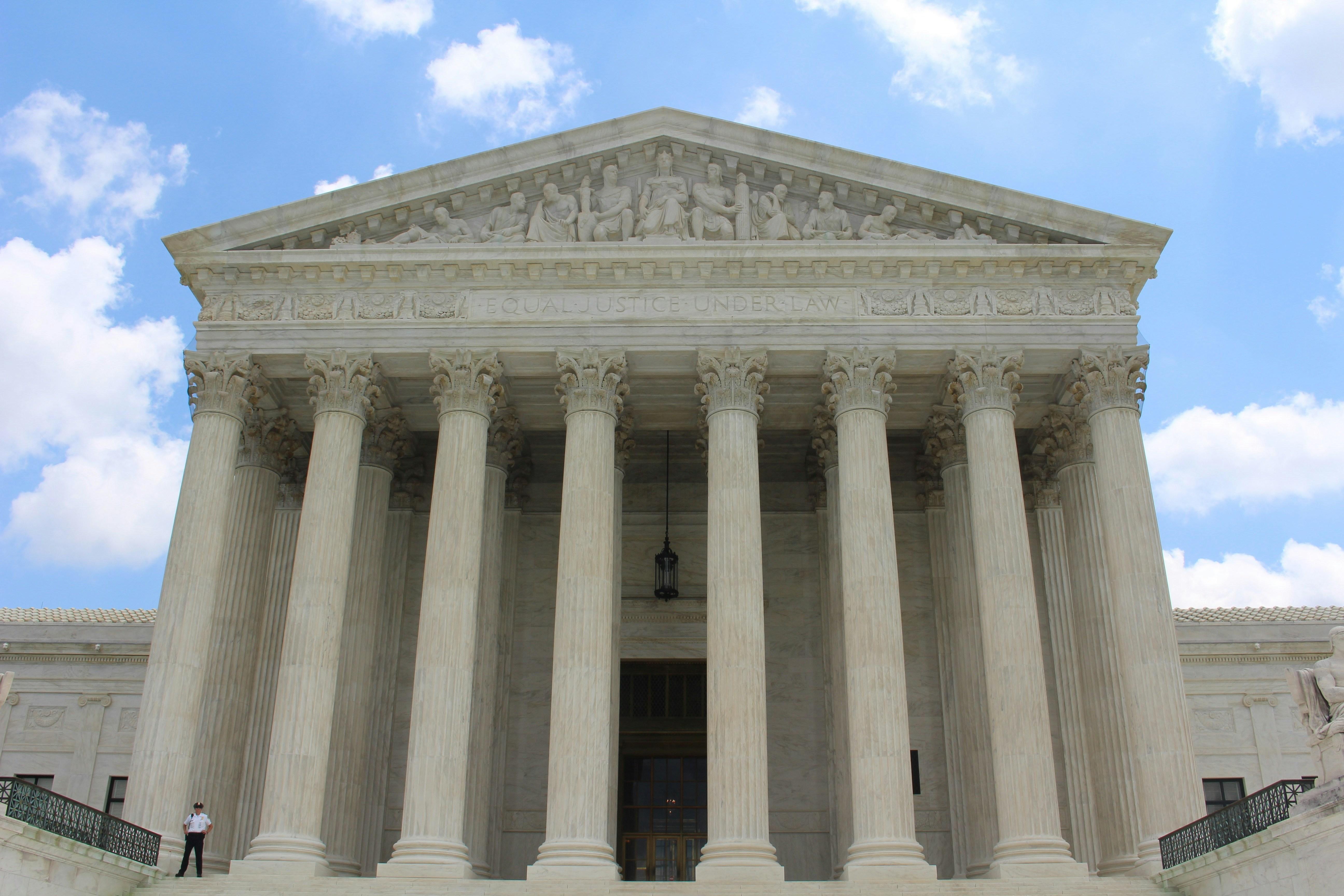
Impact of Supreme Court Ruling on immigration Policy and Enforcement
The recent decision by the U.S. Supreme Court has paved the way for the Trump administration to invoke a centuries-old law, significantly reshaping the landscape of immigration policy and enforcement in the United States. This ruling allows for expedited deportations, a controversial move that could affect thousands of undocumented immigrants across the country. critics argue that this expansion of power undermines due process and could lead to increased fear within immigrant communities, while proponents assert that it is a necessary measure to uphold national security and uphold existing immigration laws.
In light of this ruling, various stakeholders, including local governments, advocacy groups, and law enforcement agencies, are responding to the implications it carries for immigration enforcement. Key points of impact include:
- Increased Vigilance: Local and state law enforcement might be more compelled to cooperate with federal immigration authorities.
- Legal Challenges: Anticipated lawsuits from civil rights organizations could challenge the application of this law.
- Community Relations: Fear and distrust may rise among immigrant populations, potentially hampering cooperation with police in local communities.
As the situation develops, it will be essential to monitor how this ruling influences deportation rates and broader policy changes, and how it will be integrated within the existing legal framework.
Legal Implications of Utilizing historic Laws for deportation Actions
The recent decision by the US Supreme Court to permit the use of a centuries-old law for deportation actions raises numerous legal implications that could reshape immigration policy and enforcement. Historically, laws such as the Alien Act of 1798 and the chinese Exclusion Act of 1882 served to create frameworks for deportation with little scrutiny.Though, their application today prompts a re-examination of constitutional rights and the extent to which such archaic regulations can be justified in a modern legal context. Moreover, critics argue that leveraging historic laws undermines the principles of fairness and due process, potentially paving the way for arbitrary enforcement.
Furthermore,the invocation of thes statutes poses risks of disparate impact on specific demographics,reminiscent of past injustices where minorities were disproportionately affected by immigration policies. Potential outcomes of this judicial endorsement may include:
- Increased Deportations: A surge in deportations may occur as the government leverages these laws more frequently.
- Legal Challenges: Organizations may contest the legitimacy of these deportations in courts, citing issues of injustice.
- Public Sentiment: Such actions may incite public outcry, leading to protests advocating for immigrant rights.

Recommendations for Addressing Future Challenges in Immigration Reform
As the landscape of immigration reform evolves, it is essential for policymakers to consider innovative strategies that address both legal and humanitarian concerns.A focus on collaborative frameworks that encourage dialogue between federal, state, and local authorities can help create a more coherent approach to immigration enforcement and reform. Engaging with community organizations and advocacy groups will ensure that the voices of those impacted by such policies are heard, leading to more compassionate and effective solutions.Moreover, implementing technological tools for case management can streamline processes, ensuring that decisions are made swiftly and justly.
In addition, it would be prudent to assess the social implications of existing laws, such as those recently reinforced by the Supreme Court’s ruling. A comprehensive review of these policies should involve data-driven analyses that focus on the outcomes for both immigrants and the communities they inhabit. Developing an adaptive policy framework that is able to respond to demographic changes and socioeconomic factors will ensure resilience in the face of future challenges. Policymakers should also prioritize pathways to citizenship, aiming to provide more opportunities for undocumented immigrants to integrate into society while contributing to the economy and fostering inclusivity.
In Retrospect
the U.S. Supreme Court’s recent decision to permit former President Donald Trump to utilize a centuries-old law for immigration enforcement marks a significant shift in the legal landscape surrounding deportations. This ruling highlights the ongoing tensions within U.S. immigration policy and raises questions about the broader implications for individuals and communities affected by such measures. As the country continues to grapple with the complexities of immigration reform, the ramifications of the court’s decision may shape the debate for years to come. Stakeholders across the political spectrum will undoubtedly be watching closely as this situation unfolds, impacting the lives of countless individuals seeking to navigate the intricacies of the U.S. immigration system.


