

Unraveling FOMO: The Roots of fear in digital Connectivity
The phenomenon of Fear of Missing Out (FOMO) has become deeply embedded in the fabric of modern digital connectivity. Its roots can be traced back to the early days of social media and the constant barrage of curated content,which often portrays an idealized version of reality. This creates a compelling pressure for individuals to stay connected and engaged, lest they miss out on experiences, trends, or opportunities that others seem to be enjoying. The accessibility of data at our fingertips only exacerbates these feelings, prompting a cycle of compulsive checking and engagement.
Several factors contribute to the rising prevalence of FOMO in the digital landscape. Social validation plays a important role, as likes, shares, and comments serve as measurable affirmations of worth and belonging. Users often feel an urgency to partake in trending conversations or events, driven by the fear that their absence will render them irrelevant or out of touch. Moreover, the pervasive nature of social comparison can led to anxiety and dissatisfaction, pushing individuals to chase experiences that may not readily align with their personal values or goals.
as digital connectivity continues to evolve, understanding the psychological implications of FOMO becomes increasingly vital. To mitigate its effects, individuals can adopt strategies such as setting boundaries around their online presence, curating their feeds, and focusing on meaningful interactions rather than superficial engagements. By becoming more aware of the triggers that fuel FOMO, individuals can cultivate a healthier relationship with technology, ultimately leading to greater contentment and well-being in an ever-connected world.
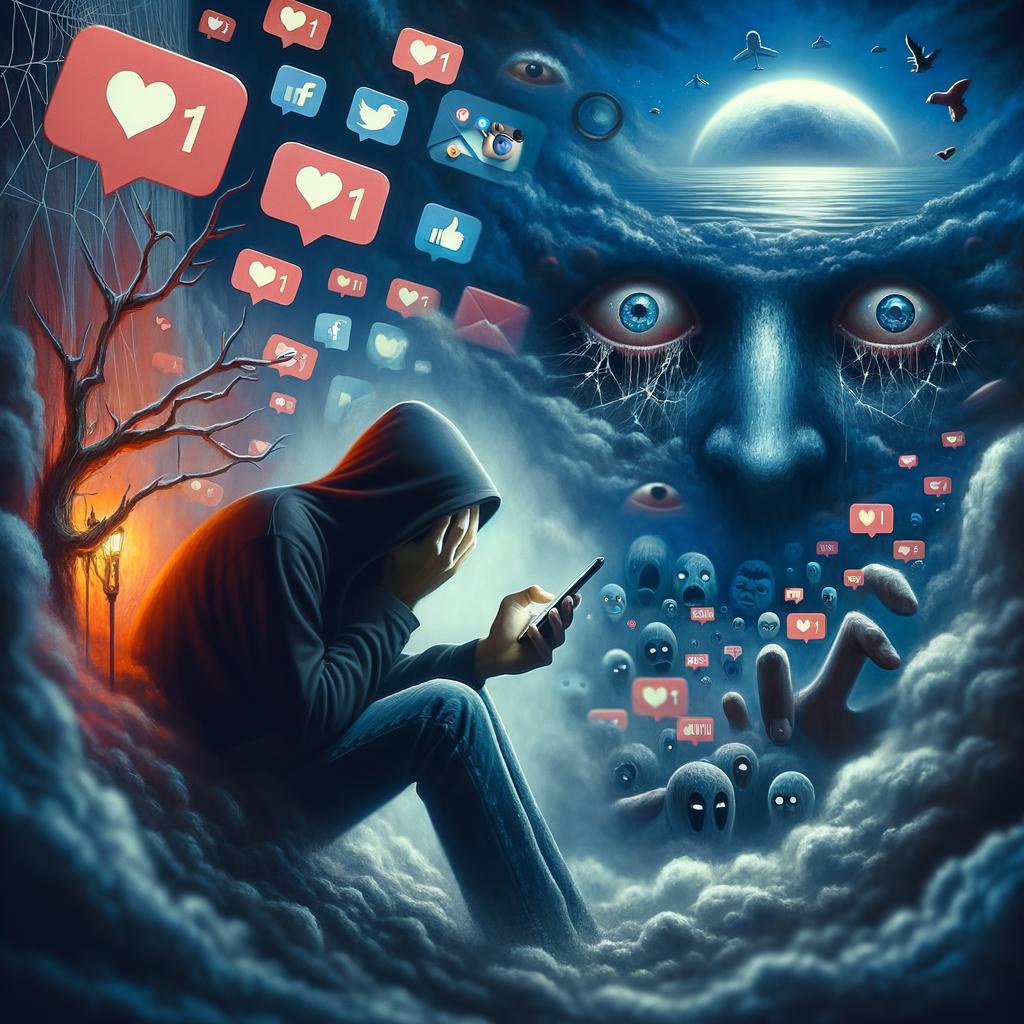
The Psychological Impact of FOMO: Why We Can’t Look Away
The phenomenon of fear of missing out (FOMO) has become increasingly relevant in today’s hyper-connected world. This psychological experience is driven by the anxiety that arises when individuals believe they are missing out on rewarding experiences that others are enjoying. Research indicates that this fear can lead to significant distress, impacting mental health and well-being. Those affected often feel compelled to engage in activities or social media interactions to avoid the feelings associated with being excluded.
Several factors contribute to the prevalence of FOMO in society today, including:
- Social Media: Platforms that showcase curated versions of life amplify the sense that others are constantly having new experiences.
- Peer Pressure: The desire to conform to social norms and the expectations of friends can create an urgency to participate in events or outings.
- Increased Connectivity: The constant access to updates from friends and family can create a perpetual comparison cycle.
The impact of FOMO can be particularly pronounced among younger individuals, who may prioritize virtual engagement over in-person interactions. This can foster feelings of isolation and inadequacy, as they constantly seek validation through external sources. Consequently, the cycle of FOMO can perpetuate negative mental health outcomes, including anxiety and depression, making it invaluable for society to understand and address this modern emotional challenge.
Navigating FOMO: Strategies for Balancing Engagement and Well-Being
In today’s fast-paced digital landscape, the fear of missing out (FOMO) can be overwhelming, affecting both mental health and interpersonal relationships. To combat this pervasive anxiety, it is essential to develop a conscious approach to engagement. One effective strategy is to curate your social media feeds. By following accounts that resonate with your values and interests, you can minimize exposure to content that triggers feelings of inadequacy or urgency. This tailored online experience allows for deeper engagement with meaningful content,rather than mindless scrolling.
Another important technique is practicing mindfulness and self-reflection. Being aware of when and why you’re experiencing FOMO can definitely help you identify triggers and develop healthier coping mechanisms. Consider setting aside time for activities that promote self-care-such as reading,journaling,or meditating. By focusing on your own needs and desires rather than external pressures, you can cultivate a more fulfilling and balanced life, free from the incessant pull of FOMO.
Lastly, establishing boundaries with technology is vital for maintaining mental well-being. Designate specific times to check social media or engage with digital content, rather than allowing it to infiltrate every aspect of your day. Engaging in offline activities, such as pursuing hobbies or spending time with loved ones, can foster real-life connections that diminish the allure of online comparisons. By prioritizing your well-being and setting clear boundaries, you can navigate FOMO more effectively and create a healthier relationship with technology.
As we conclude our exploration of FOMO-its origins, implications, and its pervasive influence in modern culture-it becomes clear that this phenomenon is a reflection of our interconnected lives. The fear of missing out is not merely a trivial concern; it has significant psychological and social repercussions that can impact our well-being, relationships, and lifestyle choices. Understanding FOMO is essential in navigating the complexities of our digital age, where the allure of perpetual connectivity often clashes with the necessity for introspection and genuine engagement.
To combat this fear, it is vital to foster a sense of mindfulness and gratitude for the present moment. By recognizing the curated realities presented online, we can cultivate a more balanced outlook and prioritize our individual experiences over social comparisons.
In navigating a world saturated with choices and experiences, empowering ourselves with this understanding can lead to healthier relationships and a more fulfilling life. As we move forward, staying conscious of FOMO and its effects can help us reclaim our time and joy, allowing us to engage authentically with the world around us.Embrace your journey and remember: the moments that truly matter are often found in the absence of fear, not the pursuit of what might be missed.

