

In the fast-evolving world of cryptocurrencies, securing your Bitcoin assets is paramount. With increasing threats from hackers adn the complexity of user ownership, understanding the various wallet types available for effective self-custody is crucial. in this listicle, we delve into the “Top 4 Bitcoin wallet Types for Effective Self-Custody,” offering detailed insights into hardware wallets, software wallets, paper wallets, and mobile wallets. Each type has its unique advantages, and understanding them will empower you to make informed decisions about how to safeguard your investments.Read on to discover the best practices for protecting your cryptocurrency assets and enhancing your overall crypto security.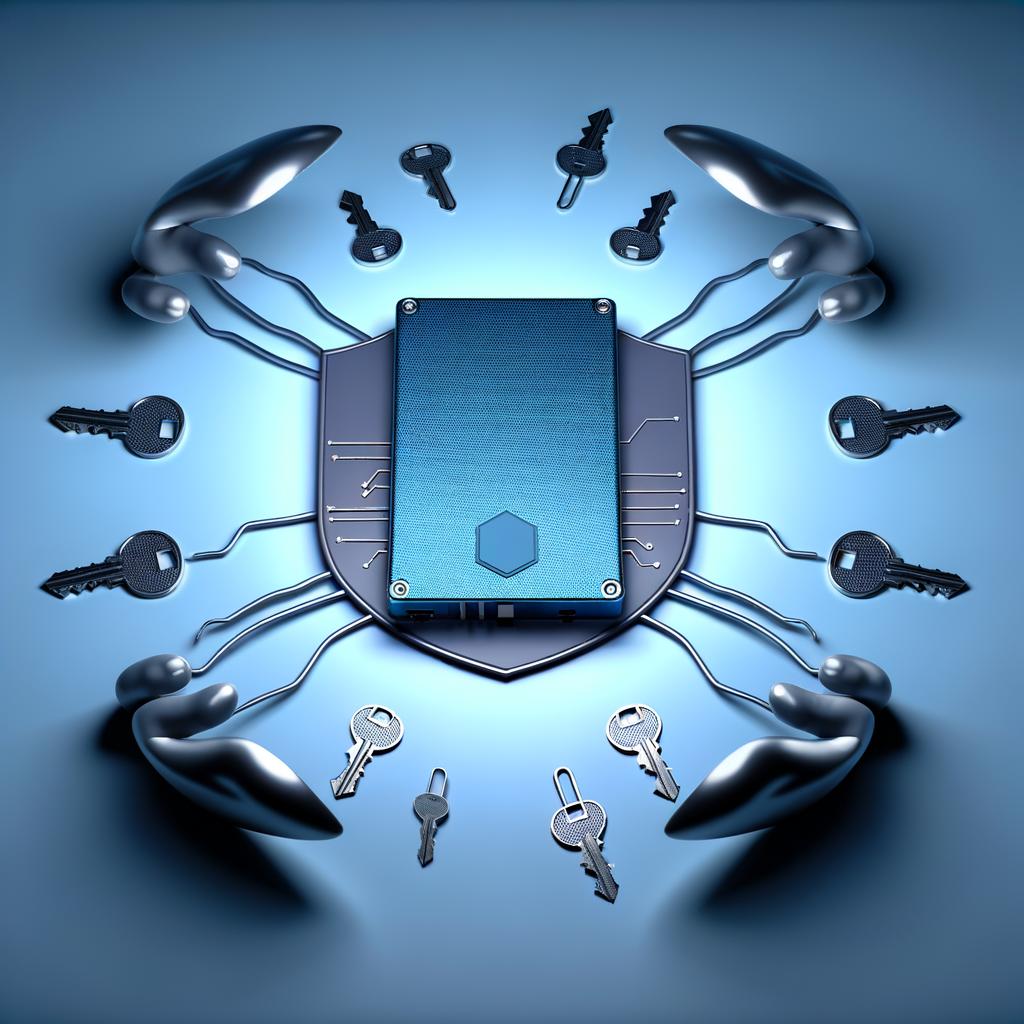
1) Hardware Wallets: Known for their robust security features,hardware wallets store your Bitcoin offline on a physical device. This makes them less vulnerable to hacks and malware, providing a secure way to manage your assets while retaining full control over your private keys
Hardware wallets are a staple for any serious Bitcoin investor, providing a level of security that software wallets simply cannot match. These devices remain disconnected from the internet while not in use, substantially lowering the risk of hacking or malware attacks. With your private keys stored offline, you hold a significant advantage in safeguarding your cryptocurrency against cyber threats.
When choosing a hardware wallet, consider the following features that enhance your security:
- Secure Element: Many hardware wallets include a secure chip that protects sensitive data from unauthorized access.
- Backup Options: Users can create recovery seeds, allowing for asset restoration in case the device is lost or damaged.
- Multi-Currency Support: Some wallets enable users to store various cryptocurrencies, providing versatility in crypto management.
Popular hardware wallets in the market include:
| Wallet | Price Range | Key Feature |
|---|---|---|
| Trezor Model T | $200 - $220 | Touchscreen interface |
| Ledger Nano X | $150 – $180 | Bluetooth connectivity |
| KeepKey | $50 – $70 | Simple user interface |
2) Software Wallets: These wallets are applications that can be installed on your computer or mobile device. They offer a balance between convenience and security, allowing easy access to your funds while providing features like transaction tracking and wallet backups. However, users must remain vigilant against online threats
Software wallets have become increasingly popular due to their accessibility and user-kind interfaces. These wallets are applications that can be easily installed on either your computer or mobile device, allowing for speedy access to your Bitcoin holdings. Most software wallets offer essential features such as transaction tracking, which helps users monitor their spending and income, as well as wallet backups to safeguard against potential data loss. This balance of convenience and functionality makes them an attractive choice for both beginners and seasoned investors.
Despite their advantages,users must practice vigilance when using software wallets. The digital nature of these applications exposes them to various online threats, including malware and phishing attacks.It’s crucial to ensure that your software wallet is always updated to the latest version, as developers frequently release security patches to protect against new vulnerabilities. Additionally, enabling two-factor authentication (2FA) adds an extra layer of security, making unauthorized access significantly more challenging.
When selecting a software wallet, consider evaluating its security features, user reviews, and the reputation of the developers behind it.Some of the notable software wallets include:
- Exodus – Known for its attractive user interface and ease of use.
- Electrum – Highly regarded for its security and customizable features.
- Atomic Wallet - Offers a wide range of supported cryptocurrencies and a simple setup process.
The Conclusion
As we’ve explored in this listicle, securing your Bitcoin through effective self-custody is crucial in today’s cryptocurrency landscape. each wallet type-hardware, software, paper, and mobile-offers unique advantages and potential drawbacks, catering to various security preferences and user experiences. Whether you prioritize convenience or the highest levels of security, understanding the nuances of each option empowers you to make informed decisions about safeguarding your assets.
In an era of increasing cyber threats and market volatility, choosing the right wallet is not just about managing your Bitcoin but also about taking control of your financial future. By aligning your choice with your specific needs and comfort level, you can enhance your crypto security and ensure a more resilient investment strategy.
We encourage you to delve deeper into each type of wallet and consider your own requirements before making a decision. The world of Bitcoin is exciting,but always remember: with great opportunity comes great responsibility. Secure your investments wisely!


