

Introduction:
In the latest episode of the This Week In Space podcast, Episode 149, hosts dive into the latest developments in space exploration, focusing on the enterprising projects of spacex, upcoming lunar missions, and the ever-pressing concerns about asteroids headed towards Earth. As SpaceX continues to redefine the boundaries of commercial space travel with it’s innovative technologies, listeners are treated to insights into their latest launches and missions aimed at the Moon. Additionally, experts discuss the strategies being devised to mitigate the risks posed by potential asteroid threats.With expert commentary and engaging discussions,this episode promises to keep the audience informed and intrigued about the forefront of space exploration and planetary defense. Tune in as we explore what lies ahead in our journey to the stars.
Latest Developments in SpaceX’s Mars Colonization Plans
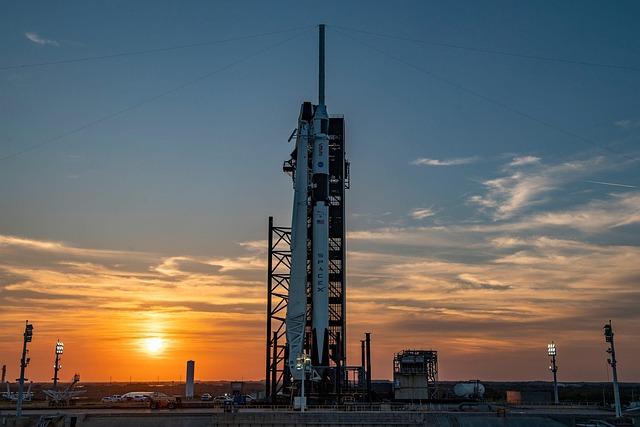
The latest insights from SpaceX indicate significant progress in the company’s ambitious plans for Mars colonization. Recent developments highlight the successful testing of the Starship prototypes, which are crucial for transporting humans and cargo to the Red Planet. Notably, SpaceX has focused on advancements in autonomous landing technology and in-flight refueling processes that will enhance the feasibility of long-duration missions. The upcoming missions are expected to include crewed flights by 2026, aiming to establish a lasting human presence on Mars by the decade’s end.
In addition to technical advancements, SpaceX has been actively engaged in international collaborations to prepare for Mars exploration. The company is in discussions with several global space agencies to share research and data, ensuring thorough preparations for potential colonization efforts. Among the goals set for the near future are:
- Building Habitats: Developing sustainable living environments for initial settlers.
- Resource Utilization: Exploring in-situ resource utilization techniques for water and fuel.
- Life Support Systems: creating advanced systems to ensure safety and health for astronauts.
Such collaborative efforts and technological innovations are pivotal as SpaceX aims to turn the vision of a human settlement on Mars into a reality, and discussions during the latest episode of the “This week In Space” podcast have spotlighted these initiatives as central to the company’s mission.
Exploring Upcoming Moon Missions: Significance and Challenges
The upcoming lunar missions are poised to transform our understanding of the Moon and expand humanity’s presence beyond Earth. As agencies like NASA, ESA, and private companies such as SpaceX gear up for their ambitious endeavors, the significance of these missions cannot be overstated. They aim to explore vital questions about the Moon’s resources, geology, and potential for supporting future human habitation. Key objectives include:
- Resource Utilization: Identifying water ice reserves which could support life and fuel future missions.
- Scientific Research: Conducting experiments that can shed light on the Moon’s formation and its role in the solar system.
- Technological Innovation: Testing new technologies that could facilitate long-duration space missions.
However,these missions are not without their challenges. Technical hurdles, funding limitations, and international collaboration complexities pose significant risks. The coordination between multiple stakeholders,each with their own objectives and timelines,presents a unique set of obstacles. Notably, issues related to:
- Launch Reliability: Ensuring spacecraft can withstand the harsh lunar environment.
- Safety Protocols: Establishing robust systems to protect human life during exploration.
- Budget Constraints: Balancing ambitious scientific goals with the realistic funding capabilities of participating organizations.
Assessing the Threat of Asteroids: Prevention Strategies and technological Innovations
The persistent threat of asteroid impacts has prompted the global community to explore various strategies for prevention. NASA’s Planetary Defense Coordination Office is at the forefront of these efforts, actively monitoring near-Earth Objects (NEOs) through advanced tracking systems. leveraging both ground-based and space-based telescopes, scientists aim to identify potential threats well in advance. To combat the danger posed, several innovative strategies are being developed, including the gravity tractor, which uses a spacecraft’s gravitational pull to nudge an asteroid off its collision course, and kinetic impactors, designed to collide with an asteroid to change its trajectory. The interdisciplinary focus on enhancing global collaboration for asteroid tracking and defense has energized discussions among space agencies, private sectors, and researchers around the world.
Technological innovations also play a critical role in both monitoring and mitigating asteroid threats. As a notable example, missions like NASA’s DART (Double Asteroid Redirection Test) aim to provide practical insights by directly testing collision strategies on smaller asteroids. Similarly, the development of AI and machine learning algorithms enhances predictive modeling capabilities, enabling a more nuanced understanding of an asteroid’s path and characteristics. A recent initiative involves the usage of space-based sensors, which can detect NEOs far beyond our current capabilities and classify their risks more accurately. The ongoing international dialogues on asteroid prevention underscore the urgency and significance of these advancements, ensuring that humanity remains vigilant and prepared for potential cosmic threats.

In Summary
episode 149 of the “This Week In Space” podcast delivers a captivating exploration of the latest developments in space exploration, featuring significant updates from SpaceX, ambitious moon missions, and the ever-looming threat of killer asteroids. as we delve into the intricate web of advancements and challenges in the cosmos, it’s clear that the conversation surrounding our celestial neighbors is more vital than ever. Listeners can look forward to insightful discussions that not only inform but also inspire action toward a safer and more daring exploration of the final frontier.join us next week as we continue to unravel the mysteries of space,one episode at a time.


