

Introduction:
As the world stands on the precipice of a historic financial upheaval, one demographic is poised to receive an unprecedented share of the anticipated $124 trillion Great Wealth Transfer.This massive redistribution of wealth, driven by aging populations and shifting inheritance patterns, promises to reshape economic landscapes across generations. But who will benefit the most from this swell of wealth? Emerging data suggests that millennials and Generation Z could be the primary recipients, finding themselves inheriting “more money than ever before.” This article explores the implications of this wealth transfer, the demographic dynamics at play, and the potential consequences for individuals and the broader economy. Join us as we analyze how this pivotal moment could redefine financial power and investment strategies for years to come.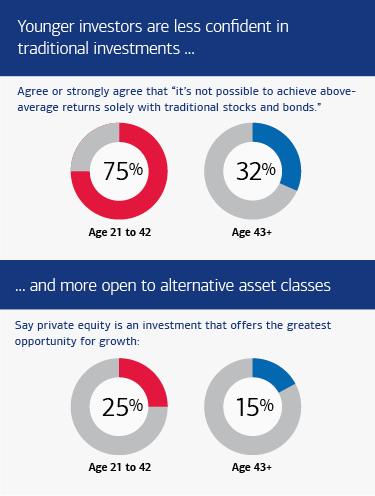
Understanding the Implications of the Great Wealth Transfer on Younger Generations
The impending Great Wealth Transfer is set to reshape the financial landscape, primarily benefitting younger generations.Recent reports indicate that women are poised to inherit most of the projected $124 trillion, a shift that could significantly alter economic power dynamics. Financial advisors emphasize the importance of planning, as this transfer may also usher in new responsibilities and challenges for inheritors.Young individuals must focus on cultivating financial literacy to navigate this unexpected wealth and make informed decisions.
As this wealth becomes available, young inheritors will face key opportunities and challenges:
- Investment Opportunities: Increased disposable income may lead to greater investments in stocks, real estate, and entrepreneurship.
- Generational Wealth Building: the transfer will provide a unique chance to establish lasting financial legacies.
- Financial Obligation: With newfound wealth comes the responsibility to manage it wisely, perhaps influencing spending habits and savings strategies.
understanding these dynamics is crucial, not only for the beneficiaries but also for society as a whole, as the ripple effects of this wealth transfer extend into economic equality, philanthropy, and social mobility.

Strategies for Navigating the Financial Landscape Amidst the Coming Wealth Shift
As the generational wealth transfer unfolds, young adults stand poised to inherit a staggering $124 trillion in assets over the coming decades. This financial boon presents both opportunities and challenges.To effectively navigate this evolving landscape,it is essential for this demographic to adopt pivotal strategies,including:
- Investment Education: Understanding various asset classes,including equities,real estate,and cryptocurrencies,will equip these individuals to make informed decisions.
- Diversification: Spreading investments across a variety of sectors can mitigate risks associated with market volatility, ensuring a steady growth trajectory.
- Financial Planning: Engaging with financial advisors to set long-term goals is crucial. Tailored plans can optimize the advantages of newfound wealth, promoting sustainable financial health.
Additionally, technology will play a critical role in shaping the investment strategies of this emerging affluent class. leveraging tools such as:
- Robo-Advisors: Providing low-cost investment management services, making wealth growth accessible.
- blockchain Technology: Enabling secure,obvious transactions,especially in new asset classes like cryptocurrencies.
- Fintech Apps: Offering personalized financial advice and real-time market insights to empower smarter investing choices.
Empowering the Next Generation: Key Steps for Benefiting from the Trillion-Dollar Opportunity
The upcoming generational wealth transfer represents an unprecedented opportunity for younger generations to reshape their financial futures. As Baby Boomers pass down an estimated $124 trillion, beneficiaries must adopt strategic measures to maximize this influx of wealth. To begin, financial literacy will be essential; understanding investment vehicles, savings plans, and the intricacies of wealth management will empower heirs to make informed decisions. Additionally, fostering a culture of entrepreneurship can enable the next generation to leverage inherited assets for innovative ventures that drive economic growth. Encouraging participation in financial education programs will further prepare them for informed asset stewardship.
Moreover, establishing intergenerational communication about wealth can dismantle financial taboos and help young heirs grasp the responsibilities that come with inheritance.Engaging in discussions around philanthropy can add another layer of impact, allowing beneficiaries to align their values with their financial choices. Youngsters can also adapt to new economic realities by exploring emerging technologies such as cryptocurrencies and sustainable investments, which are increasingly pivotal in the financial landscape. By integrating these practices into their financial planning, the younger demographic can not only enhance their economic standing but also contribute positively to societal transformation.
Closing Remarks
As we stand on the cusp of an unprecedented financial shift, the implications of the $124 trillion Great Wealth Transfer are becoming increasingly evident. With millennials poised to inherit the bulk of these assets, the landscape of wealth distribution is set to undergo a transformative change. This remarkable transition not only highlights generational disparities but also raises critical questions about economic empowerment, investment strategies, and the overall impact on social equity. As this demographic steps into positions of financial influence, their decisions will shape not only individual fortunes but also the broader economy. Stakeholders across industries must prepare for the ripple effects of this wealth influx, as the convergence of technology, sustainability, and consumer behavior continues to redefine how wealth is accumulated and utilized. stay informed as we continue to explore the nuances of this transition and its far-reaching consequences in an evolving economic landscape.


