

The Impending Disruption That Will Transform IT and the Workforce: “service-as-Software”
In an era characterized by rapid technological advancement and the ever-evolving demands of the workforce, a revolutionary concept is poised to reshape the landscape of data technology and labor dynamics. Enter “Service-as-Software,” an innovative paradigm that promises to disrupt customary IT models and redefine how organizations approach service delivery, project management, and employee engagement. As companies grapple with the challenges of digital transformation, this trend is gaining traction, offering a more agile, scalable, and user-centric approach to software solutions. Industry experts predict that the rise of Service-as-Software could not only streamline operational efficiencies but also unfurl a new chapter in workforce empowerment, compelling businesses to rethink their strategies in an increasingly competitive market. Amid this impending shift, stakeholders across the tech and corporate sectors are looking to understand the implications, opportunities, and challenges that accompany this transformative movement.
The Rise of Service-as-Software and Its Impact on IT Infrastructure
The emergence of Service-as-Software (SaaS) is redefining the landscape of IT infrastructure, forging a path toward unprecedented agility and collaboration. This model enables organizations to streamline operations, reduce overhead, and embrace a more flexible approach to resources. Companies can now leverage various services, integrating them directly into existing workflows without the burden of extensive physical hardware or complex installations. As SaaS continues to evolve, it democratizes access to robust technological solutions, empowering smaller enterprises to compete on a level playing field with larger firms. The shift from traditional IT practices to this innovative model heralds a new era in efficiency and scalability, where businesses can adapt more swiftly to market changes and emerging opportunities.
Furthermore,the integration of SaaS into IT strategies presents an array of implications for workforce dynamics. As more services transition to the cloud, organizations are tasked with rethinking skill sets and training programs. The demand for cloud-savvy professionals who can manage and optimize these services is rising, while traditional roles may become obsolete. Organizations should prioritize equipping their teams with the necessary skills to navigate this new landscape through:
- Continuous learning initiatives
- Collaborative tools and environments
- A focus on cross-functional teams
To illustrate this transition, we can observe a simple comparison between traditional IT models and their SaaS counterparts:
| traditional IT | Service-as-Software |
|---|---|
| High upfront capital expenses | Subscription-based pricing |
| extensive hardware requirements | Cloud-based accessibility |
| Limited scalability | Rapid scaling capabilities |
Embracing Service-as-Software models will not only reshape IT infrastructure but will also redefine workforce roles and responsibilities, positioning organizations for long-term success in an increasingly digital world.
Adapting Workforce Skills for the Changing Landscape of IT Services
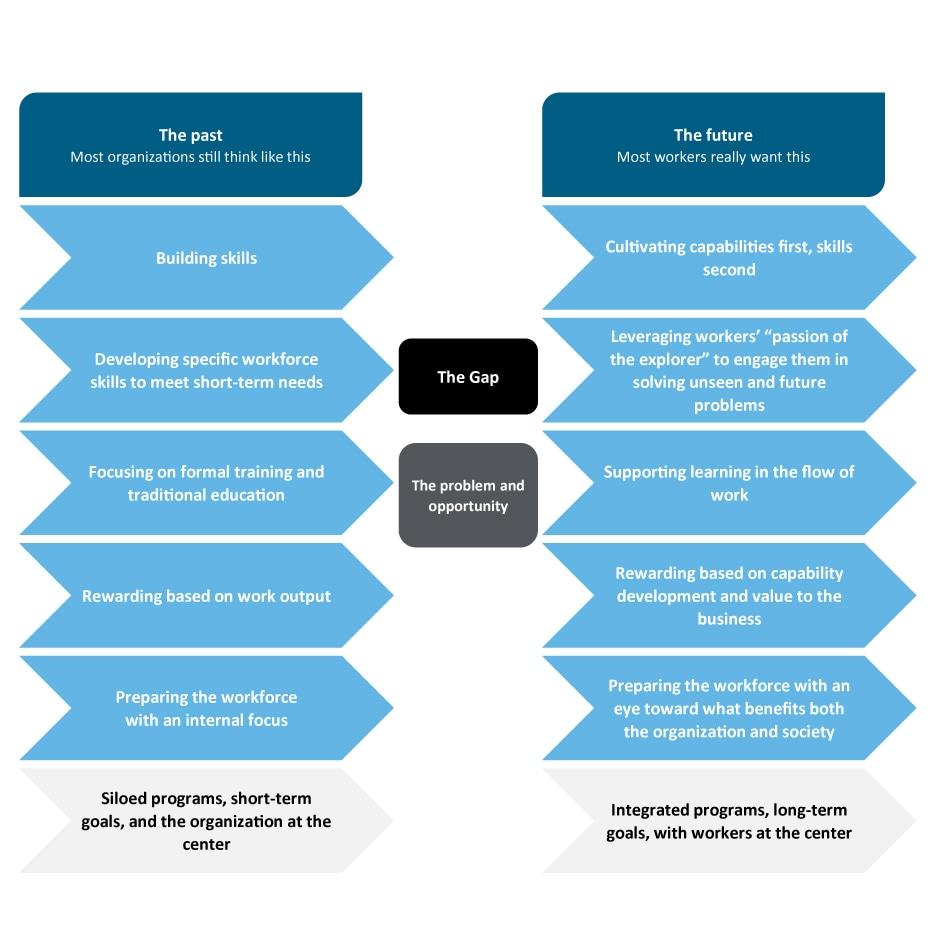
The landscape of IT services is rapidly evolving, driven by the rise of service-as-Software (SaaS) models. This shift necessitates a transformation in workforce skills, emphasizing adaptability and innovation. Organizations must invest in training programs that equip employees with competencies in cloud technologies, data analytics, and cybersecurity to meet the demands of this new paradigm. As roles become more fluid and integrated,the traditional boundaries of IT jobs are blurring,underscoring the need for professionals to engage in continuous learning to remain relevant in a competitive marketplace.
Employers are now prioritizing a blend of technical prowess and soft skills, recognizing that collaboration and problem-solving abilities are essential in a service-oriented environment. Key skills that are becoming increasingly valuable include:
- Cloud Computing: Understanding cloud infrastructure and services is crucial.
- Data Management: Proficiency in analyzing and interpreting large datasets to drive decision-making.
- Agile methodologies: Familiarity with agile practices that enhance project management and productivity.
This shift towards a more dynamic workforce positions companies to harness the full potential of SaaS, paving the way for enhanced efficiency and innovation within the sector. As companies navigate this transformation,proactive engagement in upskilling initiatives will be vital for future success.

Navigating Transformation: Strategies for Implementing Service-as-software Solutions
In the fast-evolving landscape of IT, organizations are increasingly recognizing the value of Service-as-Software (SaaS) solutions to streamline operations and enhance agility.To navigate this transformation effectively, companies should implement strategies that not only embrace technological change but also prioritize organizational alignment. Key strategies include:
- Conducting a thorough assessment: Before diving into implementation, organizations must evaluate their existing infrastructure and processes to identify areas where SaaS can deliver the most value.
- Fostering a culture of adaptability: Encouraging a mindset that embraces change is crucial. Training programs and workshops can help teams understand and leverage the benefits of SaaS technologies.
- Prioritizing user experience: Ensuring that the solutions adopted prioritize ease of use and integration will facilitate smoother transitions for staff and clients alike.
Moreover, organizations should consider forming cross-departmental teams to oversee the integration of SaaS solutions, ensuring that insights and needs from various units inform decision-making. Additionally, evaluating potential vendor partnerships based on their ability to offer scalable and customizable solutions will be pivotal. Key points to consider include:
| Criteria | Description |
|---|---|
| Scalability | The ability to grow with the organization’s needs. |
| Customization | Flexibility to adapt the service to specific user requirements. |
| support and Training | Availability of ongoing support and user training resources. |
insights and Conclusions
As the landscape of technology and workforce dynamics continues to evolve, the rise of “Service-as-Software” stands poised to catalyze important changes across industries.This trend not only promises to enhance operational efficiency but also to reshape the roles and skills required in the modern workforce. Businesses that proactively adapt to this paradigm shift will not only gain a competitive edge but also drive innovations that redefine how services are delivered and consumed.As we move further into this new era, it is imperative for leaders across sectors to recognize the potential of Service-as-Software and strategically incorporate it into their business models. The future of IT and the workforce hinges on our ability to embrace these changes and harness the full capabilities of this transformative technology.


