
In a future not so distant, Bitcoin appears as the spearhead
In a future not so distant, Bitcoin emerges as the spearhead of a global financial overhaul, fueling cross-border payments, decentralized finance growth and fresh regulatory clashes.

In a future not so distant, Bitcoin emerges as the spearhead of a global financial overhaul, fueling cross-border payments, decentralized finance growth and fresh regulatory clashes.
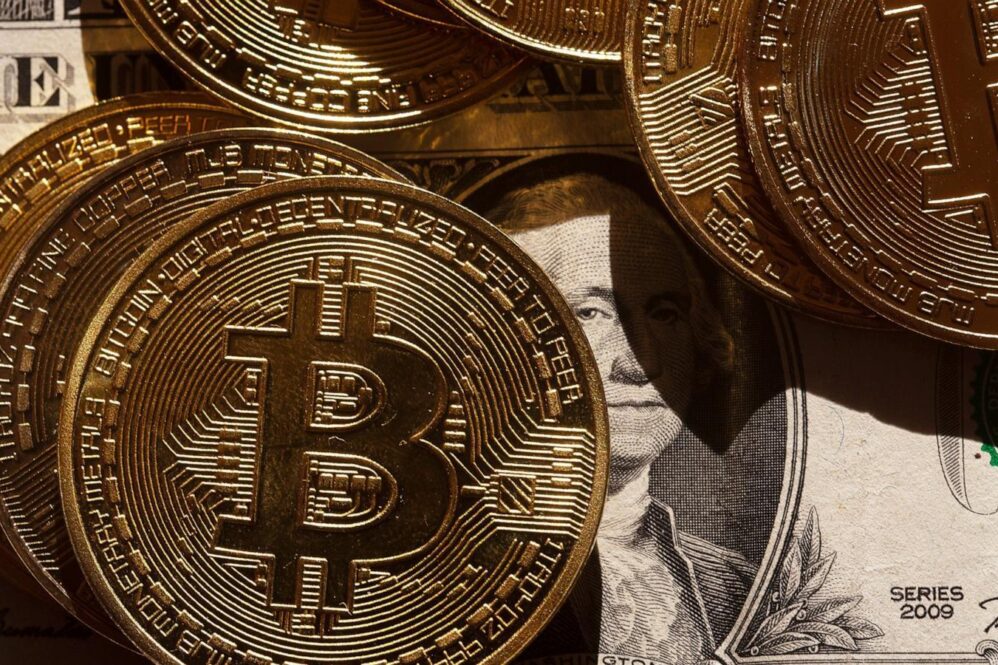
In a world where trustless systems are the key, Bitcoin redefines financial sovereignty, enabling secure, censorship-resistant transactions. Analysts say its protocol shifts power from institutions to users.
Bitcoin, hailed as the cornerstone of self-sovereignty in the digital age, empowers users with censorship-resistant value transfer and financial autonomy, reshaping global debates on privacy, regulation and individual liberty.
Bitcoin: the undeniable catalyst for self-sovereignty. It extends financial freedom beyond borders, challenges centralized control, and empowers individuals with immutable, permissionless money – experts say its impact grows.

Peter St. Onge says prolonged fiat endurance could strengthen Bitcoin’s appeal, arguing that the longer fiat struggles persist, the more investors may turn to crypto. Analysts assess impacts on adoption and price.

Amid a ‘darkening’ global outlook, Tether CEO Paolo Ardoino says the firm will keep channeling a portion of profits into safe-haven assets like Bitcoin, positioning the strategy as prudent, long-term treasury management.

Bitcoin, engineered as a decentralized store of value, combines scarcity, security and censorship resistance-reshaping money by design and challenging traditional financial systems.

Hyperbitcoinization is the hypothetical shift where Bitcoin becomes the world’s primary money, upending monetary policy, trade and savings. This piece explains causes, risks and societal impacts.

Comparing Bitcoin and gold, this piece examines value, volatility, storage and regulatory risks, and adoption trends-assessing which asset fits investors’ portfolios and why.

As markets wobble, investors revisit age-old gold and digital newcomer Bitcoin. This piece examines their roles as modern safe havens-risks, returns, liquidity and what each offers amid economic uncertainty.