
4 Ways Ethereum’s ‘World Computer’ Vision Fell Short
Explore four key ways Ethereum’s “world computer” dream has stumbled-from scalability bottlenecks to UX friction-this listicle breaks down where reality diverged from the original vision.

Explore four key ways Ethereum’s “world computer” dream has stumbled-from scalability bottlenecks to UX friction-this listicle breaks down where reality diverged from the original vision.
Solana Labs CEO Anatoly Yakovenko has rejected Vitalik Buterin’s conservative path to blockchain longevity, arguing that chains must evolve aggressively to survive in an increasingly competitive crypto landscape.
Ethereum co-founder Vitalik Buterin warns that the push for mainstream adoption is eroding the network’s core values, urging the community to prioritize decentralization and user sovereignty over rapid growth.
Ethereum Layer 1 activity has surged to 2.2 million transactions per day, with average fees hovering around $0.17. The spike highlights growing on-chain demand amid efforts to keep costs affordable.

Bitcoin charges into the future of trustless systems, a bold experiment in decentralization that’s proving its mettle. Market stress-tests show resilience as developers roll out upgrades, investors wrangle over regulation, and adoption steadily climbs despite global economic uncertainty
This article analyzes Nostr’s decentralized architecture, cryptographic key management, and messaging protocols, assessing security guarantees, privacy trade-offs, and resilience against censorship.

VanEck says Ethereum’s Fusaka upgrade-focused on consensus refinements, client readiness and rigorous testing-could be a game‑changer, positioning the network to capitalize on upcoming blob capacity boosts.
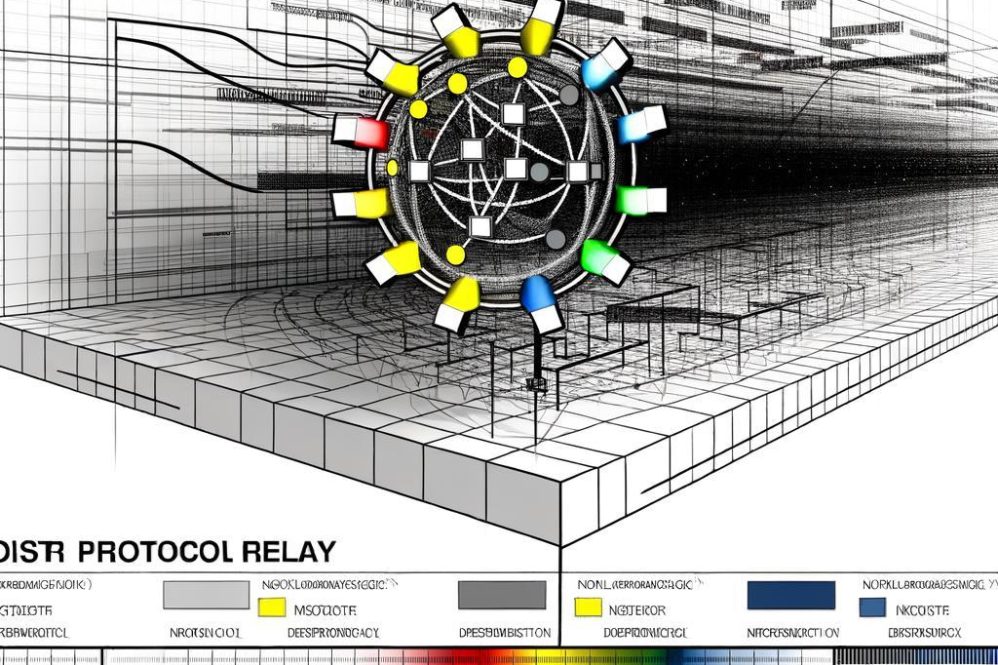
The Nostr relay is a network node that stores and forwards cryptographically signed events between clients. This component enables decentralized, real‑time distribution and subscription-based retrieval of messages.