Bitcoin dead again at $94K prior to tomorrow’s Fed meeting
Bitcoin reclaimed the $94K mark ahead of tomorrow’s Fed meeting, as traders weigh the potential impact of interest rate signals on risk assets and crypto market liquidity.

Bitcoin reclaimed the $94K mark ahead of tomorrow’s Fed meeting, as traders weigh the potential impact of interest rate signals on risk assets and crypto market liquidity.

Bank of Japan may signal a rate hike in December, sources say, as officials weigh tighter policy to curb inflation. Markets monitor BOJ communications for forward guidance and timing of any shift.
Bitcoin surged to $111,000 after softer CPI data raised expectations of Fed rate cuts, sparking renewed investor demand and a broad crypto market rally amid reduced inflation concerns.

Arthur Hayes says Bitcoin could hold $80,000 as Fed policy shifts erode the dollar, with rising macro liquidity and investor rotation into crypto seen as a hedge against tightening risks.

Bitcoin’s slide below $100,000 was driven by waves of profit-taking, fresh regulatory scrutiny and shifting macro forces. What began as a brisk rally lost steam as traders stepped back, reassessing risk under tighter policy and uneven demand for crypto
In a surprising move, former President Trump announced a $2,000 tariff “dividend” aimed at American taxpayers. Analysts predict this could influence cryptocurrency markets as investors seek safe havens amid economic uncertainty. Impact on digital assets looms.
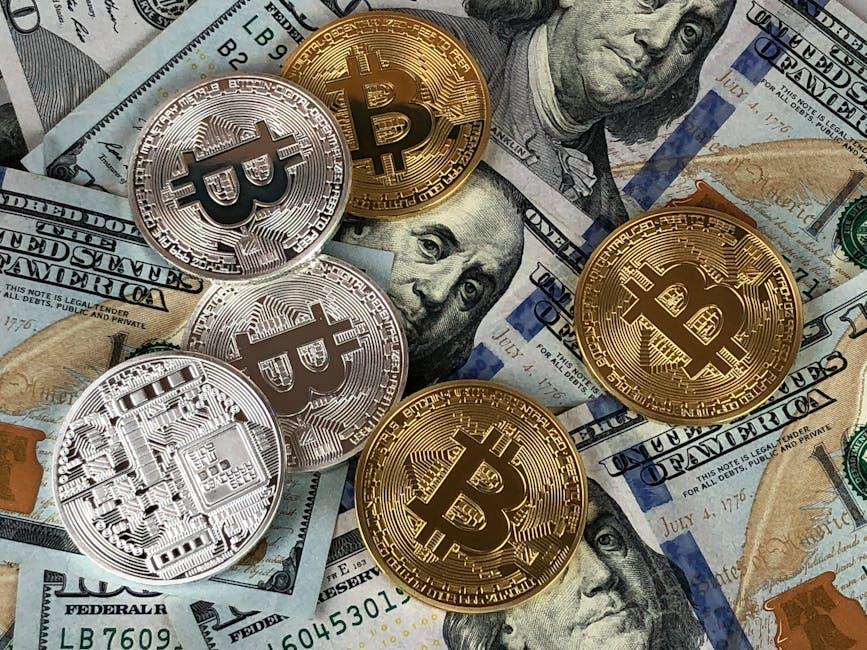
In a world chained by centralized monetary systems, Bitcoin emerges as a digital alternative promising censorship-resistant, borderless value transfer – challenging state control and reshaping global finance.

In a world strangled by monetary policy reform, Bitcoin arises as a decentralized refuge, challenging central banks, reshaping payments and asset preservation amid rising inflation and political controls.
Robinhood and Coinbase shares tumbled, dragging crypto-linked stocks lower as investors fled amid mounting macroeconomic worries – inflation, rate risk and growth fears denting sentiment across the sector.

Peter St. Onge says prolonged fiat endurance could strengthen Bitcoin’s appeal, arguing that the longer fiat struggles persist, the more investors may turn to crypto. Analysts assess impacts on adoption and price.