Bitcoin Price Slump Could Spark Next Bull Run?
Bitcoin’s recent price slump could trigger the next bull run as investors buy the dip, on-chain indicators stabilize and macro conditions improve, analysts say a sharp rebound may be imminent.

Bitcoin’s recent price slump could trigger the next bull run as investors buy the dip, on-chain indicators stabilize and macro conditions improve, analysts say a sharp rebound may be imminent.

Balancing on the razor edge of digital scarcity, Bitcoin confronts regulatory pressures and market volatility as investors weigh its role as censorship-resistant money against adoption and systemic risks.
Amidst digital scarcity, Bitcoin stands bold – asserting open access and financial speech. Markets and regulators watch as advocates call BTC immutable money and a safeguard for permissionless value transfer.

Bitcoin’s rapid descent into the ‘fastest bear market’ may mask a potential year-end rebound for BTC, as on-chain indicators and shifting investor positioning hint at emerging bullish catalysts.
Bitcoin’s price may be decoupling from its traditional four-year cycle as macro influences, ETF flows, and shifting on-chain dynamics reshape market timing, challenging historical patterns.

BTC updated: market shows renewed volatility as prices test key resistance levels. On-chain signals and institutional flows suggest a possible shift in momentum-traders weigh breakout potential against macro risks.

Bitcoin mining is the decentralized process that creates new coins and secures the network: miners solve cryptographic puzzles, validate transactions, and earn rewards, shaping supply through consensus.
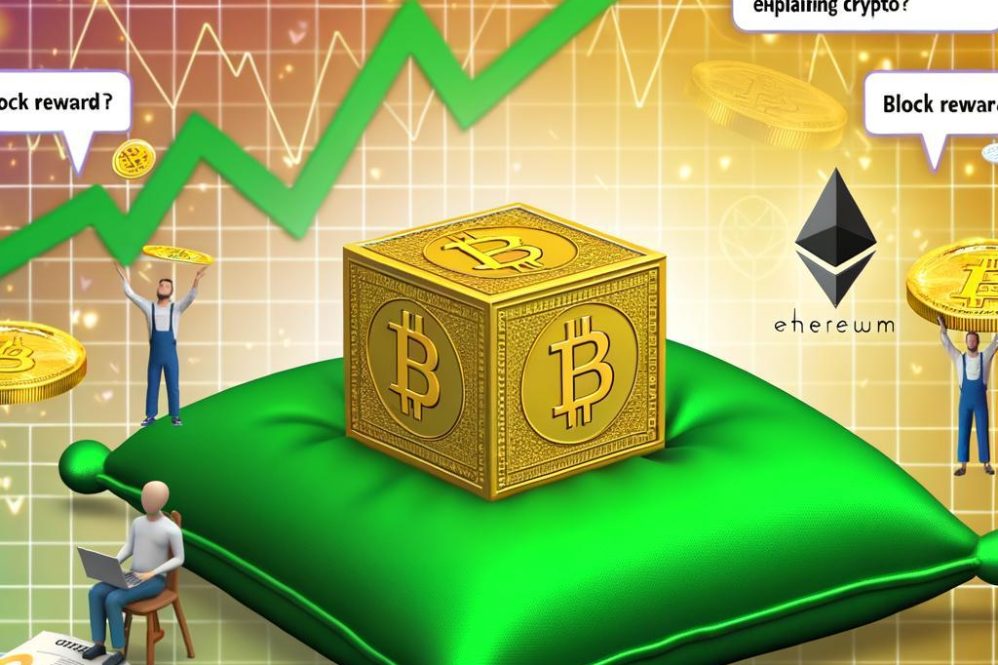
Block rewards are the crypto incentives miners earn for validating transactions and securing networks. They fund operations, shape supply, and influence value as rewards diminish over time.

Bitcoin’s halving halves miner rewards roughly every four years, tightening supply and reshaping economics. This explainer outlines the mechanism, schedule, and effects on miners, markets and scarcity.
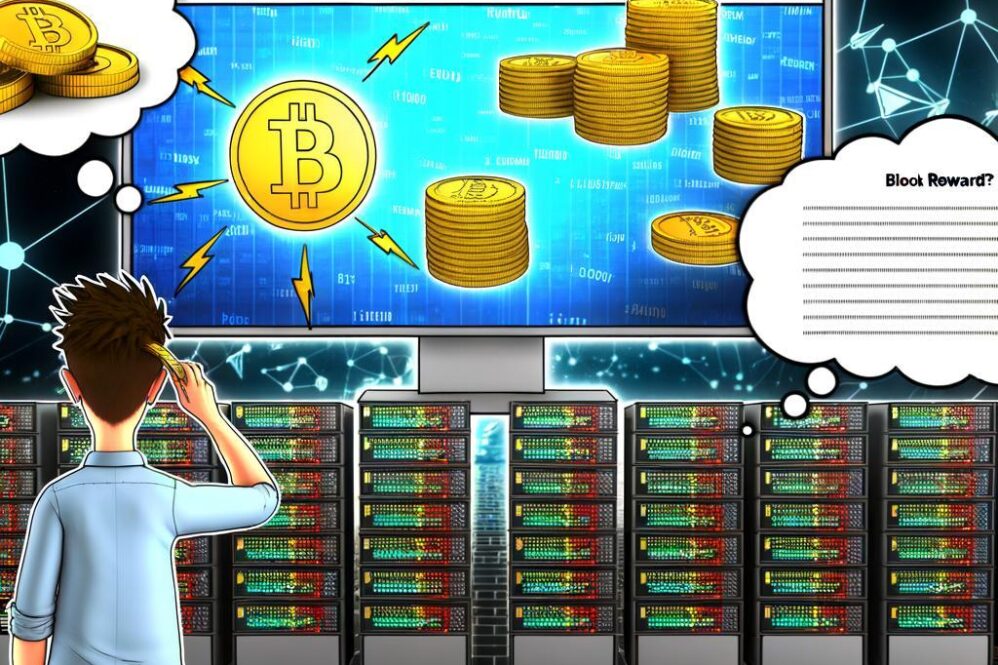
Block rewards are the payments miners receive for validating blocks. This piece explains how rewards secure networks, influence supply and miner behavior, and the effects as rewards diminish over time.