Decentralized money like Bitcoin
Decentralized money like Bitcoin marks a dive into an era of radical financial autonomy, challenging state control and reshaping payments, governance and personal sovereignty amid rising regulatory clashes.

Decentralized money like Bitcoin marks a dive into an era of radical financial autonomy, challenging state control and reshaping payments, governance and personal sovereignty amid rising regulatory clashes.

Although investigations largely rule out Jack Dorsey as Satoshi Nakamoto, the rumor itself exposes bigger forces shaping crypto – from concentrated centers of influence to the cultural myths that fuel innovation and feverish speculation
Amidst digital scarcity, Bitcoin stands bold – asserting open access and financial speech. Markets and regulators watch as advocates call BTC immutable money and a safeguard for permissionless value transfer.
Decentralized money – Bitcoin germinates an irresistible push: fresh price gains rekindle adoption, draw investors and regulators, and intensify debate over peer-to-peer finance and monetary independence.
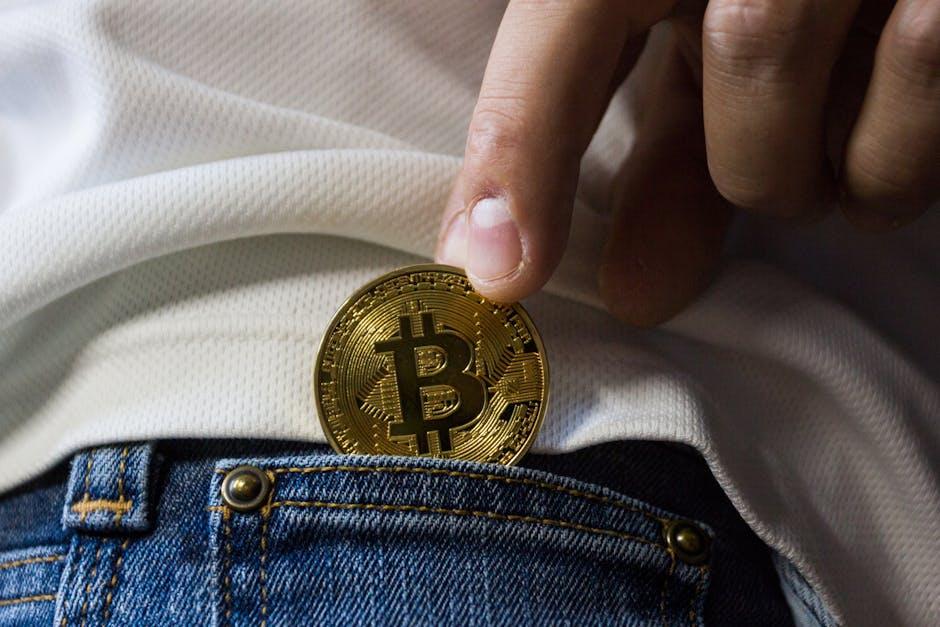
Bitcoin charges into the future of trustless systems, a bold experiment in decentralization that’s proving its mettle. Market stress-tests show resilience as developers roll out upgrades, investors wrangle over regulation, and adoption steadily climbs despite global economic uncertainty

In an era daring to reimagine monetary policy reform, Bitcoin is emerging as a hedge against inflation and a catalyst for debate, forcing policymakers to confront decentralized alternatives.

In a digitally scarce world, Bitcoin pioneers self-sovereignty, offering censorship-resistant money and direct control of value. Advocates say it restores privacy and financial freedom amid rising centralization.
Embracing the revolutionary beacon of decentralized money, Bitcoin advocates say the currency defends free speech and financial autonomy, challenging state controls while raising new regulatory and security questions.

Bitcoin breaches traditional monetary policy, testing central bank limits as investors and activists adopt decentralized, censorship‑resistant money. Markets and regulators brace for volatility and legal challenges.

Through decentralized money, Bitcoin disassembles preconceived power structures and reshapes financial norms, empowering individuals with censorship-resistant transactions and challenging centralized monetary policy, analysts say.