
What Is a Nonce? Explaining Its Role in Blockchain
Nonce: a unique, one-time number used in blockchain to secure transactions and prevent double-spending. This brief explainer uncovers how nonces underpin consensus and integrity.

Nonce: a unique, one-time number used in blockchain to secure transactions and prevent double-spending. This brief explainer uncovers how nonces underpin consensus and integrity.

This paper critically examines Nostr’s decentralized architecture, key management, and messaging protocols, assessing security properties, privacy trade-offs, and implications for resilient, censorship‑resistant communication.
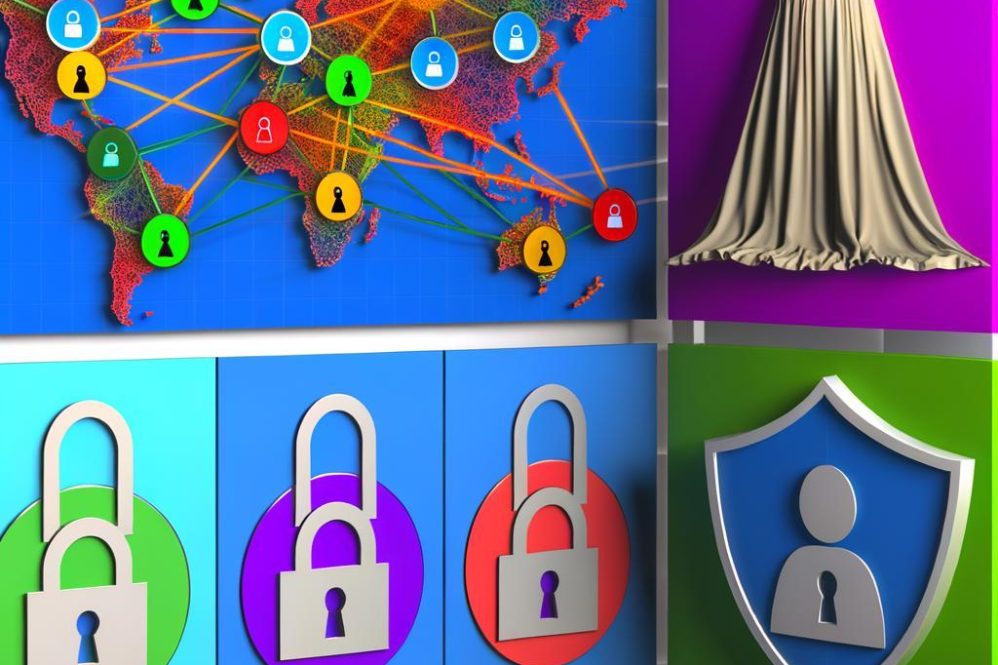
This study examines Nostr’s decentralized relay model, cryptographic key management, and messaging protocols, evaluating security guarantees, privacy trade-offs, and censorship resilience.

This study analyzes Nostr client architecture, relay-based communication, cryptographic key management, and threat models; identifies privacy and censorship limitations; and proposes practical enhancements.

This analysis evaluates Nostr’s decentralized architecture, cryptographic key model, and messaging protocol to assess security guarantees, privacy limitations, and resilience against censorship and network failures.

SHA-256 turns any data into a fixed 256-bit fingerprint, powering Bitcoin’s immutability, tamper detection and proof-of-work. This piece unpacks how the hash secures crypto networks.

Nostr Protocol proposes a minimalist, decentralized messaging architecture that prioritizes user-held keys, censorship resistance, end-to-end encryption, and privacy-preserving features for secure communication.

This paper analyzes Nostr’s decentralized messaging architecture, cryptographic key management, and relay-based protocol, assessing security guarantees, privacy trade-offs, and resilience against censorship.

This paper examines Nostr’s decentralized design, key management, and messaging protocols, analyzing security, privacy trade-offs, and implications for resilient, censorship‑resistant communication.
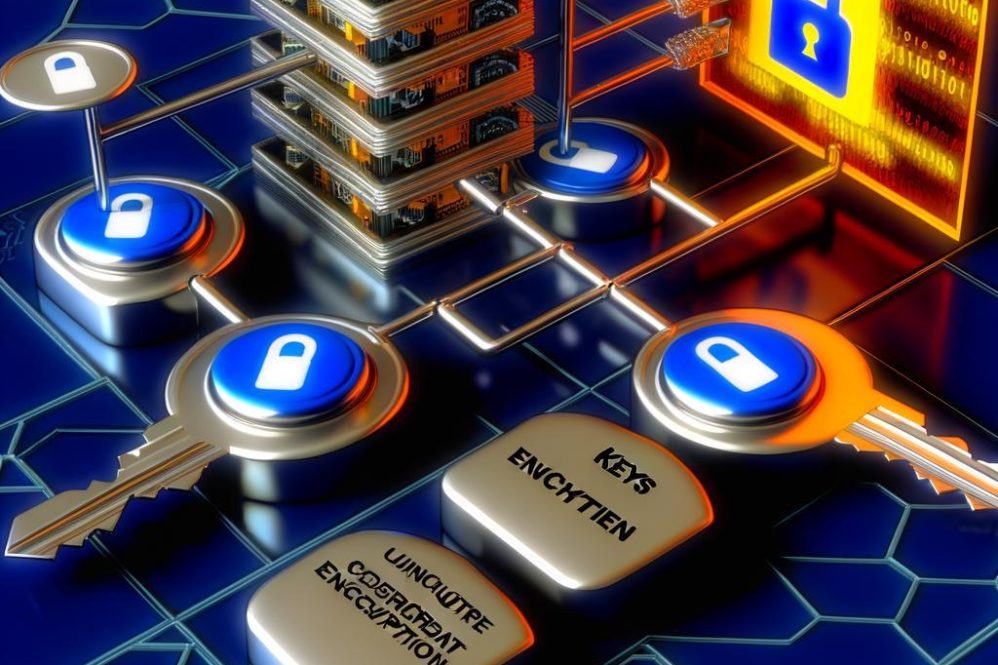
This article examines the Nostr protocol client’s decentralized architecture, key management, and message encryption, evaluating security trade-offs and proposing enhancements for privacy and resilience.