
What Is a Seed Phrase: Essential Guide to Crypto Keys
Seed phrases-12 to 24 human-readable words-are the master key to your crypto wallet. Learn how they enable recovery, why they’re critical to security, and best practices for storing them safely.

Seed phrases-12 to 24 human-readable words-are the master key to your crypto wallet. Learn how they enable recovery, why they’re critical to security, and best practices for storing them safely.

Forks split blockchains when protocol rules change: soft forks are backward-compatible tweaks; hard forks create new chains and communities. Understanding motives, risks and governance clarifies their impact.

A DEX, or decentralized exchange, lets users trade crypto peer-to-peer without intermediaries. It boosts privacy, reduces custody risk, and runs on smart contracts for transparent, permissionless trading.

A Bitcoin wallet stores cryptographic keys, not coins, enabling you to send and receive BTC. This practical guide outlines hot, cold, hardware and software wallets, plus security, backup and safe transfer practices.

Metall-Seed-Signer is a durable offline tool for storing Bitcoin seed phrases. Its hardware design prevents online exposure, simplifying secure backup and recovery while boosting privacy and long-term asset protection.

A hard fork is a protocol change that creates an incompatible blockchain split. This journalistic guide explains why forks happen, the technical and social risks, and how users are affected.

Discover Trezor: a hardware wallet that secures cryptocurrencies offline, protecting private keys from hacks. This guide explains setup, features, and best practices for safer asset management.
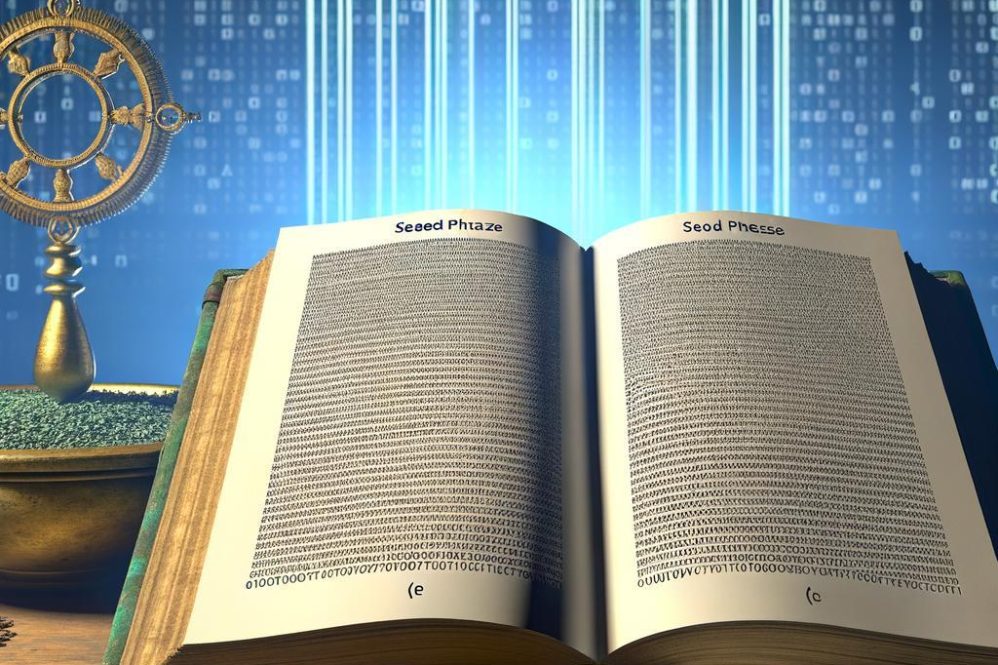
Seed phrases-12 to 24 human-readable words-are the master key to your crypto wallet. This guide explains how they work, why they’re critical, and best practices to store them safely.

Nocoiners are cryptocurrency skeptics who question digital assets’ value, citing volatility, regulatory gaps, scams, and environmental costs. Understanding their concerns clarifies debates on crypto’s future.
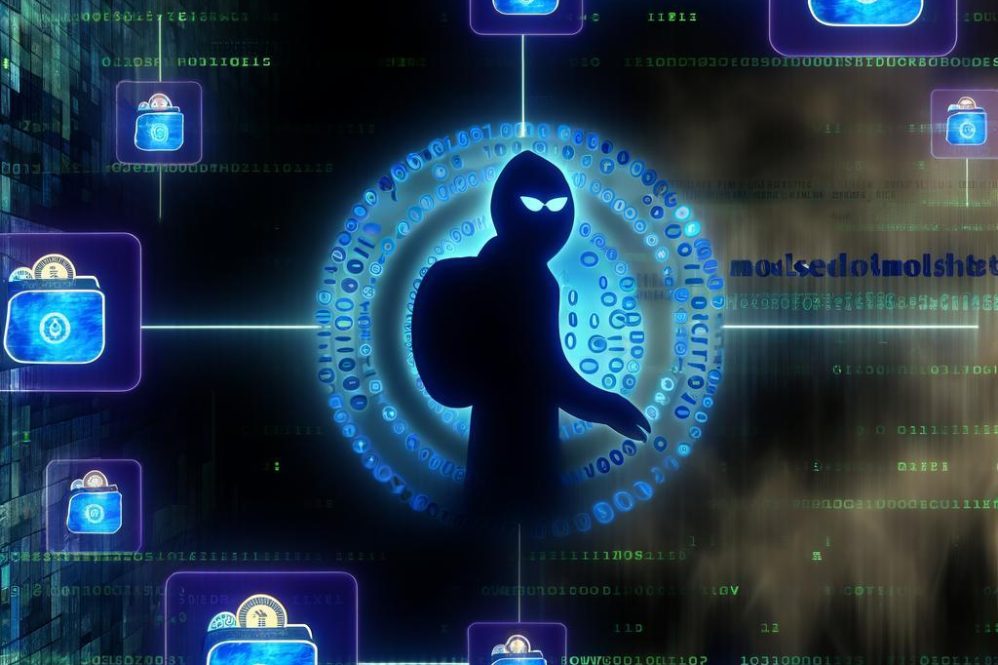
An invisible strain called ‘ModStealer’ is increasingly siphoning credentials from browser-based crypto wallets, exploiting extensions and DOM injections. Users should audit extensions, enable 2FA, and update browsers.