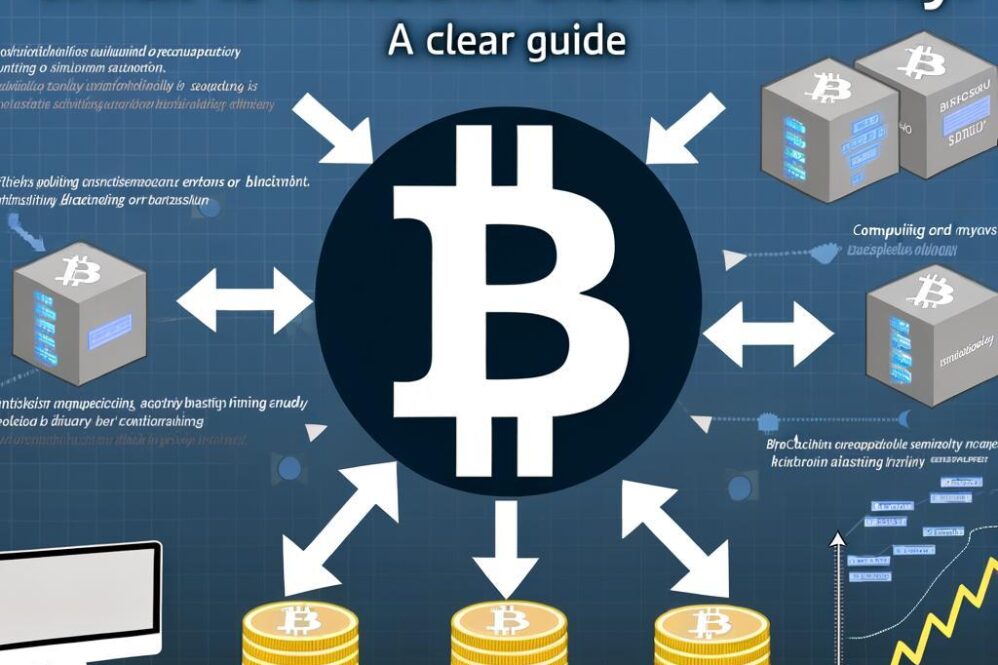
What Is Bitcoin Block Subsidy? A Clear Guide
Block subsidy is newly minted Bitcoin given to miners for each validated block, halving about every four years. This guide explains its mechanics, supply schedule and effects on mining and inflation.

Block subsidy is newly minted Bitcoin given to miners for each validated block, halving about every four years. This guide explains its mechanics, supply schedule and effects on mining and inflation.

Bitcoin’s block subsidy is a critical mechanism that rewards miners for validating transactions. Initially established at 50 BTC, this reward undergoes halving approximately every four years, reinforcing Bitcoin’s deflationary characteristics and managing its supply.
Bitcoin’s block subsidy, a crucial element of its reward system, dictates the incentives for miners verifying transactions. Initially set at 50 BTC, this reward halves approximately every four years, ensuring controlled supply and maintaining Bitcoin’s deflationary nature.
Block subsidy is a crucial component of Bitcoin mining, providing miners with incentives to validate transactions. This reward decreases over time, influencing supply and demand dynamics, and shapes the future of Bitcoin’s economy. Understanding this mechanism is vital for investors and enthusiasts alike.

Bitcoin Mining Difficulty Drops to Lowest Level Since March
Bitcoin’s mining difficulty has plummeted by 7.3% to 35.6 trillion, reaching its lowest level since March 2023. This significant adjustment reflects the recent downturn in the cryptocurrency market and the ongoing impact of the halving event. As a result, miners may experience increased profitability and reduced competition, potentially influencing the overall supply and price dynamics of Bitcoin.