
Stablecoin Reserves Explained: USDT, USDC, DAI and the Truth About “Proof”
Stablecoins promise the best of both worlds: crypto rails with dollar stability.
But that promise rests on a single question:
What’s actually backing the tokens?
This guide examines how the biggest dollar stablecoins structure reserves and what “proof of reserves” really means in practice.
We’ll look at:
- Tether (USDT)
- Circle (USDC)
- MakerDAO (DAI)
- And the mechanics of reserve attestations vs true audits
What “1:1 Backed” Is Supposed to Mean
A fully reserved dollar stablecoin should hold $1 of high-quality liquid assets for every $1 token issued.
In practice, reserves may include:
- Cash in banks
- Short-term U.S. Treasury bills
- Money market funds
- Secured loans
- Other crypto assets (for decentralized models)
The mix matters. Liquidity matters. Transparency matters.
USDT — The Largest, Most Debated


4
Issuer: Tether
Model: Centrally issued, fiat-backed
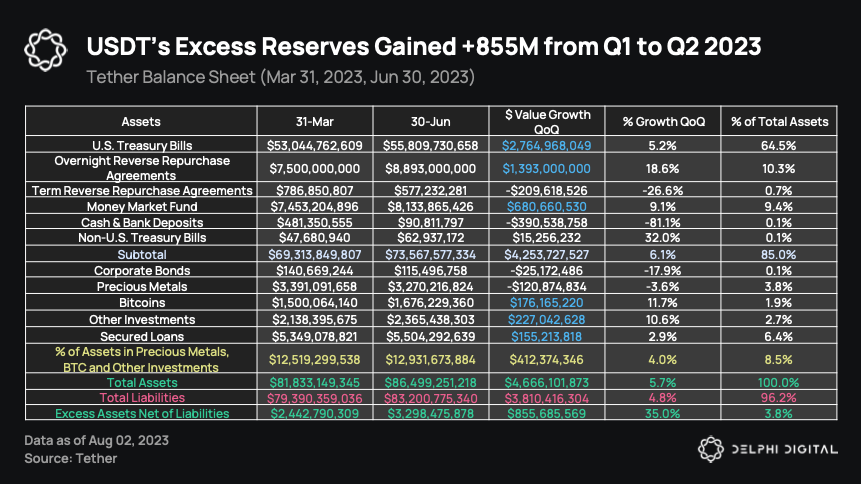
Primary reserves: U.S. Treasuries, cash equivalents, secured loans, other assets
Tether publishes quarterly attestations summarizing reserve composition. Over time, the company has shifted heavily toward short-term U.S. Treasuries, increasing perceived safety and liquidity.
Key point: These are attestations, not full audits. They confirm balances at a point in time based on documents provided.
Risk lens
- Counterparty and banking exposure
- Opaque corporate structure
- Reliance on attestations rather than audits
Yet, USDT remains the most liquid stablecoin globally, especially on exchanges outside the U.S.
USDC — The Compliance-First Stablecoin


4
Issuer: Circle
Model: Centrally issued, fiat-backed
Primary reserves: Cash and short-term U.S. Treasuries held with regulated custodians
Circle provides monthly attestations and emphasizes relationships with regulated U.S. financial institutions.
Strengths
- High transparency cadence
- Conservative reserve mix
- Clear redemption pathways
Trade-off
- Heavily exposed to the U.S. banking system (as seen during regional bank stress events)
- Censorship capability at the smart contract level
DAI — Crypto-Collateral with a Fiat Spine
4
Issuer: MakerDAO
Model: Overcollateralized crypto + real-world assets
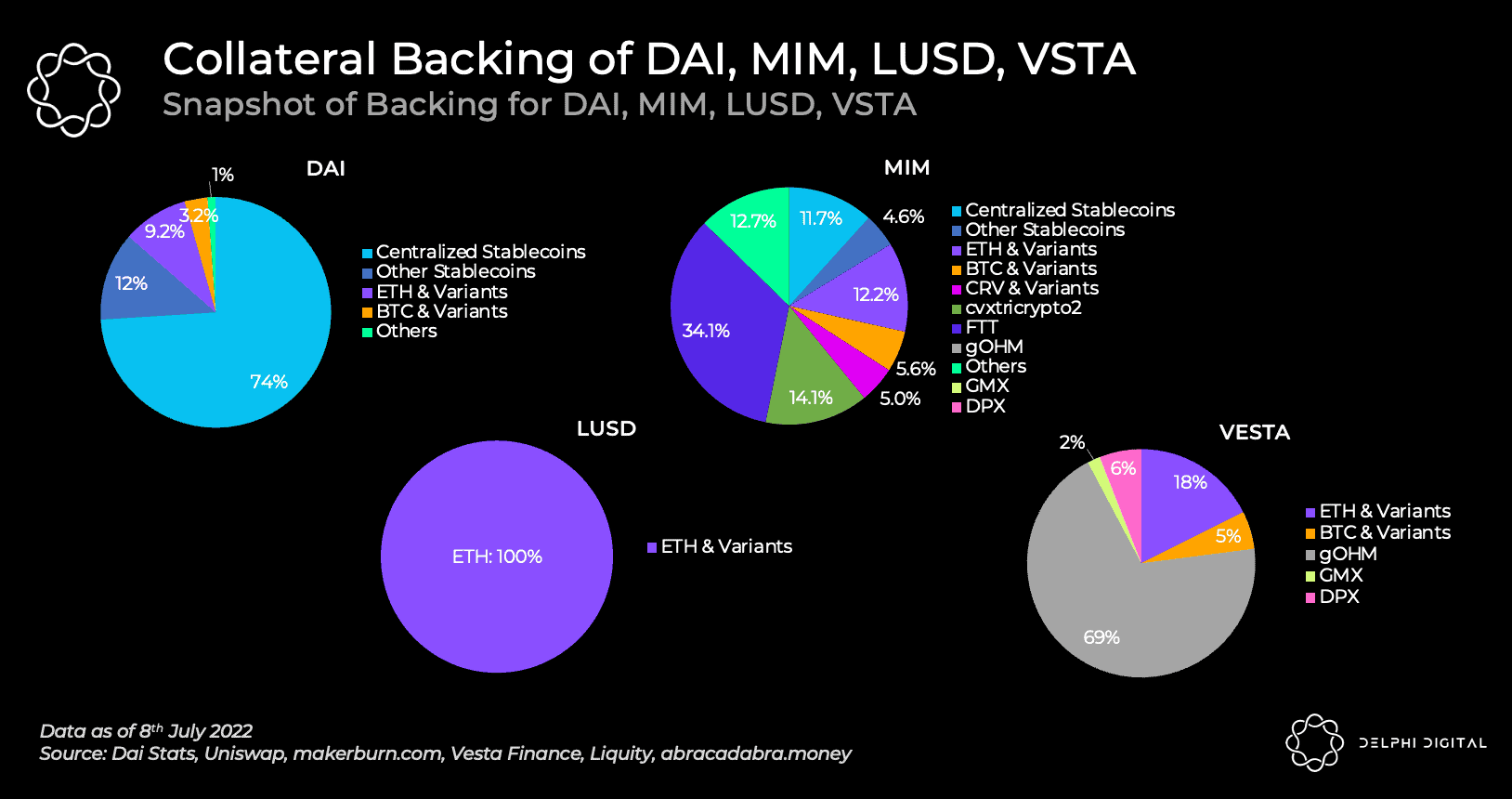
Reserves: ETH, USDC, tokenized Treasuries, other collateral
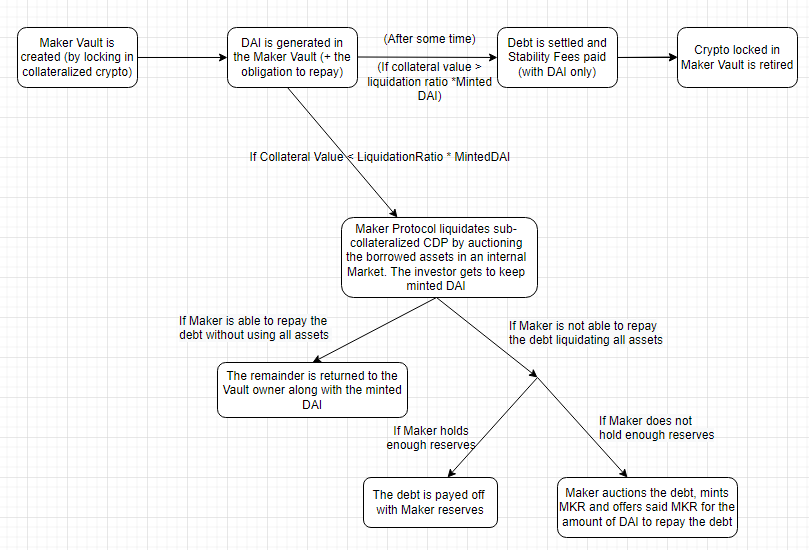
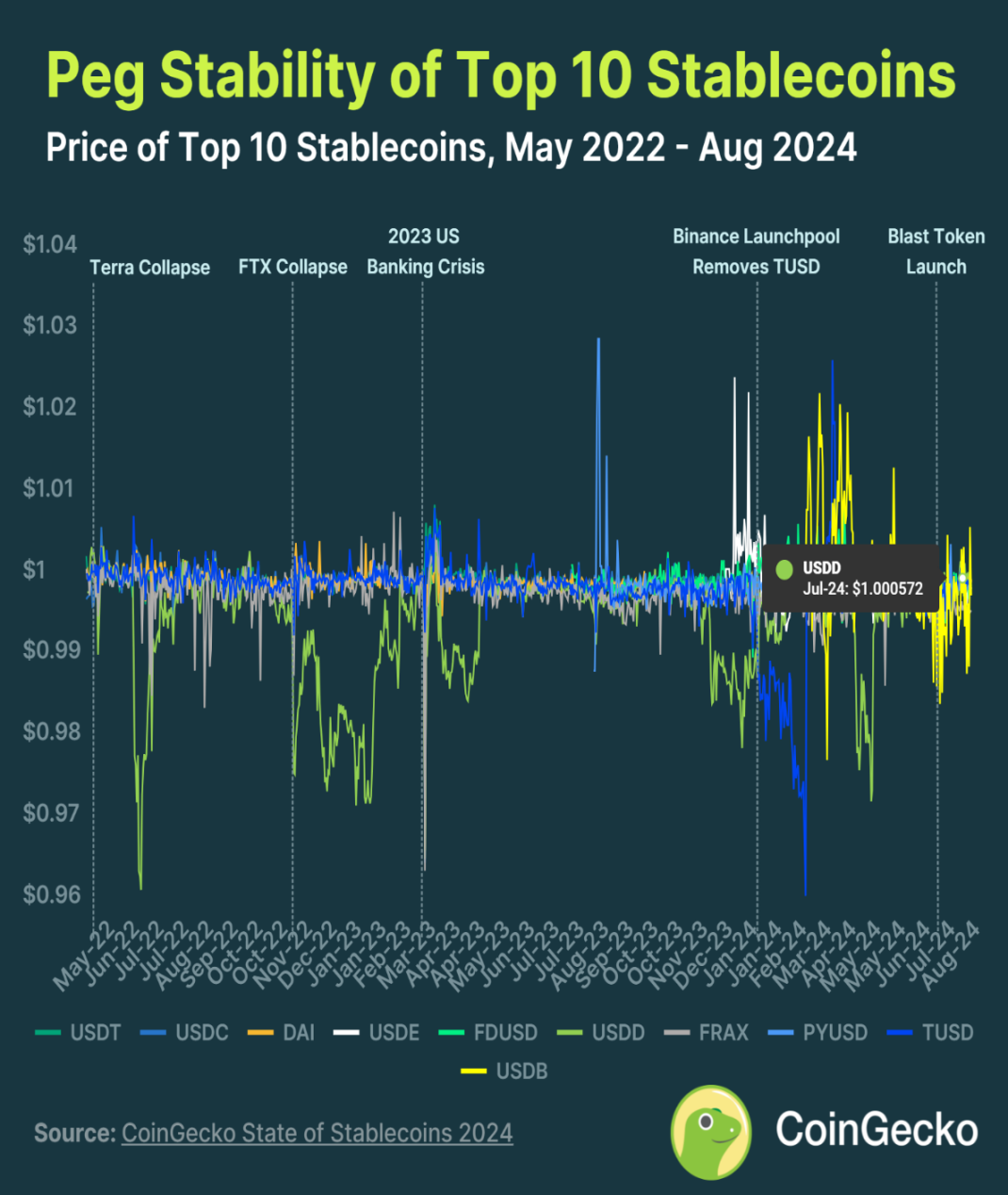
DAI is minted when users lock collateral into smart contracts. Historically crypto-backed, DAI now relies significantly on USDC and tokenized Treasury exposure to maintain peg stability.
Key insight: DAI is decentralized in governance, but partially centralized in collateral.
Risk lens
- Smart contract risk
- Dependence on USDC for stability
- Market volatility of crypto collateral
Attestation vs Audit — Why the Words Matter
| Term | What It Means | What It Doesn’t Mean |
|---|---|---|
| Attestation | Accountant verifies documents at a date | No continuous oversight |
| Audit | Deep review of systems, controls, liabilities | Rare among stablecoin issuers |
| Proof of reserves | Snapshot of assets | Often omits full liabilities picture |
A reserve report can show assets exist that day without proving they’re unencumbered, liquid under stress, or matched perfectly to liabilities at all times.
Comparative Reserve Philosophy
| Stablecoin | Reserve Style | Transparency | Main Risk Vector |
|—|—|—|
| USDT | Broad basket, Treasury-heavy | Quarterly attestation | Corporate opacity |
| USDC | Cash + Treasuries | Monthly attestation | Banking system exposure |
| DAI | Overcollateralized crypto + RWAs | On-chain visibility | Collateral dependence on USDC |
What “Proof” Should Ideally Look Like
A gold standard would include:
- Real-time asset reporting
- Full liability disclosure
- Independent, recurring audits
- Clear legal claim for token holders
- Stress-test liquidity scenarios
No major stablecoin fully meets all five today.
Why This Matters for Bitcoin Users
Many Bitcoiners touch stablecoins for:
- Exchange liquidity
- Dollar parking during volatility
- Cross-border transfers
Understanding reserves helps you decide how long you’re comfortable holding one.
Stablecoins are excellent transactional tools.
They are weaker as long-term savings vehicles compared to self-custodied Bitcoin.
Final Takeaways
- “1:1 backed” depends on what the “1” is made of
- Attestations are snapshots, not full assurance
- USDT prioritizes liquidity scale
- USDC prioritizes regulatory clarity
- DAI prioritizes decentralization, but leans on fiat rails
- None are perfect substitutes for holding dollars in a bank—or Bitcoin in self-custody
Use stablecoins for what they’re best at: moving value, not storing wealth indefinitely.
USDT
USDC
DAI
Reserve proofs
