
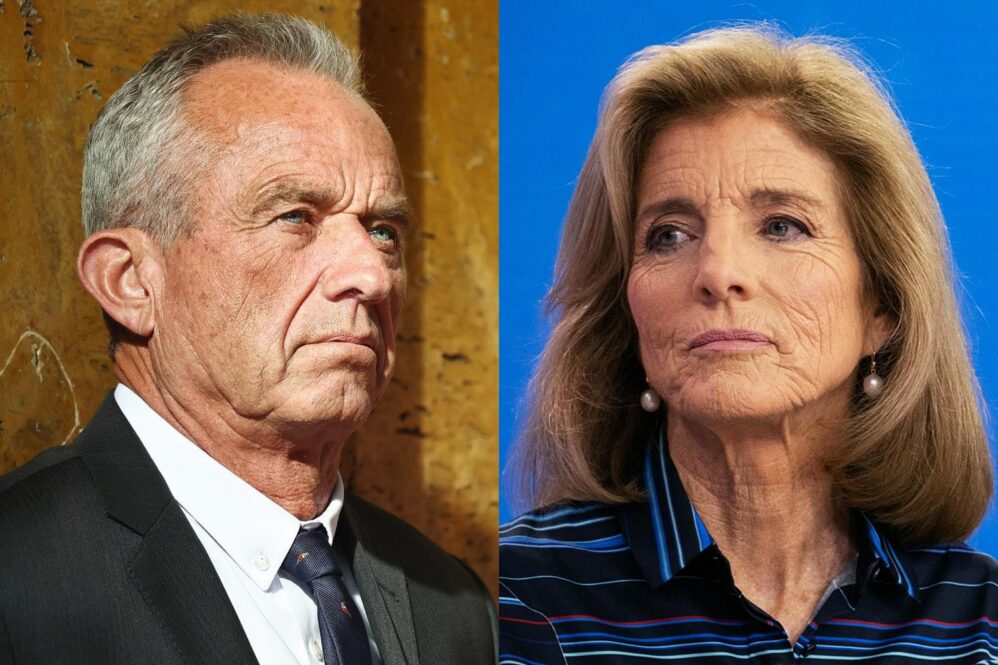
In a recent statement that has ignited fierce debate and concern among health professionals, Robert F. Kennedy Jr., an environmental attorney and prominent vaccine skeptic, made a startling claim linking vaccines to adverse effects on the Black community. Kennedy’s declaration, which has rapidly circulated on social media and within various activist groups, has drawn sharp criticism from medical experts who warn that such rhetoric could exacerbate vaccine hesitancy and deepen health disparities within marginalized populations. As public health officials strive to address misinformation and its consequences, the ramifications of Kennedy’s assertions highlight the urgent need for clarity and education in the ongoing dialog about vaccines, race, and health equity.
RFK Jr.’s Controversial Vaccination Remarks Trigger Alarm Among Health Professionals
In recent statements, Robert F. Kennedy Jr. has made claims regarding vaccinations that have raised notable concern among health professionals. His assertion that certain vaccines are disproportionately harmful to Black individuals has ignited a vigorous debate within the medical community. Experts are alarmed by these comments, as they worry that misinformation may exacerbate existing health disparities and fuel vaccine hesitancy, especially within communities of colour. This dialogue comes at a time when the importance of vaccination in preventing diseases is more crucial than ever.
Health authorities have emphasized the importance of relying on science-based evidence to guide public health decisions. According to the Centers for Disease Control and Prevention (CDC), vaccines undergo rigorous testing and monitoring to ensure their safety across all demographics. Medical professionals urge the public to understand the risks of rejecting vaccinations, citing a potential rise in preventable diseases and outbreaks. They encourage community discussions that focus on the benefits of vaccinations, which include:
- protecting individual health by preventing illnesses
- Contributing to herd immunity for vulnerable populations
- Reducing the financial burden of treating preventable diseases
The Implications of Misinformation on Public Health and Vaccine Trust
The recent comments made by RFK Jr. regarding vaccines and their effects on specific racial groups have ignited intense scrutiny among public health officials and medical experts.Misinformation in this arena not only undermines public trust in vaccination campaigns but also exacerbates existing disparities in health outcomes. Medical professionals are particularly concerned that such statements could lead to increased hesitancy among communities already vulnerable to misinformation, deterring individuals from seeking vaccines that are essential for preventing infectious diseases. This lack of trust may further contribute to the widening gap in health equity, impacting overall community wellness and resilience.
Experts emphasize the importance of clear, evidence-based communication to combat the spread of misleading narratives surrounding vaccines. Public health campaigns must include accurate information that counters these claims and promotes understanding of vaccine safety and efficacy. The potential ramifications of not addressing these issues could be dire, leading to lower vaccination rates and resurgence of preventable diseases.Stakeholders are urged to prioritize engagement with community leaders and healthcare providers to build a solid foundation of trust and restore confidence in vaccines, particularly among historically marginalized populations.
Experts Urge Responsible Communication to Mitigate Vaccine Hesitancy
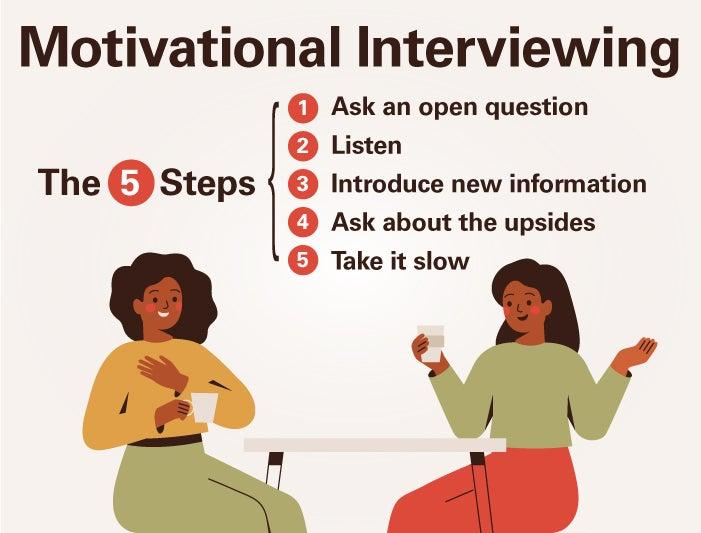
In the wake of contentious remarks made by Robert F. Kennedy Jr. regarding vaccines and their implications for Black communities, a collective wave of concern has arisen among public health officials and vaccination advocates. They emphasize the necessity for a deliberate and sensitive approach in discussions about vaccines, particularly among communities that have historically been marginalized. Medical experts argue that misinformation, especially when it intersects with race, can exacerbate existing disparities in health outcomes. To address these challenges effectively, they recommend that communicators prioritize the following strategies:
- Evidence-Based Messaging: Share accurate information supported by scientific research to counter myths.
- Community Engagement: Involve leaders from affected communities to foster trust and understanding.
- Education Initiatives: Implement programs that demystify vaccines,addressing specific concerns and questions.
Moreover, experts highlight the importance of crafting messages that resonate with specific cultural contexts. Engaging stories that emphasize shared values and the collective benefits of vaccination may lead to increased acceptance. A recent survey underscored the disparities in vaccine uptake, revealing that targeted outreach could potentially sway those on the fence.Below is a snapshot of vaccine hesitancy rates among different demographics:
| Demographic Group | Vaccine Hesitancy Rate (%) |
|---|---|
| Black Adults | 65 |
| Hispanic Adults | 45 |
| White Adults | 25 |
To Conclude
As the public discourse around vaccines continues to evolve, the claims made by Robert F. Kennedy Jr. have ignited a significant debate, raising concerns among medical experts and communities alike. The implications of his statements not only touch on issues of public health but also delve into the fraught history of race and medical mistrust in the United States. Health professionals emphasize the importance of relying on robust scientific evidence and promoting dialogue that prioritizes facts over misinformation.As the conversation unfolds, it remains crucial for all stakeholders to engage responsibly and thoughtfully to ensure the health and well-being of all communities, particularly those that have historically faced disparities in healthcare access and treatment. Moving forward, a united effort is needed from public health advocates, policymakers, and community leaders to address these concerns and foster trust in vaccinations as a vital tool for public health.


