
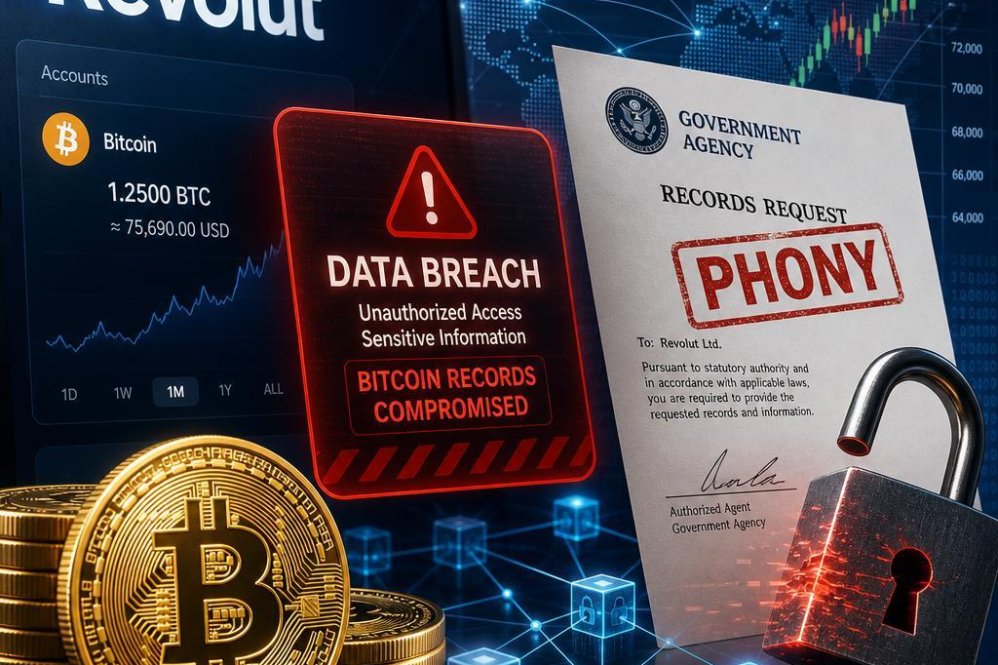
Revolut Security Vulnerability Emphasizes Cryptocurrency Privacy Challenges
Recently, a meaningful security issue was uncovered at Revolut, a well-known financial service provider. This incident has sparked serious concerns about privacy in the cryptocurrency domain.The vulnerability compromised user data, possibly exposing sensitive data related to crypto transactions. Despite Revolut’s reputation for ease of use and convenience, this incident underscores the inherent risks associated with centralized services that manage digital assets.
Cryptocurrency users frequently depend on platforms like Revolut for the convenience of managing multiple financial services through a single interface. However, this convenience comes with a trade-off: centralized services introduce single points of failure that hackers can exploit. Given that cryptocurrency’s core principle is decentralization to protect user privacy and security, this vulnerability is especially alarming.
The breach serves as a stark reminder of the need for robust security measures across all cryptocurrency platforms. Users are advised to remain vigilant and regularly review their account security settings. Considering more decentralized or wallet applications that offer greater control over personal data can also be a prudent move. Balancing convenience with security remains a critical challenge in the digital finance sector.
Analyzing the Recent Revolut Data Incursion
The recent data breach at Revolut, a leading cryptocurrency and financial services platform, highlights the growing complexities and challenges in the digital wallet sector. Unauthorized access to customer databases exposed personal details such as email addresses and phone numbers, but crucially, no financial information or login credentials were compromised. This distinction is crucial,as it reassures users that the financial safety of their accounts remains intact.
The nature of the breach involved sophisticated cyber threats that bypassed multiple layers of Revolut’s security protocols. Such breaches often result from phishing attempts, exploiting software vulnerabilities, or insider threats. Understanding these vulnerabilities is essential, as they serve as entry points for attackers looking to infiltrate secure networks.The broader cybersecurity community can learn from this incident, as it underscores the evolving nature of cyber threats and the necessity for constant vigilance and iterative improvements in security practices.
Revolut’s response to the breach, including the immediate activation of monitoring tools and the notification of affected users, demonstrates a proactive approach to mitigating the impact of such incidents. This response is crucial in maintaining user confidence and trust.
Regulatory Consequences of the Recent Breach
The aftermath of significant breaches, like the one at Revolut, has intensified discussions around data protection and privacy regulations within the crypto industry. Regulatory bodies worldwide are working to implement safeguards that protect users while fostering innovation in the cryptocurrency space.
Central to these efforts is the establishment of strict criteria for the storage and management of digital assets. Cold wallets, which are offline storage solutions separated from the internet, have become a favored method for securing cryptocurrencies. However, the efficacy of such measures is only as reliable as the regulatory oversight that governs their use. Compliance with these regulations involves ensuring that exchanges and custodians demonstrate genuine commitment to user security through rigorous auditing, clear policies, and transparent reporting mechanisms.
Regulators face the challenge of balancing necessary oversight with the rapid pace of innovation in the cryptocurrency market.Effective regulation will require continuous updates and collaboration between governments and the private sector to ensure the integrity and security of digital assets.
Securing Your Bitcoin Transactions
Protecting your Bitcoin records from unauthorized access is crucial in today’s complex cyber landscape.Users must take proactive measures to safeguard their digital assets. Securing your private keys,the unique cryptographic codes that grant control over your Bitcoin holdings,is a critical first step. Storing these keys offline in hardware wallets or encrypted files is essential.
Strong passwords and multi-factor authentication (MFA) also play a vital role in protecting your Bitcoin records. Weak passwords can be easily compromised, allowing attackers to breach your accounts.MFA adds an additional layer of security, requiring both something you know and something you have to access your funds.
Being vigilant against phishing attacks and social engineering tactics is essential. Always verify the authenticity of emails and links related to your cryptocurrency accounts. Education and awareness are powerful tools in the fight against these sophisticated schemes. By staying informed and cautious,users can better protect their Bitcoin records from unauthorized transactions and other malicious activities.