In the ever-evolving landscape of artistry and cultural expression, rainbows represent more than mere meteorological phenomena; they have become powerful symbols woven into the fabric of societal narratives. From being a sign of hope and unity to a portrayal of diversity and inclusion,rainbows evoke a spectrum of emotions and meanings across various communities. This news piece explores the multifaceted significance of rainbows in contemporary culture, examining how they inspire movements for change and foster connections among people from different backgrounds. As we delve into the vibrant spectrum of what rainbows symbolize today,we uncover stories that reflect resilience,creativity,and the collective human spirit.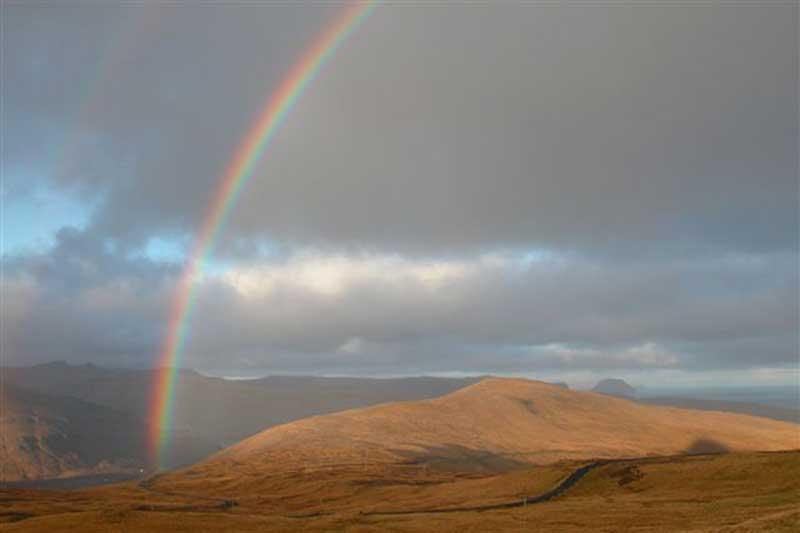
Exploring the Significance of Rainbows in Nature and Culture
Rainbows are more than mere atmospheric phenomena; they have a profound presence in both nature and human culture. Scientifically, they occur when sunlight refracts, reflects, and disperses through water droplets in the atmosphere, creating a spectrum of colors. This optical illusion captivates millions every year, symbolizing hope and promise. cultural interpretations enrich this natural spectacle,with many societies viewing rainbows as bridges between the earthly and divine realms. In various mythologies, they signify everything from peace to good fortune.
The symbolism of rainbows extends into contemporary culture, where they often embody diversity and unity.In today’s world, they serve as powerful emblems in movements advocating for equality and acceptance. Rainbows appear in art, literature, and media, resonating with people on multiple levels. Key meanings associated with rainbows:
- hope: A beacon after the storm.
- Unity: A symbol of diversity and togetherness.
- Inspiration: A reminder of beauty following adversity.
These sentiments contribute to the enduring legacy of rainbows, confirming their significance across cultures and time periods.
understanding the Science Behind the Formation of Rainbows
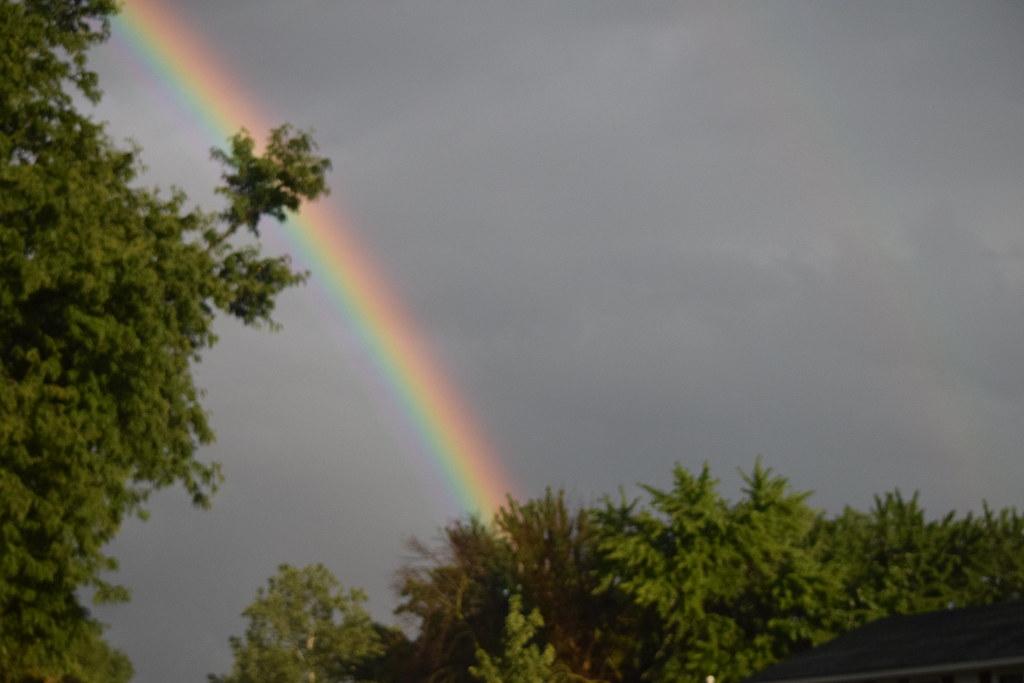
The formation of rainbows is a stunning natural phenomenon that results from the interaction of sunlight with water droplets in the atmosphere. As light passes through a droplet, it undergoes refraction, which bends the light and separates it into its constituent colors. This process is followed by internal reflection as the light bounces off the inner surface of the droplet, and a second refraction occurs as the light exits the droplet, leading to the beautiful spectrum of colors we see.The angles at which these processes occur create specific conditions for the visibility of rainbows, with a typical angle of about 42 degrees observed for the brightest part of the arc.
- Refraction: Bending of light as it enters the droplet.
- Internal Reflection: Light bouncing off the droplet’s inner surface.
- Second Refraction: Light bending again as it exits the droplet.
Rainbows often appear as circular arcs,but due to the ground obstructing the bottom half,we see onyl a semi-circle. The array of colors is famously ordered as red, orange, yellow, green, blue, indigo, and violet. Interestingly, the formation of a double rainbow, where a secondary, fainter rainbow appears outside the primary arc, occurs due to light refracting twice within some droplets. The secondary rainbow features its colors in reverse order due to the extra reflection, demonstrating the complex interplay of light and water that brings these captivating arcs to life.
| Color | Wavelength (nm) |
|---|---|
| Red | 620-750 |
| Orange | 590-620 |
| yellow | 570-590 |
| Green | 495-570 |
| Blue | 450-495 |
| Indigo | 425-450 |
| Violet | 380-425 |
The Role of Rainbows in Art and Symbolism Throughout History
Throughout history, rainbows have held profound significance in various cultures, frequently enough symbolizing hope, promise, and connection between the earth and the divine. From biblical references, where Noah sees the rainbow as a sign of God’s covenant, to ancient mythology, where it was seen as a bridge for gods to descend to earth, the spectrum of colors has inspired countless artists and storytellers. Notable artistic representations include:
- Jacques-Louis David’s “The Intervention of the Sabine Women,” depicting a rainbow signifying peace.
- Thomas Cole’s landscapes that utilize rainbows to symbolize transcendent beauty and reflection on nature.
- Contemporary works, such as those by Kimsooja, integrating the rainbow motif into installations that evoke dialog about identity and belonging.
Symbolically, rainbows represent dualities, bridging contrasts such as chaos and order, earthly life and spiritual eternity. In modern contexts, they’ve evolved to embrace diversity and inclusion, particularly within the LGBTQ+ community, where the rainbow flag has become an emblem of pride and unity.Cultural impacts of rainbows are evident in:
- Literature, where they often symbolize the end of trials and the beginning of better days.
- Fashion, influencing how colors are interpreted in clothing collections promoting inclusivity.
- Environmental art, which uses rainbows to advocate for climate awareness, highlighting the beauty of nature that must be preserved.

Promoting Environmental Awareness Through the Beauty of Rainbows
Rainbows, with their vivid spectrum of colors, serve as a powerful symbol of hope and renewal in nature.As they appear after storms,they remind us of the beauty that can emerge from challenging times. This natural phenomenon invites reflection on the delicate balance of our ecosystems. By harnessing the visual appeal of rainbows, we can foster a deeper appreciation for our environment. Communities around the globe are utilizing rainbow imagery in campaigns to highlight the urgency of protecting our planet, emphasizing the interconnectedness of all living things.
To further promote environmental awareness,educational initiatives are incorporating rainbows as a visual tool in their messaging. These programs aim to inspire action through engaging activities and thought-provoking discussions. For instance, local artists are collaborating with schools to create rainbow-themed murals that not only beautify neighborhoods but also convey important ecological messages. By embracing creative expressions that evoke the wonder of nature, we can nurture a culture of sustainability and encourage future generations to cherish and protect our world.
To Conclude
As we conclude this exploration of the phenomenon known as “RAINBOW,” it becomes clear that its impact extends far beyond mere visual appeal. As a symbol of diversity and hope,RAINBOW has now woven itself into the fabric of social movements,art,and culture globally. The conversations it inspires and the communities it unites reflect a growing acknowledgment of the importance of inclusivity and representation in our society. As we look to the future, one can only anticipate how this vibrant icon will continue to shape dialogues and inspire change, encouraging us to celebrate the beauty in our differences. The journey of RAINBOW is ongoing,and its potential to influence positive social progress remains as significant as ever.