
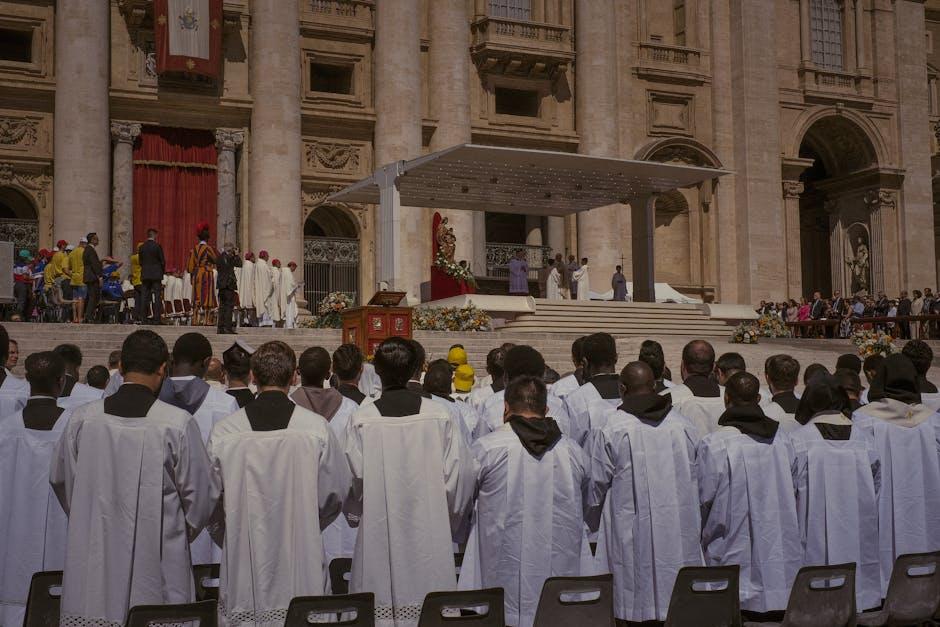
Pope Francis is currently facing a serious health crisis, as reports indicate that he is in critical condition due to early kidney failure. Despite this alarming diagnosis, sources close to the Vatican reveal that the 87-year-old pontiff remains alert and engaged, offering solace to a worried global community.As prayers and well-wishes flood in from devotees around the world, the beloved leader of the Catholic Church continues to inspire hope amidst uncertainty, prompting urgent discussions about his health and the future of his papacy in these trying times.
Pope Francis Faces Early kidney Failure Amidst Global Outpouring of prayers
Pope Francis is reportedly facing a serious health challenge as early signs of kidney failure have emerged, prompting urgent medical attention.despite his critical condition, sources within the Vatican indicate that the pontiff remains alert and engaged, comforting those around him with his presence. As details of his health situation continue to unfold, a global wave of prayers and well-wishes has surged, with devotees from various faiths uniting to express their support. This outpouring reflects the deep admiration and respect that many hold for the Pope as a spiritual leader.
Health experts emphasize the importance of monitoring kidney function closely and have indicated that early intervention may play a crucial role in managing the situation. While the Vatican has not released an extensive medical report, it has assured the public that Pope Francis is receiving compassionate care from a dedicated team of healthcare professionals. Congregations around the world have been encouraged to participate in prayer vigils, focusing on the theme of healing and hope. Many churches are establishing special services in honor of the Pope,reinforcing the collective faith in his recovery:
- Prayers for Healing: Special masses dedicated to the Pope’s health.
- Community Support: Initiatives encouraging communal gatherings for prayer.
- Global Solidarity: Messages of support flooding social media from world leaders and grassroots movements alike.

Expert Insights into Health Challenges for aging Popes and Their Impact on Leadership
The health challenges faced by aging leaders, particularly popes, can profoundly affect their roles and dynamic within the Church. Pope Francis, currently battling early kidney failure, is a poignant example of how age-related health issues can overlap with the responsibilities of spiritual leadership. Many experts highlight that these health struggles considerably impact decision-making, pastoral care, and the overall morale of the clergy and faithful. The aging process often leads to increased vulnerability to conditions such as diabetes, hypertension, and kidney ailments, which can limit a pope’s capacity to engage fully in their demanding schedule. Despite these challenges, Pope Francis remains alert and dedicated, demonstrating resilience even as he contends with serious health concerns.
As the papacy is inherently a position of both spiritual and administrative authority, any decline in health can usher in periods of uncertainty regarding leadership continuity. Historical precedents suggest that such health crises can lead to discussions of succession and authority within the Church. Observers have noted that during past health challenges faced by popes, there were periods of increased reliance on cardinals and other leaders to navigate church governance. This situation frequently enough fosters a collaborative approach to leadership but can also bring issues of authority to the forefront, prompting necessary dialog among Church members about the future direction under a possibly incapacitated pope. As prayers and support pour in for Pope Francis, the emphasis on his health underscores the delicate balance between physical well-being and the weight of papal responsibilities.

Recommended Actions for Followers and Supporters During This Critical Time
As the world rallies in support of Pope Francis during this critical health scare, followers and supporters are encouraged to engage in meaningful actions. Expressing solidarity is vital; individuals can participate in prayer vigils, either in person or virtually, to unify their intentions for the Pope’s recovery. Additionally, reaching out within communities to promote discussions on faith and resilience can help sustain morale among those concerned for the pontiff’s health. Sharing personal stories or reflections on how Pope francis has impacted their lives can also serve to inspire others at this time.
Furthermore, it is vital for supporters to stay informed through reliable news sources, avoiding misinformation that can exacerbate concerns. Social media can be a powerful tool; followers should consider using it to share uplifting messages and encourage others to remain hopeful. Organizing local gatherings to pray for Pope Francis or volunteering in charitable activities that reflect his teachings can foster a sense of community and purpose. Lastly, showing support through messages of encouragement directed to the Vatican can also demonstrate solidarity and hope during this challenging period.
Key Takeaways
As Pope Francis continues to face critical health challenges due to early kidney failure, his resilience remains a beacon of hope for millions around the world. Despite the severity of his condition, the pontiff’s alertness and commitment to his duties have inspired a wave of prayers and solidarity from the global faithful. As updates about his health emerge, the Vatican calls for continued prayers for healing and strength.The situation underscores not only the fragility of life but also the profound connections formed through faith,as people unite in hope for the leader of the catholic Church. Further developments will be closely monitored, and the world remains hopeful for a positive turn in the Pope’s health.


