
In a move that has ignited fierce debate among climbers and environmentalists alike, the nepalese government has announced a new rule for Mount Everest expeditions, mandating that all climbers must now acquire a local guide and participate in community-led initiatives during their ascents. Proponents argue that the regulation enhances safety and supports the local economy, while critics decry it as an infringement on personal freedom and an attempt to impose government control on the once-fragmented mountaineering culture. “I felt my government was right,” stated one local climber, reflecting the mixed sentiments that this policy has stirred in the climbing community. As the summit of the world’s highest peak becomes a focal point for this ongoing controversy, the implications of this rule are far-reaching, raising crucial questions about access, regulation, and the future of Everest as a climbing destination.
New Regulations at Mt. Everest: Impacts on Climbing Culture and Tourism
Recent changes to regulations governing expeditions on Mt. Everest have ignited a heated debate within both the climbing community and the tourism sector. The Nepali government has imposed stricter rules on climbers, including mandatory cultural sensitivity training and a limited number of summit permits issued each season. Many local guides and operators have expressed concerns that these new regulations may diminish the allure of climbing the mountain, potentially leading to fewer tourists. “It’s a double-edged sword,” remarks local guide and long-time everest climber, Rajesh Thapa. “The government’s intentions are to protect the mountain and its culture, but these restrictions could dissuade climbers who seek adventure and challenge.”
Supporters of the new rules argue that the changes are necessary for sustainability and safety. Key impacts of the regulations include:
- Enhanced Safety Protocols: Ensuring climbers are better prepared for the harsh conditions.
- Cultural Preservation: Increased emphasis on respecting local traditions and minimizing environmental impact.
- Economic Adjustment: A potential decrease in climbers may lead to renewed focus on eco-tourism and alternative trekking routes.
Despite the controversy, many believe that these regulations could ultimately lead to a more responsible approach to high-altitude tourism. There is optimism that, in the long run, these measures will help to balance the needs of climbers with the preservation of both Everest’s cultural significance and its ecological integrity.

Local Voices Weigh In: Perspectives on Government’s Decision and Its Implications
As news of the government’s stringent new regulations for climbers on Mt. everest spreads, local residents have voiced a spectrum of opinions, reflecting diverse cultural and environmental considerations. Many in the Sherpa community support the measures, emphasizing the need for sustainability and safety on the world’s highest peak. “We have seen to many accidents, and it is time to ensure that both the mountain and the climbers are respected,” said local guide Tashi Sherpa. Supporters of the regulation argue that by limiting the number of climbers and enforcing stricter guidelines, the government is taking a necessary step to preserve the fragile ecosystem surrounding Everest and protect the lives of those who attempt to conquer its heights.
Conversely, some climbers and adventure seekers express frustration, viewing the rules as an infringement on personal freedom and a deterrent to tourism. “It feels like the government is placing unnecessary barriers to access,” lamented experienced climber and blogger Jake Thompson. Critics argue that these decisions come at the cost of Nepal’s economy, primarily reliant on the influx of trekkers and mountaineers. The debate continues to unfold, showcasing the tension between conservation efforts and economic vitality, as locals grapple with the long-term implications of these controversial regulations.
Guidelines for Climbers: Navigating the New Rules for a Safer Everest Experience
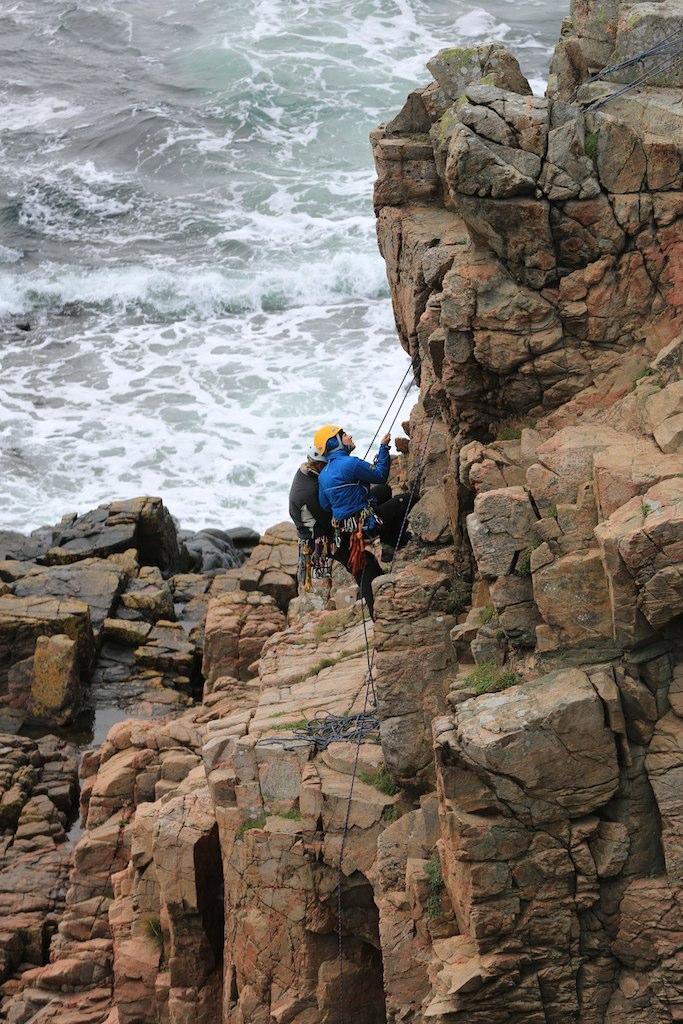
The recent introduction of new regulations for climbers attempting to summit Mount Everest has stirred debate among the climbing community and adventure enthusiasts alike. These rules, aimed at enhancing safety and environmental sustainability, have sparked differing opinions regarding their necessity and implementation. Many climbers are questioning how these changes will affect their climbing experience,with some expressing concern over their potential limitations. Key points include:
- Mandatory Training: All climbers must now complete a certified training program prior to attempting the ascent.
- Guided expeditions: Solo climbs are prohibited; all expeditions must now enlist licensed guides.
- Environmental duty: Climbers are required to adhere to strict waste disposal rules,ensuring minimal impact on the pristine environment.
As these rules come into effect, a new dialogue emerges around the balance between adventure and safety. Many hope that these guidelines will not only protect climbers but also preserve the mountain’s fragile ecosystem for future generations. Though,some veteran climbers argue that the essence of mountaineering lies in personal challenge and risk-taking. The following table illustrates the newly established guidelines versus the previous norms:
| Previous Norms | New Guidelines |
|---|---|
| Climbers could train independently. | Mandatory certified training required. |
| Solo climbs were permitted. | Only guided expeditions allowed. |
| No formal waste disposal rules. | Strict environmental rules enforced. |
Wrapping Up
As climbers and environmental advocates continue to debate the implications of this new regulation, the future of mount everest remains uncertain. While some applaud the initiative as a necessary step towards sustainable tourism,others see it as an infringement on personal freedom and tradition. The government’s stance reflects a growing recognition of the need to balance adventure with responsibility. As the discussion unfolds, it will be essential to monitor how these changes affect both the climbing community and the pristine ecosystem of the world’s highest peak. The decision has not only ignited passions but also raised critical questions about the role of regulation in one of nature’s most revered locations. Only time will tell how these controversies will shape the experience of those who seek to conquer Everest in the years to come.


