

As the chilly grip of winter begins to loosen, many gardeners are eagerly sketching their plans for the upcoming planting season.This year,my backyard garden will not only serve as a sanctuary of greenery and growth but also as a source of emotional well-being. With research increasingly highlighting the mental health benefits of gardening—ranging from reduced stress to improved mood—the act of cultivating plants transcends mere horticulture.In 2024, I intend to create a vibrant tapestry of flowers, vegetables, and herbs that not only nourishes the body but also nourishes the soul. As I prepare for the planting season, I’m excited to explore how my garden can become a vital space for creativity, mindfulness, and emotional restoration.
exploring the Therapeutic Effects of Gardening on Mental Well-being
The connection between individuals and their green spaces serves as a profound source of emotional healing and mental clarity. Recent studies indicate that engaging in gardening can considerably reduce stress levels, leading to an enhanced sense of well-being. Activities like planting, watering, and caring for plants foster mindfulness, drawing attention away from daily worries. Moreover, the act of nurturing life not only contributes to personal satisfaction but also cultivates a sense of purpose and responsibility. Gardens become sanctuaries where individuals can find solace, reflect, and rejuvenate their spirits.
Several benefits of gardening can be identified,showcasing its role in supporting mental health:
- Stress Reduction: The rhythmic nature of gardening helps to calm the mind.
- Enhanced Mood: Exposure to sunlight and fresh air boosts serotonin levels.
- Physical Activity: Digging, planting, and weeding provide a good workout, releasing endorphins.
- Community Connection: Sharing gardening experiences fosters social interaction and connectivity.
- Creativity: Designing garden layouts stimulates creativity, offering an outlet for self-expression.
As I plan my backyard getting ready for the upcoming season, I aim to create not just a vibrant garden but a space that nurtures both my mental and emotional health. By considering factors such as layout, variety of plants, and the possibility of incorporating a small seating area, the project will serve as a therapeutic retreat, emphasizing the powerful effects of nature on our minds.

Designing a Backyard Oasis: Key Elements for a Flourishing garden
Creating a serene retreat in your backyard involves careful consideration of various elements that contribute to a flourishing garden. A well-thought-out layout enhances both aesthetic appeal and functionality. Key features of this oasis may include:
- Diverse Plant Selection: Choose native plants and seasonal blooms to attract pollinators and provide year-round interest.
- water Features: incorporating a small pond or fountain can create a soothing atmosphere, drawing wildlife and enhancing the tranquil environment.
- Seating Areas: Designate cozy seating to invite relaxation and reflection, using materials that blend harmoniously with nature.
- Pathways: Implement winding paths made from natural stones or decomposed granite to encourage exploration and connection with the garden.
In planning this garden, it’s crucial to consider sustainable practices that not only support the environment but also promote emotional well-being. Incorporating composting stations and rainwater harvesting systems can encourage eco-friendly habits while fostering a connection with nature. furthermore,maintaining a space for mindful activities such as meditation or yoga can enhance the health benefits of gardening. A simple breakdown of these emotional benefits can be illustrated in the table below:
| Emotional Benefits | Description |
|---|---|
| Stress Relief | Gardening can reduce cortisol levels and promote relaxation. |
| Mindfulness | Engaging with plants encourages present-moment awareness. |
| Creativity Boost | Designing your garden inspires artistic expression. |
| Physical Well-being | Gardening promotes physical activity, enhancing overall health. |
Sustainable Gardening Practices to Enhance Nature and community Connections
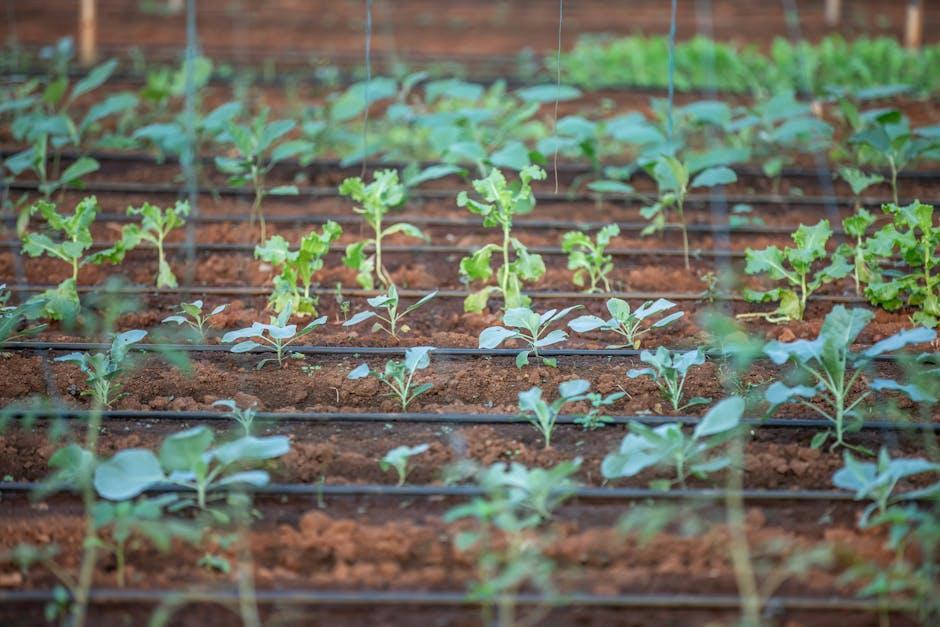
In my quest for a flourishing backyard, I am committed to adopting sustainable gardening practices that not only benefit the environment but also strengthen community ties. Emphasizing native plants is crucial, as they attract local pollinators and require less water. Incorporating companion planting strategies,such as growing tomatoes alongside basil,not only enhances biodiversity but also improves pest control naturally. Additionally, installing a rain garden will help manage stormwater runoff while providing a habitat for wildlife, creating a vibrant ecosystem right in my backyard.
Collaboration with neighbors is another integral aspect of my garden plans. By initiating a community garden project, we can share resources, knowledge, and the joy of harvesting fresh produce together. Regularly hosting garden workshops will not only educate participants on sustainable techniques but also foster stronger connections within our community. To streamline our efforts and track our progress,I plan to implement a simple table system for monthly meetings,allowing us to document plant growth,pest management strategies,and upcoming events.
| Community Initiative | Description |
|---|---|
| Native Plant Swap | Encourage neighbors to exchange local plants to increase biodiversity. |
| Monthly workshops | Sessions on organic gardening and sustainable practices. |
| Harvest Festivals | Celebrate community-grown produce with shared meals and activities. |
In Retrospect
As we look towards the 2024 gardening season, the plans laid out for my backyard not only promise to beautify my outdoor space but also to enrich my emotional well-being. Gardening has consistently proven to be more than just a hobby; it serves as a sanctuary, allowing for reflection and tranquility amid our busy lives. With each seed planted,there is an opportunity to connect with nature,nurture a living space,and reap the psychological benefits that come with engaging in this rewarding activity.As we move forward, I invite readers to consider how their own gardening plans could not only enhance their surroundings but also contribute to their emotional health. Gardening can indeed be a powerful tool for personal growth and a deeper connection to the world around us.

