

My 15 Favorite Queer Books of All Time: An Exploration of Identity adn Narrative
In a world where literature serves as both a mirror and a window to the vast tapestry of human experience, queer literature stands out for its profound ability to resonate with readers on both personal and societal levels. As we navigate the evolving landscape of representation, the importance of queer narratives has never been more prominent. This article highlights fifteen of my all-time favorite queer books,each of which has left an indelible mark on the literary world and contributed considerably to our understanding of diverse identities and experiences. from poignant memoirs to groundbreaking fiction, these works not only reflect the struggles and triumphs of the LGBTQ+ community but also invite readers to engage deeply with the richness of queer storytelling. join us as we delve into these essential reads that illuminate the complexities of love, loss, and self-revelation within the queer experience.
Celebrating Diverse Voices in Literature
In the literary world, voices from the queer community have increasingly taken center stage, enriching the narrative landscape with diverse experiences and perspectives. Books that explore LGBTQ+ themes often create a sense of belonging and understanding,bridging gaps between different cultures and identities. Among my top picks, readers will find stories that resonate deeply, from poignant coming-of-age tales to powerful reflections on love and identity. It’s vital to highlight authors who boldly share their truths through their characters, allowing readers to see parts of themselves reflected within the pages. Here are a few standout titles:
- “Call Me By Your Name” by André Aciman – A sensual exploration of first love.
- “The song of Achilles” by madeline Miller – A retelling of the epic love between Achilles and Patroclus.
- “Fun Home” by Alison Bechdel – A graphic memoir about family and identity.
- “Cemetery Boys” by Aiden Thomas – A vibrant story of magic and acceptance.
- “Aristotle and Dante Discover the Secrets of the Universe” by Benjamin Alire Sáenz – An intimate friendship that evolves into a profound exploration of love.
Each of these selections showcases the incredible breadth of queer literature, offering not just entertainment but also profound insights into the human condition. Celebrating such voices contributes to a larger narrative of inclusivity and understanding within the literary community. In addition to these individual stories, the growing visibility of queer themes in literature reflects a societal shift towards embracing diversity, reminding us that every story is worth telling and every voice deserves to be heard. Here’s a snapshot of essential queer authors making waves today:
| Author | Notable Work |
|---|---|
| Ocean Vuong | “On Earth We’re Briefly Gorgeous” |
| Rebecca Makkai | “The Great Believers” |
| Sarah Waters | “Fingersmith” |
| Kacen Callender | “Felix Ever After” |
| Juno Dawson | “This Book is Gay” |
Exploring Themes of Identity and Acceptance
One of the most compelling aspects of queer literature is its capacity to delve deep into the intricate fabric of identity. Characters frequently enough navigate the complex terrain of self-discovery, grappling with societal expectations and personal truths in a world that can be both embracing and opposed. These narratives not only provide a mirror where readers may see reflections of their own struggles but also illuminate diverse voices and experiences. as a notable example, novels like “Fun Home” by Alison Bechdel and “The Song of Achilles” by Madeline Miller masterfully portray characters who wrestle with their identities, ultimately leading to poignant realizations and affirmations of self-love and acceptance.
Moreover, the quest for acceptance, both self-imposed and from external sources, resonates throughout many of these stories. Whether it’s the journey of a young trans person finding their place in a binary world,as seen in “George” by Alex Gino,or the complex familial bonds explored in “Cemetery Boys” by Aiden Thomas,each narrative underscores the importance of belonging. These works not only challenge customary notions of identity but also foster empathy and understanding among readers, creating a sense of community. Such themes invite profound discussions about what it means to truly accept oneself and others in an ever-evolving landscape of identities.
Essential Reads That Challenge Norms and Inspire Change
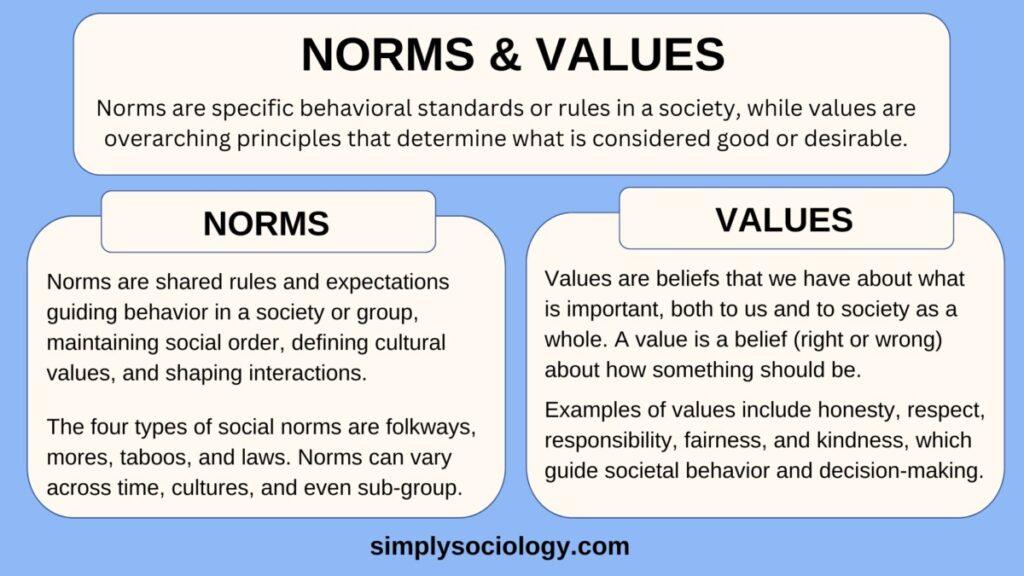
Literature has always been a powerful vehicle for challenging societal norms, and queer literature is no exception. It dares to explore the rich tapestry of human identity, love, and resilience, frequently enough providing readers with fresh perspectives that foster understanding and empathy.From the groundbreaking works of Audre Lorde to the contemporary storytelling of Ocean Vuong, these narratives delve deep into the struggles and triumphs of queer individuals, breaking the silence and stigma that has often surrounded their experiences. Each book holds profound insights, encouraging readers to reflect on their own beliefs and the world around them.
Among these essential reads, the following titles stand out for their ability to inspire change: “The Color Purple” by Alice Walker, which highlights the intersection of race and sexuality; “Carmen Maria Machado’s In the Dream House”, a chilling account of intimate partner violence in a queer context; and “Giovanni’s Room” by James Baldwin, which confronts themes of masculinity and self-acceptance. These authors not only challenge the norms of their times but also ignite conversations that have long been buried. Their compelling narratives continue to resonate, reminding us of the power of storytelling in creating a more inclusive world.
To Conclude
the exploration of queer literature offers not just entertainment but a vital window into the diverse experiences and perspectives within the LGBTQ+ community. Each of the 15 books highlighted here represents a unique narrative that contributes to the broader dialog about identity, love, and resilience. As we continue to advocate for representation and inclusivity in literature, these works remind us of the power stories hold in shaping our understanding of ourselves and others. For readers seeking to broaden their literary horizons, diving into these queer narratives is not only enriching but essential in acknowledging and celebrating the spectrum of human experience.


