

The Unfulfilled Promise of the Web3 Gaming Revolution
despite the initial excitement and a staggering $15 billion investment surge into Web3 gaming, the sector has largely underdelivered on its transformative promise. The majority of projects failed to attract or retain a significant player base, leading to a collapse in user engagement.This disconnect highlights the challenges inherent in merging blockchain technology with mainstream gaming culture, where ease of use, compelling content, and vibrant communities are paramount. Players often found the technology cumbersome, transactions slow, and the gameplay experience lacking the polish they expect from traditional platforms.
Key factors contributing to this underperformance include:
- Complex onboarding processes discouraging casual gamers
- Limited interoperability between different Web3 ecosystems
- Overemphasis on speculative economics rather than immersive gameplay
- Scarcity of truly innovative game mechanics leveraging decentralized technology
| Metric | Expected Outcome | Reality |
|---|---|---|
| User Retention | High and growing community | Below 10% after launch |
| Transaction Speed | Near-instant gameplay interactions | Delayed, causing frustration |
| Game Variety | Diverse, engaging titles | Limited and repetitive |
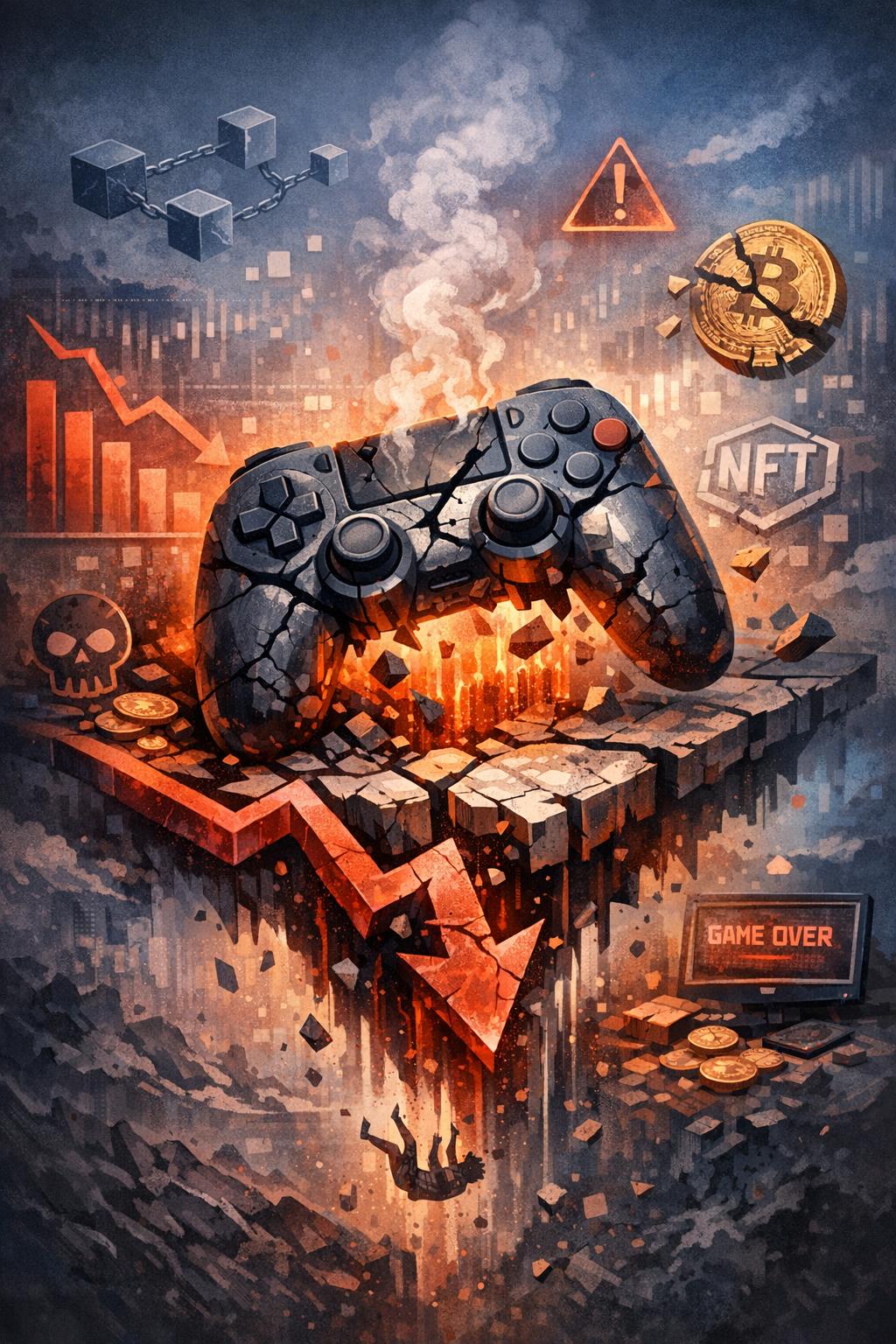
analyzing the Critical Factors Behind the High Failure Rate of Web3 Games
Despite the massive influx of investment, exceeding $15 billion, Web3 games have struggled to retain a consistent player base. The core challenge lies in a disconnect between blockchain enthusiasts and traditional gamers-while the technology promised innovation through decentralization and token economies, many gamers found the user experience cumbersome and the gameplay lacking in depth. Complex wallet setups, slow transaction speeds, and confusing tokenomics created significant barriers to entry, limiting mainstream adoption. Furthermore,numerous Web3 projects prioritized speculative gains over engaging content,which ultimately failed to foster sustained user engagement.
Several critical factors contributed decisively to the underperformance of Web3 games:
- Overemphasis on monetization mechanics rather than core gameplay quality
- Insufficient integration with familiar gaming ecosystems and platforms
- Limited interoperability resulting in isolated game experiences
- Neglect of community-building and meaningful player incentives beyond financial rewards
| Factor | Impact |
|---|---|
| Technical Complexity | high |
| Gameplay Engagement | Low |
| User Onboarding | Challenging |
| Community Support | weak |
Addressing these issues requires a paradigm shift-developers must prioritize user-centric design, seamless onboarding, and authentic gaming experiences over speculative token incentives. Only then can Web3 games move beyond the hype cycle and build resilient communities that sustain long-term growth.
Understanding Gamer Behavior and Engagement Challenges in the Web3 Ecosystem
At the core of the Web3 gaming conundrum lies a fundamental disconnect between the technology’s potential and actual player engagement. While blockchain integration promised players true ownership, transparent economies, and novel experiences, many games struggled to attract and retain a broad user base.The novelty of decentralization alone was insufficient to sustain interest, as gamers prioritize gameplay quality, community, and seamless experiences over buzzwords like nfts and tokenomics. this reality underscores a crucial lesson: technology cannot replace the core pillars of high-quality game design.
Several recurring hurdles continue to intimidate traditional gamers and newcomers alike,slowing adoption:
- Complex onboarding processes that require players to manage wallets and tokens before even entering the game.
- Unclear or speculative economic models that alienate those who seek purely entertainment-driven experiences.
- Insufficient content diversity and engaging narratives compared to established AAA titles.
Addressing these challenges requires Web3 developers to blend blockchain advantages with familiar, polished gameplay and user-friendly interfaces if they hope to turn initial curiosity into sustainable engagement.
| Challenge | Impact on Engagement |
|---|---|
| Onboarding Complexity | Discourages casual players, limiting growth |
| Speculative Economies | Attracts short-term users, not long-term fans |
| Content Quality | Fails to compete with traditional titles |
Strategic Recommendations for Building Sustainable and Player-Centric Web3 Games
To foster longevity and genuine engagement in Web3 games, developers must prioritize user experience over rapid monetization. This means investing in intuitive gameplay mechanics, seamless onboarding for non-crypto-native players, and transparent tokenomics that align player incentives with game growth. Emphasizing decentralization should not come at the cost of accessibility; integrating layer-two solutions and scalable blockchain protocols will reduce friction, enabling a broader user base to participate without significant technical barriers or high transaction fees.
Additionally, cultivating strong community governance models can transform players from passive consumers into active stakeholders. empowering gamers through decentralized autonomous organizations (DAOs) to influence game progress decisions fosters loyalty and shared purpose. Concrete strategies include:
- Regular community voting on feature updates to maintain alignment with player interests
- Transparent reward systems that balance fairness with sustainability
- Collaborative partnerships to enrich game ecosystems with cross-project interoperability