

Michigan Federal Judge Challenges CFTC’s Authority Over Sports Prediction Markets
in a significant legal development, a Michigan federal judge has cast doubt on the Commodity Futures Trading Commission’s (CFTC) claim to regulatory authority over sports prediction markets. The judge emphasized that these markets, which allow users to speculate on sports outcomes, do not neatly fall under the traditional definition of commodity futures contracts. This ruling challenges the CFTC’s expansive interpretation of its jurisdiction, signaling potential limits on how far the agency can extend its regulatory reach into the realm of prediction markets.
Key points from the ruling include:
- The distinction between traditional commodity futures and sports prediction contracts was highlighted.
- The court underscored the importance of legislative clarity in defining regulatory boundaries.
- Potential implications for operators of sports prediction platforms who may face reduced regulatory oversight.
| Aspect | Implication of Ruling |
|---|---|
| Regulatory Scope | Limits CFTC’s jurisdiction over sports prediction markets |
| market Impact | Possible increase in platform innovation and user engagement |
| Legal Precedent | Requires clearer statutory definitions for future regulatory efforts |
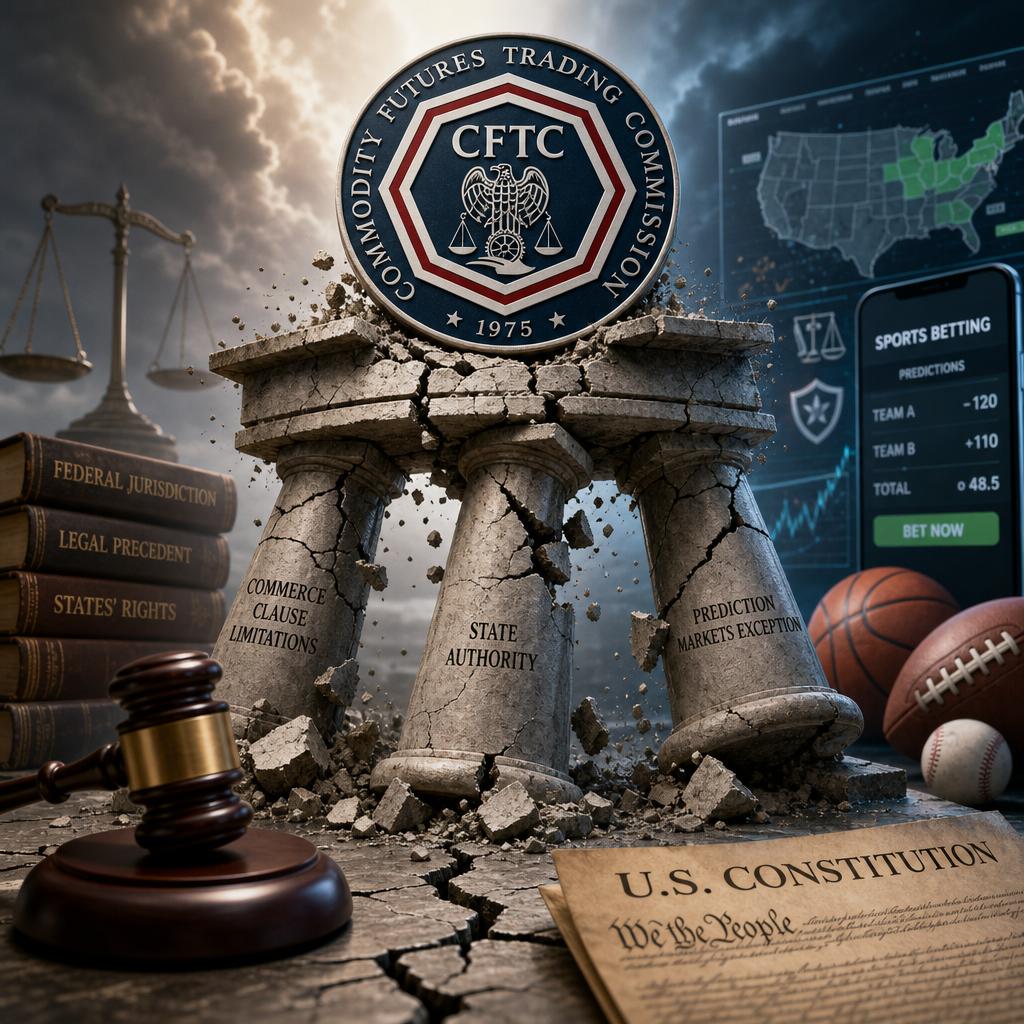
Legal Foundations Undermining CFTC Jurisdiction in Sports Betting Predictions
The recent ruling highlights key statutory interpretations that challenge the Commodities futures Trading Commission’s (CFTC) claim over sports prediction markets. Central to this legal discourse is the definition of “commodity” under the Commodity Exchange act (CEA). Courts have repeatedly underscored that traditional sporting events and their associated betting activities do not fall within the CFTC’s regulatory ambit, as these are not recognized financial instruments or commodities under federal law.
Moreover, the decision emphasized important precedents that limit federal oversight, including:
- State Sovereignty in Gambling Laws: States retain primary authority to regulate and license sports wagering within their jurisdictions, effectively preempting CFTC intervention.
- Distinct Nature of Prediction Markets vs. Futures Markets: Unlike futures contracts, sports betting predictions lack the features that would classify them as derivatives or securities under federal commodity laws.
| Legal Aspect | CFTC Jurisdiction | Judicial Interpretation |
|---|---|---|
| Commodity Definition | Broad,includes derivatives | Sports outcomes excluded |
| Regulatory Scope | Futures & Swaps Markets | Sports betting markets exempt |
| Federal vs State Role | Federal oversight strong | States hold primary authority |
Implications of the Ruling for Market Participants and Regulatory Compliance
The recent ruling exempts sports prediction markets from the oversight of the Commodity Futures Trading Commission (CFTC),compelling market operators to reassess their compliance frameworks. Participants in these markets must now navigate a regulatory environment where traditional futures and options regulations do not apply, possibly reducing administrative burdens and costs associated with CFTC compliance. However, this shift also places a heightened emphasis on state-level regulations and industry best practices to ensure clarity, fairnessand consumer protection.
From a compliance standpoint, market participants should prioritize the following actions to align with the evolving legal landscape:
- Review and update internal policies to reflect the absence of CFTC jurisdiction while adhering to applicable state laws.
- Enhance customer due diligence practices to prevent fraudulent activities and maintain market integrity.
- Engage with legal counsel to stay informed on potential regulatory developments and mitigate risks.
| Consideration | Action Required | impact Level |
|---|---|---|
| Regulatory Oversight | Shift focus to state regulators | High |
| Compliance Costs | Potential reduction | Medium |
| Market Transparency | Implement voluntary standards | High |
strategic Recommendations for Stakeholders Navigating the Evolving Regulatory Landscape
Stakeholders operating within the sports prediction market sector must prioritize agility in adapting to a shifting legal framework. This recent ruling underscores the importance of distinguishing between traditional commodities trading and emerging market models, thereby necessitating a refined approach to compliance strategies. Companies should conduct comprehensive legal audits to ensure the alignment of their operational practices with prevailing interpretations of jurisdictional authority, reducing the risk of regulatory challenges.
Key strategic actions include:
- Engaging specialized legal counsel to monitor changes in federal and state regulatory statutes.
- Investing in clear compliance systems that can adapt to jurisdiction-specific mandates.
- Building collaborative relationships with regulatory bodies to gain proactive guidance and insights.
- Enhancing internal risk management frameworks to anticipate and mitigate regulatory uncertainties.
| Stakeholder | Recommended Focus | Action Timeline |
|---|---|---|
| Operators | Legal compliance review & platform adjustments | Immediate |
| Investors | Risk evaluation and portfolio diversification | 3-6 months |
| Regulators | Policy clarification and stakeholder outreach | Ongoing |