
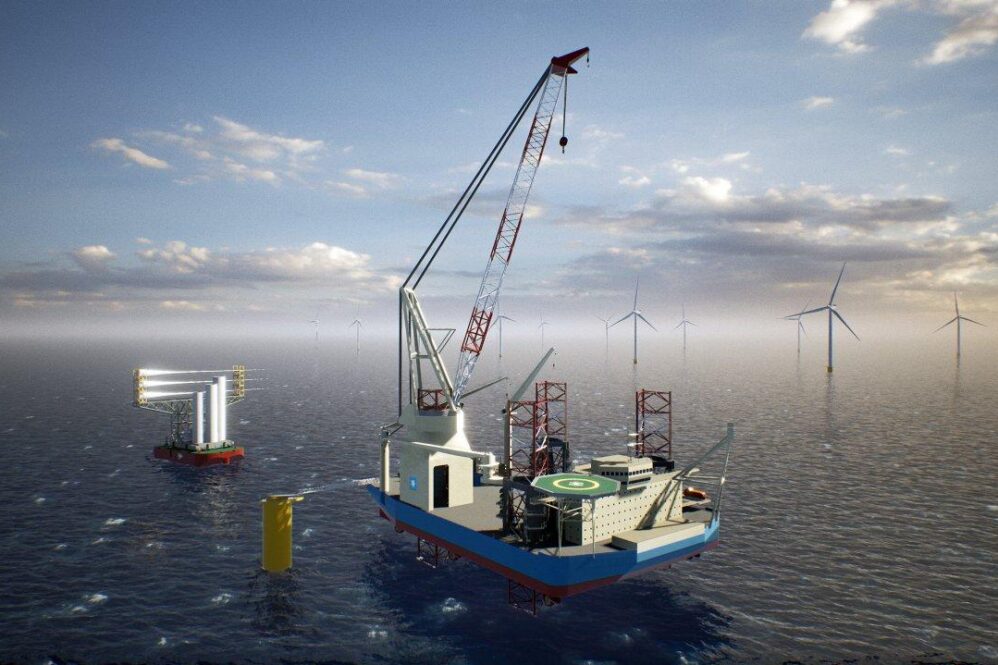
Maersk Offshore Wind Boss: “We Won’t be a One-Vessel Company”
In a bold declaration that underscores Maersk Offshore wind’s commitment to expanding its presence in the renewable energy sector, CEO [Name] has emphasized that the company is poised to grow beyond its current operational scope.Speaking at a recent industry conference, [Name] articulated a vision to diversify and increase the fleet, stating, “We won’t be a one-vessel company.” This strategic approach reflects the company’s ambition to capitalize on the surging demand for offshore wind power, driven by increasing global investment in lasting energy solutions. As the market evolves, Maersk Offshore Wind is strategically positioning itself to play a pivotal role in the transition towards greener energy, aiming to leverage its expertise and resources to develop a robust and capable fleet of vessels.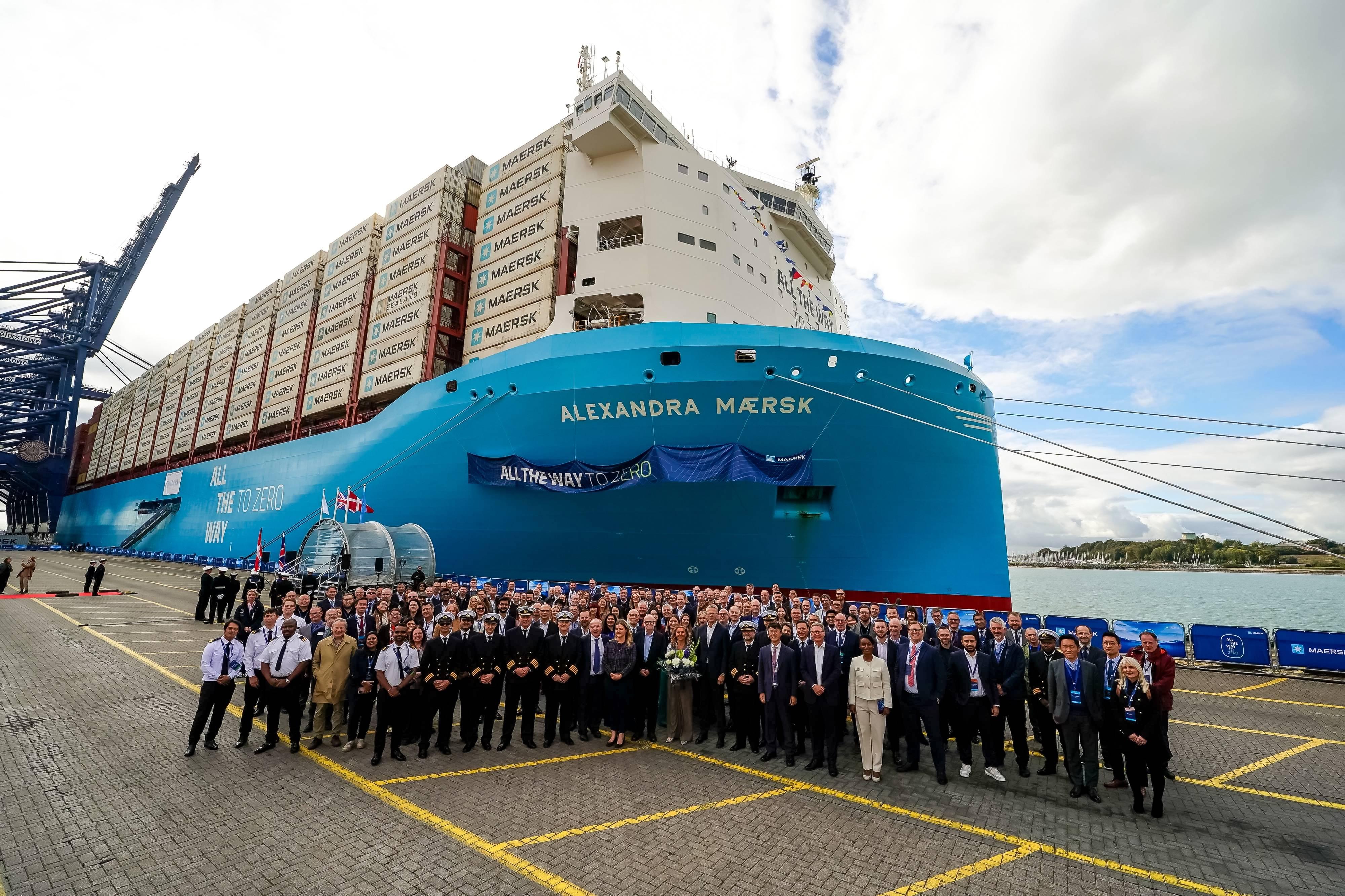
Maersk Offshore Wind’s Strategic Expansion Plans for a Multifaceted Fleet
Maersk Offshore Wind is setting its sights on a more diverse fleet as part of its ambitious growth strategy in the renewable energy sector. The company aims to enhance its operational capabilities by investing in various vessel types, moving beyond the confines of a single-platform approach. This multifaceted strategy is designed to meet the increasingly complex demands of offshore wind farms, which require a range of specialized vessels to tackle everything from installation to maintenance. Key investments will focus on cutting-edge technology aimed at improving efficiency and sustainability, supporting Maersk’s commitment to green energy solutions.
To facilitate this expansion, Maersk Offshore Wind is exploring partnerships and collaborations that will allow for shared expertise and resources. The company intends to leverage its robust network and industry knowledge to secure a competitive edge in the market. Plans include the growth of a versatile fleet that will not only serve its own projects but also cater to the growing demand for offshore wind infrastructure globally. Highlighted features of the expansion plan include:
- Diverse Vessel Types: Investment in service operation vessels (SOVs), crew transfer vessels, and more.
- Innovative Technology: Incorporating state-of-the-art equipment for enhanced performance.
- Strategic Partnerships: Collaborating with other industry leaders for resource sharing.
innovations Driving Efficiency in Offshore Wind Operations
As the offshore wind industry evolves, innovative technologies are becoming essential for driving operational efficiency. Companies like Maersk Offshore Wind are focusing on several key areas to enhance performance, including:
- Advanced Vessel Design: Incorporating cutting-edge engineering to create vessels optimized for wind turbine installation and maintenance.
- Digital Twin technologies: Utilizing real-time data analytics to simulate operations, thereby improving decision-making and reducing downtime.
- Automation and Robotics: implementing automated systems and robotic solutions to handle repetitive tasks, thereby maximizing human talent for high-value activities.
Maersk’s strategy underscores its commitment to a multifaceted approach, eschewing a one-vessel model in favor of a diversified fleet that can tackle various challenges in offshore wind.This strategy involves:
- Flexible Asset Utilization: Deploying a range of vessels tailored to specific project needs, ensuring responsiveness to market demands.
- Collaborative Partnerships: Engaging with technology firms and other stakeholders to develop shared solutions that drive innovation across the industry.
- Sustainability Initiatives: Prioritizing environmentally friendly practices to align with global sustainability goals and attract investment.

Future Challenges and opportunities in the Renewable Energy Sector
The renewable energy sector is poised for significant evolution as it faces both challenges and opportunities in the coming years. Industry leaders believe that diversification will be key to success, and companies must adapt to the increasing demand for sustainable solutions. The shift towards offshore wind has opened up new avenues for innovation, leading to the development of advanced technologies and collaboration across sectors. This trend is not just about increasing the number of vessels, but about creating a robust fleet capable of meeting future energy demands efficiently and sustainably.
The strategic focus on multi-vessel operations allows companies to deploy resources more flexibly, responding swiftly to changing conditions and project requirements. As competition intensifies, players in the market must prioritize research and development to enhance operational efficiencies and reduce costs. Collaboration with technology firms could further support this initiative, fostering innovations in areas such as predictive maintenance and automated systems. In essence, embracing a forward-thinking mindset is essential for companies looking to thrive amidst the evolving landscape of renewable energy.
Key Takeaways
Maersk Offshore Wind’s commitment to expanding its fleet signifies a bold vision for the future of the offshore wind industry.With plans to diversify beyond a single-vessel operation, the company is poised to play a pivotal role in addressing the growing demand for renewable energy solutions. As the sector faces challenges, including permitting setbacks, Maersk’s strategic approach may not only enhance its competitive edge but also contribute to accelerating the transition towards sustainable energy. Stakeholders will be watching closely to see how these developments unfold in an evolving landscape that increasingly prioritizes clean energy initiatives.


