

Introduction: Katja Farin’s “Tricksters” – A Revolutionary Exploration of Deception and Identity
In an era saturated with digital personas and altered realities, Katja Farin’s latest exhibition, “Tricksters,” emerges as a timely examination into teh themes of deception and identity. Opening at the renowned Contemporary Art Space, this thought-provoking showcase challenges viewers to reconsider the boundaries between authenticity and artifice. Through a striking blend of multimedia installations, Farin invites audiences to engage with the complexities of modern existence, highlighting how the trickster archetype transcends cultures and epochs. As the lines between reality and illusion blur, “Tricksters” promises to be both a visual feast and a profound commentary on the nature of truth in the contemporary world.
Exploring the Themes of Deception and Resilience in Katja Farin’s Tricksters
In Katja Farin’s “Tricksters,” the intricate interplay of deception serves as both a mechanism for survival and a lens through which the characters navigate their realities. As the narrative unfolds, readers are drawn into a world where truth and lies blur, creating a landscape ripe for exploration of human intent and motivation. The characters masterfully utilize trickery, not only to outwit their counterparts but also as a means of fortifying their identities against external pressures. This reflective examination prompts us to consider the moral implications of deception: when does a lie become necessary, and what does it reveal about our resilience in the face of adversity?
Resilience, the second pillar of the narrative, emerges as a formidable counterbalance to deception. Throughout the novel, characters embody the spirit of perseverance amid challenges, utilizing their cunning not just for personal gain but also as a form of empowerment. This theme is effectively illustrated through a series of pivotal moments where individual struggles are met with collective support, illustrating how resilience can manifest in various forms. Whether through forging unexpected alliances or enduring hardship with tenacity, Farin’s characters demonstrate that the human spirit can withstand substantial trials when motivated by a purpose greater than oneself.
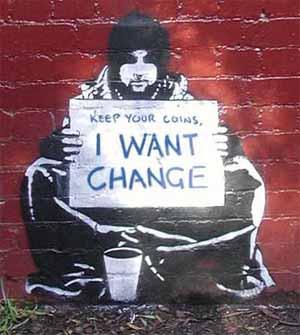
Unpacking the Societal Commentary Embedded in Tricksters’ Narrative
Katja Farin’s “Tricksters” deftly weaves a rich tapestry of societal commentary, utilizing the archetype of the trickster to challenge the status quo. Through cunning and subversion, these characters illuminate the absurdities and contradictions within our societal norms, revealing deep-seated truths that ofen go unnoticed. By presenting the trickster as both a villain and a hero, Farin encourages readers to reconsider moral binaries and embrace the complexities inherent in human behavior. This literary maneuver serves not only to entertain but also to provoke critical thought on issues such as power dynamics,identity,and cultural expectations.
Moreover,the narrative structures employed in “Tricksters” engage with themes of resistance and adaptation,showcasing how marginalized voices navigate oppressive systems. the trickster’s ability to outwit authority reflects a broader commentary on the resilience required to thrive in a world marked by inequity. Key aspects of this exploration include:
- Subversion of Power: How tricksters manipulate societal structures for survival.
- Complex Identity: The intersection of various identities that shape the trickster’s role.
- Cultural Reflection: The reflection of societal values and norms through the lens of humor and chaos.
Farin’s narrative, rich with intertextual references, invites audiences to examine their own complicity in the systems of power, making ”tricksters” a resonant piece of modern literature that holds up a mirror to contemporary society.

Practical Takeaways from Farin’s Insights on Modern-Day Trickery
Katja farin’s examination of modern deception highlights the necessity for individuals and organizations to stay vigilant in an era where traditional norms of trust are challenged. as technology advances, so too do the methods used by tricksters, ranging from elegant phishing schemes to social engineering tactics. The key takeaways from her insights emphasize the importance of critical thinking and digital literacy, enabling individuals to discern authenticity in an increasingly complex online environment. Understanding the mechanics of these tricks serves as a crucial defense mechanism.
Moreover,Farin’s work suggests that fostering a community of awareness and education can substantially mitigate risks associated with modern trickery. She advocates for regular training on recognizing fraudulent practices and maintaining open channels for reporting suspicious activities. This approach not only empowers individuals but also cultivates a collective resilience against deception. Individuals and companies alike should prioritize integrating such practices into their cultures to safeguard against the evolving landscape of trickery.
to sum up
Katja Farin’s “Tricksters” masterfully intertwines the themes of deception and resilience, offering a poignant commentary on the complexities of modern identity. As the narrative unfolds, Farin challenges readers to confront their own perceptions of truth and illusion, ultimately prompting a reflection on the societal forces that shape our lives. With her unique storytelling prowess, Farin not only captivates but also provokes thought, ensuring that “Tricksters” resonates long after the final page is turned. As discussions around the book continue to evolve,it remains clear that Farin has established herself as a notable voice in contemporary literature,inviting us to question what lies beneath the surface of our everyday realities.


