
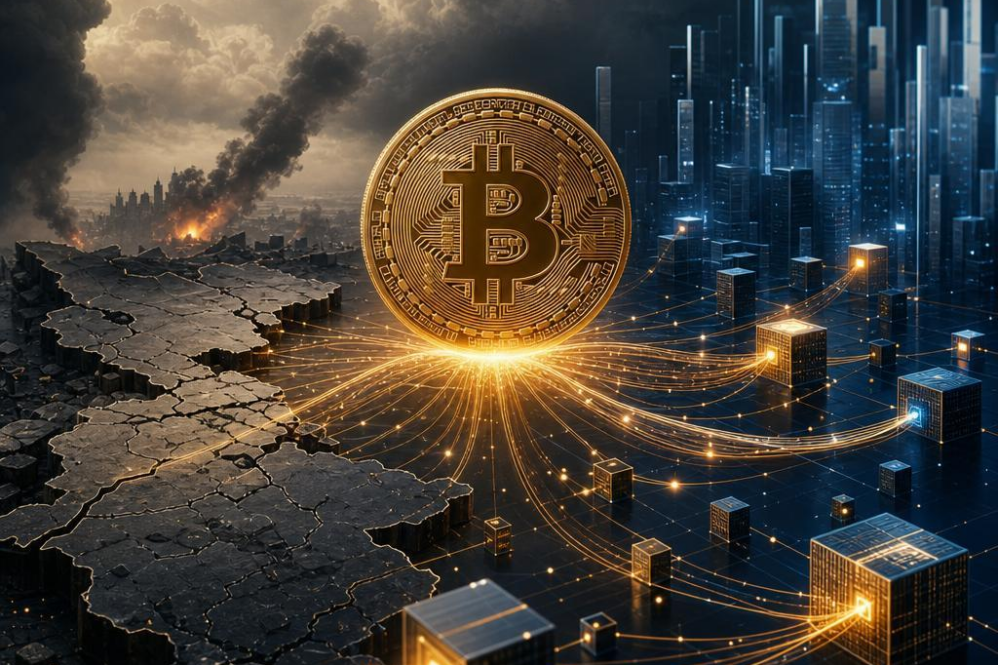
Iran’s Khamenei Assassination and Its Immediate Impact on Global Geopolitical Stability
The assassination of Iran’s Supreme Leader Ayatollah Ali Khamenei would undoubtedly represent a seismic event with profound consequences for global geopolitical stability. Khamenei holds a unique position as both the highest-ranking political and religious authority in Iran, guiding domestic policies and foreign relations, especially in a region marked by complex alliances and conflicts. Such an incident coudl trigger immediate uncertainty and heightened tensions, given Iran’s pivotal role in Middle Eastern politics and its influence over key regional proxies.
from a geopolitical perspective, any sudden leadership change in iran could disrupt established diplomatic and strategic calculations. This is especially pertinent concerning Iran’s relationships with the United States, Israeland neighboring countriesand also its involvement in ongoing conflicts in Syria, Yemenand Iraq. Analysts emphasize that the immediate aftermath would likely involve a reassessment of risk by states engaged in or affected by these dynamics, perhaps affecting international negotiations and security postures without necessarily presuming specific outcomes.
For the cryptocurrency market, such geopolitical upheaval introduces considerations of increased volatility and risk aversion, as investors often seek safe-haven assets or diversify holdings amid uncertainty. Cryptocurrencies, due to their decentralized nature, sometimes gain attention during geopolitical turmoil; though, their responses are influenced by broader market sentiments and regulatory environments. It remains essential to recognize that while geopolitical events can impact cryptocurrencies, they are only one of many factors shaping market behaviorand effects may vary in scale and duration.
Analyzing Bitcoin’s Market Resilience Amidst Middle Eastern Political Turmoil
Recent political developments in the Middle East have introduced a degree of uncertainty to global markets, including those focused on cryptocurrencies such as Bitcoin. Historically, geopolitical tensions can influence digital asset markets by affecting investor sentiment and risk appetite. Bitcoin,often described as a decentralized digital currency operating on a blockchain,exists independently of traditional financial institutions and national borders,which may contribute to a unique market dynamic in times of geopolitical flux.
The resilience of Bitcoin’s market amid these tensions can be partially understood by examining its decentralized infrastructure and the diversity of its global participant base. Unlike traditional assets, Bitcoin transactions occur on a peer-to-peer network secured by cryptographic protocols and validated by miners or validators distributed worldwide. This decentralized mechanism can provide a degree of insulation from localized political disruptions, although the overall market remains sensitive to changes in investor confidence and liquidity conditions affected by broader economic and political factors.
It is crucial to consider both the potential mitigating effects of Bitcoin’s foundational technology and its exposure to global market sentiment during periods of political unrest. While the absence of a central authority may shield Bitcoin to some extent from direct regulatory or political interference in specific regions, the interconnected nature of financial markets means that geopolitical events may still influence Bitcoin’s price movements through indirect channels such as shifts in capital flows, regulatory responsesor changes in investor behavior. This duality underscores the complexity of assessing Bitcoin’s market resilience in the context of ongoing Middle Eastern political turmoil.
Assessing the Divergent reactions of Traditional and Digital Assets to Geopolitical Shocks
Geopolitical shocks frequently enough influence traditional financial markets in well-documented ways, typically causing fluctuations in asset prices such as stocks, bondsand commodities. These traditional assets tend to react swiftly to changes in geopolitical stability, reflecting investors’ reassessment of risk and future economic conditions. In contrast, digital assets like Bitcoin may exhibit different response patterns due to unique underlying factors including decentralized governance, reduced correlation with conventional financial systemsand differing investor bases.
The divergence in reactions can be attributed partly to the nature of bitcoin as a decentralized digital currency, which operates independently of central banks and government policy.While conventional markets are directly impacted by geopolitical developments through regulatory, fiscaland monetary policy changes, Bitcoin’s response may be influenced more by shifts in market sentiment, regulatory news specific to cryptocurrenciesand technological considerations. This distinct dynamic creates complexity in how Bitcoin might behave during geopolitical tensions compared to traditional assets.
It is indeed critically important to consider both the potential advantages and limitations of digital assets within this context. bitcoin’s perceived qualities, such as censorship resistance and borderless transfer, have led some market participants to view it as a possible hedge during times of geopolitical uncertainty. However, uncertainties around regulatory frameworks, market maturityand liquidity constraints may limit its effectiveness as a safe-haven asset. Consequently, analysis of Bitcoin’s reaction to geopolitical shocks should carefully weigh these factors without presuming consistent outcomes across different events.
Strategic Recommendations for Investors Navigating Cryptocurrency Volatility in Geopolitical Crises
Investors navigating the cryptocurrency market amid geopolitical crises face heightened volatility, which necessitates a careful approach to portfolio management. Cryptocurrency prices can be substantially influenced by geopolitical events due to uncertainties affecting global financial systems. Recognizing that cryptocurrencies operate within a decentralized framework not directly tied to traditional market forces, investors should consider this characteristic as both a potential source of resilience and risk. Understanding the interplay between geopolitical developments and market sentiment is crucial for informed decision-making.
Risk management strategies become essential in such fluctuating conditions. Diversification across different types of assets, including various cryptocurrencies with distinct functions and risk profiles, can help mitigate potential losses. Additionally, implementing stop-loss orders or setting predetermined exit points may limit downside exposure during abrupt market shifts caused by geopolitical tensions. Investors should also remain aware of liquidity considerations, as sudden market movements may impact the ability to enter or exit positions effectively.
Staying informed through reputable and timely sources is fundamental to responding appropriately to geopolitical influences on cryptocurrency markets. Given the rapid pace at which both geopolitical events and digital asset markets evolve, continuous monitoring allows investors to assess emerging trends and adjust strategies accordingly. However, the unpredictable nature of geopolitical crises means that even well-grounded analysis has inherent limitations, underscoring the importance of maintaining a balanced perspective and readiness for varied market outcomes.