

Introduction:
in a bold call to action that has sparked controversy and debate, Representative Alexandria Ocasio-Cortez (AOC) has encouraged undocumented immigrants to resist deportation efforts by Immigration and Customs Enforcement (ICE). Speaking at a rally this past weekend, the progressive congresswoman urged attendees to stand firm against federal authorities, framing the fight against ICE as a moral imperative in the face of what she described as unjust immigration policies. As the Biden governance grapples with contentious immigration reform and rising deportation rates, AOC’s remarks have reignited discussions about the role of lawmakers in advocating for the rights of immigrants, and also the implications of direct action against federal enforcement agencies. critics warn that such statements could undermine the rule of law, while supporters herald them as a necessary pushback against systemic oppression.
Understanding AOC’s Call to Action on Immigration Resistance
In a recent statement, Representative Alexandria Ocasio-Cortez (AOC) has provoked heated discussions around immigration policies and the responsibilities of undocumented individuals facing deportation. Her directive encourages those targeted by immigration and Customs Enforcement (ICE) to adopt measures of resistance, encapsulating a broader strategy that she believes can protect vulnerable communities. By leveraging passionate rhetoric, Ocasio-Cortez’s comments resonate with her progressive base while challenging the enforcement of federal immigration laws.
Ocasio-Cortez outlined several key strategies for individuals to counter ICE actions, which include:
- Community Support: Connect with local organizations that specialize in immigrant rights and legal assistance.
- Public awareness: Utilize social media platforms to raise awareness about personal immigration stories and experiences with ICE.
- Legal Preparedness: Keep legal documents accessible and know your rights when confronted by ICE agents.
The call to action has sparked debate regarding the implications of such resistance. critics argue that AOC’s stance undermines legal processes and could encourage defiance against federal authorities. However, supporters argue that her message is a necessary countermeasure to what they see as an unjust system targeting marginalized populations. As the conversation evolves, the effectiveness and consequences of such resistance strategies remain a focal point in both advocacy and policy discussions within the immigration reform movement.
Analyzing the Implications of Non-Cooperation with ICE
The recent statements made by AOC encouraging undocumented immigrants to resist deportation efforts have sparked important debate about the consequences of non-cooperation with ICE (Immigration and Customs Enforcement). Advocates for immigrant rights argue that non-cooperation is a form of civil disobedience, a necessary response to what they describe as an unjust system. These actions raise questions about the broader implications for both individuals and communities that choose to stand against ICE’s mandates.
However,this kind of resistance can lead to a complex web of consequences. For individuals, the risks of non-cooperation can be severe, including:
- Increased legal vulnerability: Individuals may face heightened scrutiny if they engage in direct actions against ICE.
- community tensions: Such resistance may create rifts within local communities, particularly between those who support ICE and those who support immigrant rights.
- Potential backlash: There is also the possibility of government retaliation, where non-cooperative individuals become targets for deportation.
In examining the community-level implications, it’s pivotal to consider how non-cooperation might galvanize collective action. As a notable example, it could lead to the establishment of support networks and legal aid resources.A breakdown of potential outcomes includes:
| Outcome | Potential Impact |
|---|---|
| Increased Mobilization | Heightened community activism and formation of supportive coalitions. |
| Cultural Shifts | Greater visibility of immigrant issues in public discourse. |
| Opposition Response | Stricter enforcement policies and possible crackdowns. |
Ultimately, the decision to resist ICE is fraught with challenges and necessitates careful consideration of the potential fallout. the social fabric of communities, the personal stakes for undocumented individuals, and the legal landscape all play crucial roles in shaping this discourse. As the debate continues, stakeholders must weigh the moral imperatives of resistance against the tangible risks that come with it.
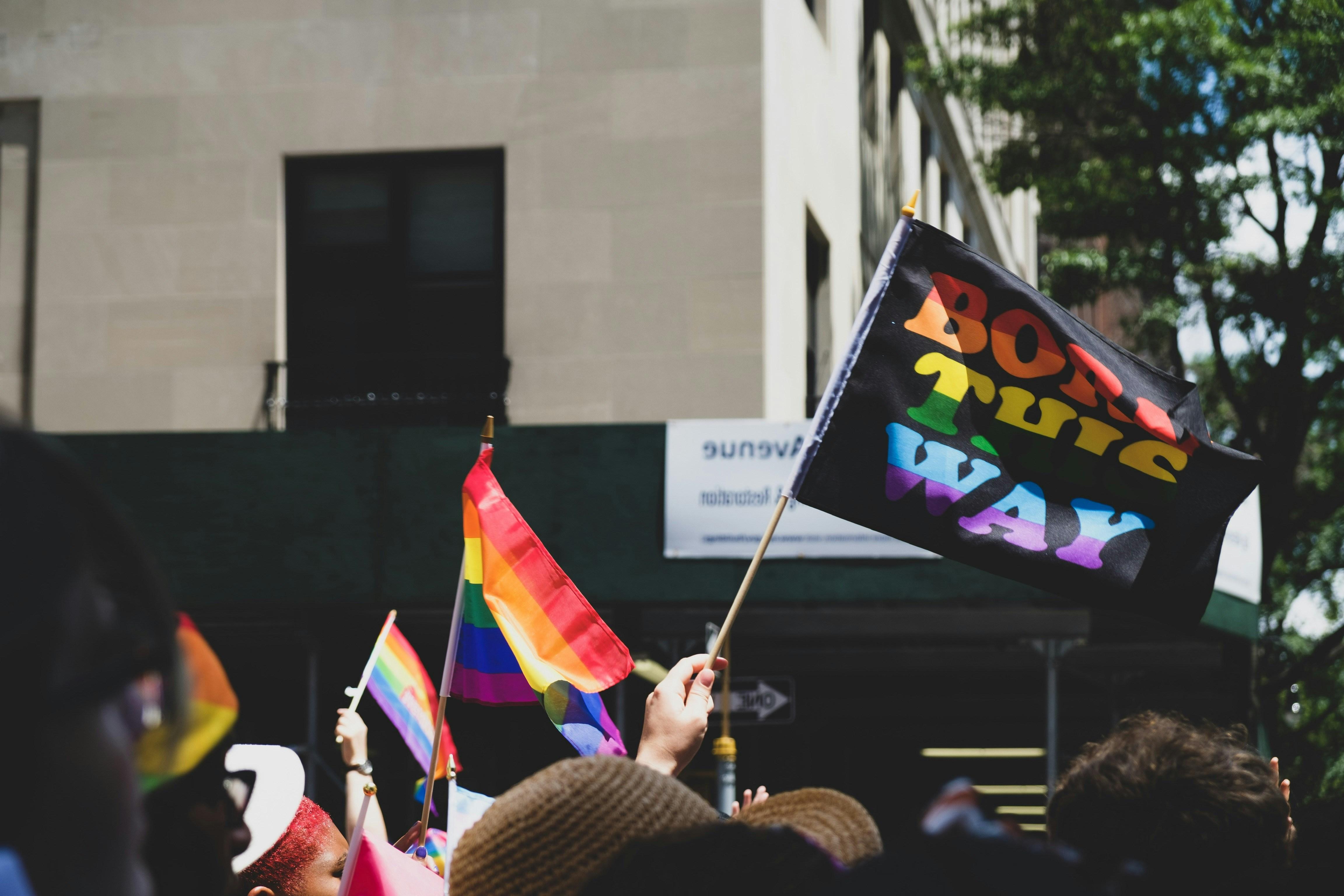
Community Strategies for Supporting Immigrant Rights
In the continuing dialog surrounding immigrant rights,community strategies have emerged as essential frameworks for supporting individuals and families facing potential deportation. activists and local organizations are implementing grassroots initiatives that not only educate but also empower immigrants to assert their rights. This multifaceted approach includes:
- Legal workshops: Providing free access to legal advice helps immigrants understand their rights and available resources.
- Safe spaces: Community centers are transforming into safe havens where individuals can seek refuge from ICE enforcement.
- Advocacy training: Empowering immigrants to engage in activism, rally support, and advocate for policy changes that protect their rights.
As influential figures like Alexandria Ocasio-Cortez encourage direct action against ICE deportation efforts, communities are rallying to create networks of support. By fostering solidarity among immigrant families and their allies, these strategies aim to build trust and resilience. Many grassroots organizations are mobilizing volunteers to provide:
- Emergency hotlines: Aiding individuals in distress to find immediate assistance and guidance.
- Educational resources: Dispelling myths about immigration enforcement and informing about the legal process.
- Support groups: Allowing individuals to share their experiences and receive emotional support in a collective environment.
The effectiveness of such initiatives is evident as communities see increased participation in advocacy efforts. Notably,families are banding together to resist fear and uncertainty,creating a culture of solidarity that transcends language and borders. As this movement grows, tables and forums for community discussions are being organized to gather feedback, share success stories, and strategize future actions. By harnessing the power of collective resolve, communities are becoming formidable forces in the struggle for immigrant rights.
In Conclusion
Representative Alexandria Ocasio-Cortez’s recent remarks encouraging undocumented immigrants to resist ICE deportation efforts have sparked significant debate across the political spectrum. Critics assert that such statements undermine the rule of law, while supporters view them as a call to protect vulnerable communities facing aggressive immigration enforcement. As the nation grapples with ongoing immigration reform discussions, Ocasio-Cortez’s comments highlight the deep divisions in public opinion regarding immigration policy. It’s clear that the intersection of activism and law enforcement will remain a contentious issue, prompting further dialogue about the rights and protections of undocumented individuals in the United States. As this story continues to unfold, the implications of Ocasio-Cortez’s message will be closely monitored by both advocates and opponents.


