

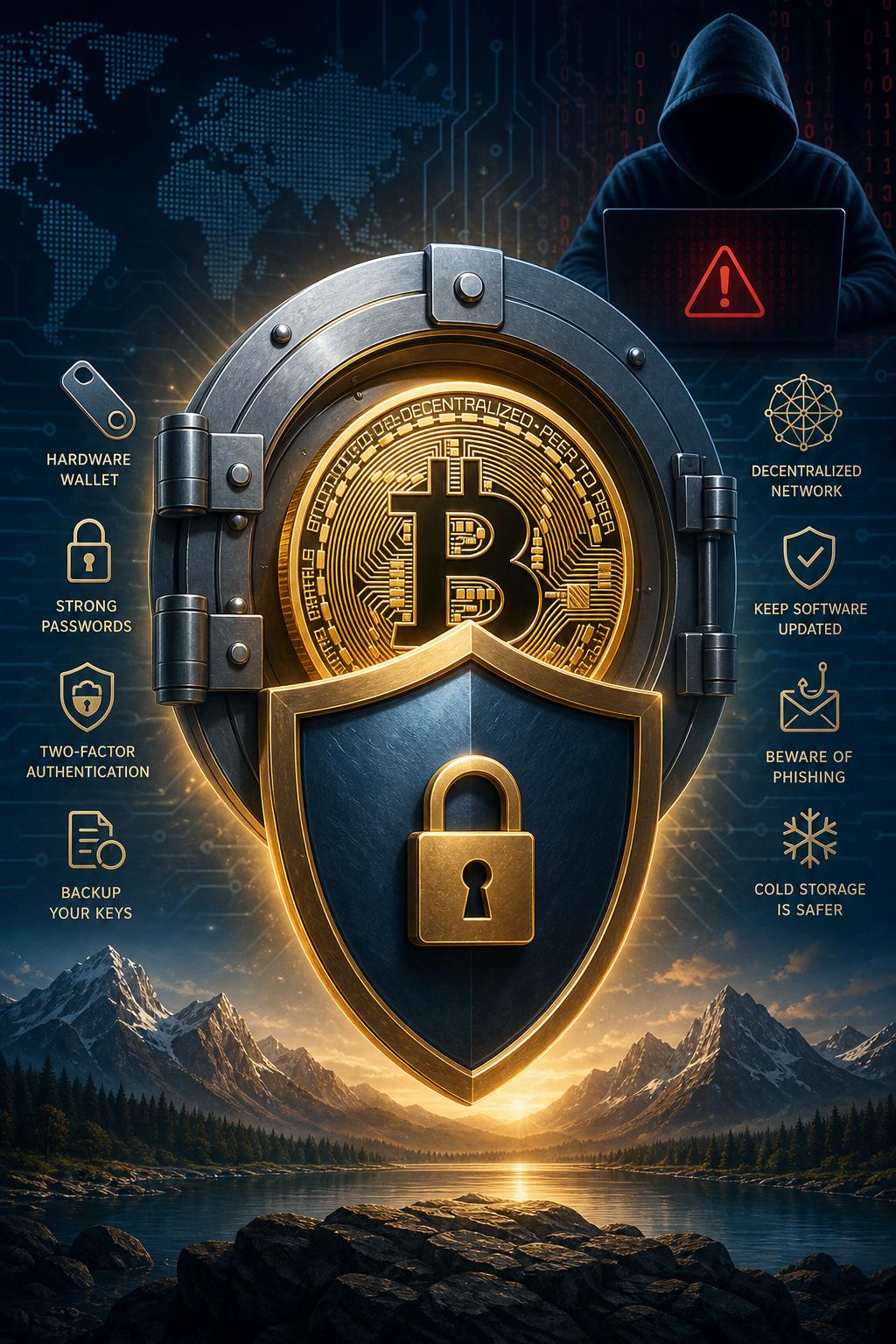
safeguarding your Bitcoin requires a multi-layered approach that prioritizes both technological defenses and user vigilance. **Enable two-factor authentication (2FA)** on your wallet and any associated accounts to add an essential extra layer of security beyond just a password.This simple step dramatically reduces the risk of unauthorized access, especially since hackers often rely on stolen credentials. Prefer hardware-based 2FA methods like physical security keys over SMS-based codes, which can be susceptible to interception.
Regularly updating your wallet software and system firmware is another critical defense. Security patches fix vulnerabilities that could be exploited by attackers; neglecting updates leaves your assets exposed. Equally crucial is to steer clear of public Wi-Fi networks when managing your Bitcoin, as these connections can be easily compromised. Instead, use a trusted, private network or a reliable VPN service to shield your activities from prying eyes.
| Common Hacker Techniques | Countermeasures |
|---|---|
| Phishing Attacks | Verify URLs, use bookmarks, avoid suspicious links |
| Malware & Keyloggers | Install reputable antivirus, avoid unknown downloads |
| SIM Swapping | Use app-based 2FA, secure your mobile carrier account |
the most crucial step lies in protecting your private keys. Never share them digitally or store them on internet-connected devices without encryption.Consider using **cold storage solutions**-offline wallets that remain disconnected from the internet to virtually eliminate hacking risks. By combining these strategies, you solidify your defenses and maintain control over your Bitcoin in a opposed cyber environment.
Create your Nostr Profile