

House Financial Services Commitee’s strategic Approach to Tokenization Regulation
The House Financial Services Committee is adopting a methodical and informed approach to the regulation of tokenization, aiming to balance innovation with investor protection. By convening diverse stakeholders-including representatives from Wall Street, crypto enterprises, and critical market infrastructure providers such as SIFMA, the Blockchain Association, DTCC, and Nasdaq-the Committee seeks to cultivate a regulatory framework that fosters clarity, efficiency, and security within tokenized markets. This collaborative effort ensures that regulatory measures are crafted with insights from those actively shaping and operating within the evolving digital asset ecosystem.
Central to this initiative is the examination of draft legislative proposals like the Modernizing Markets Through Tokenization Act, which promise to modernize securities laws by explicitly recognizing and accommodating digital tokens. The committee’s strategy includes:
- Clarifying regulatory classifications to reduce ambiguities surrounding digital tokens.
- Enhancing market infrastructure with integrated technology solutions for token issuance and custody.
- Promoting investor confidence through stringent compliance and disclosure norms.
| Focus Area | Key Objectives |
|---|---|
| Market Modernization | Adapt laws to digital securities |
| Stakeholder Engagement | Incorporate industry expertise |
| Investor Protection | ensure transparency & compliance |
| Technological Integration | Enable secure token infrastructure |
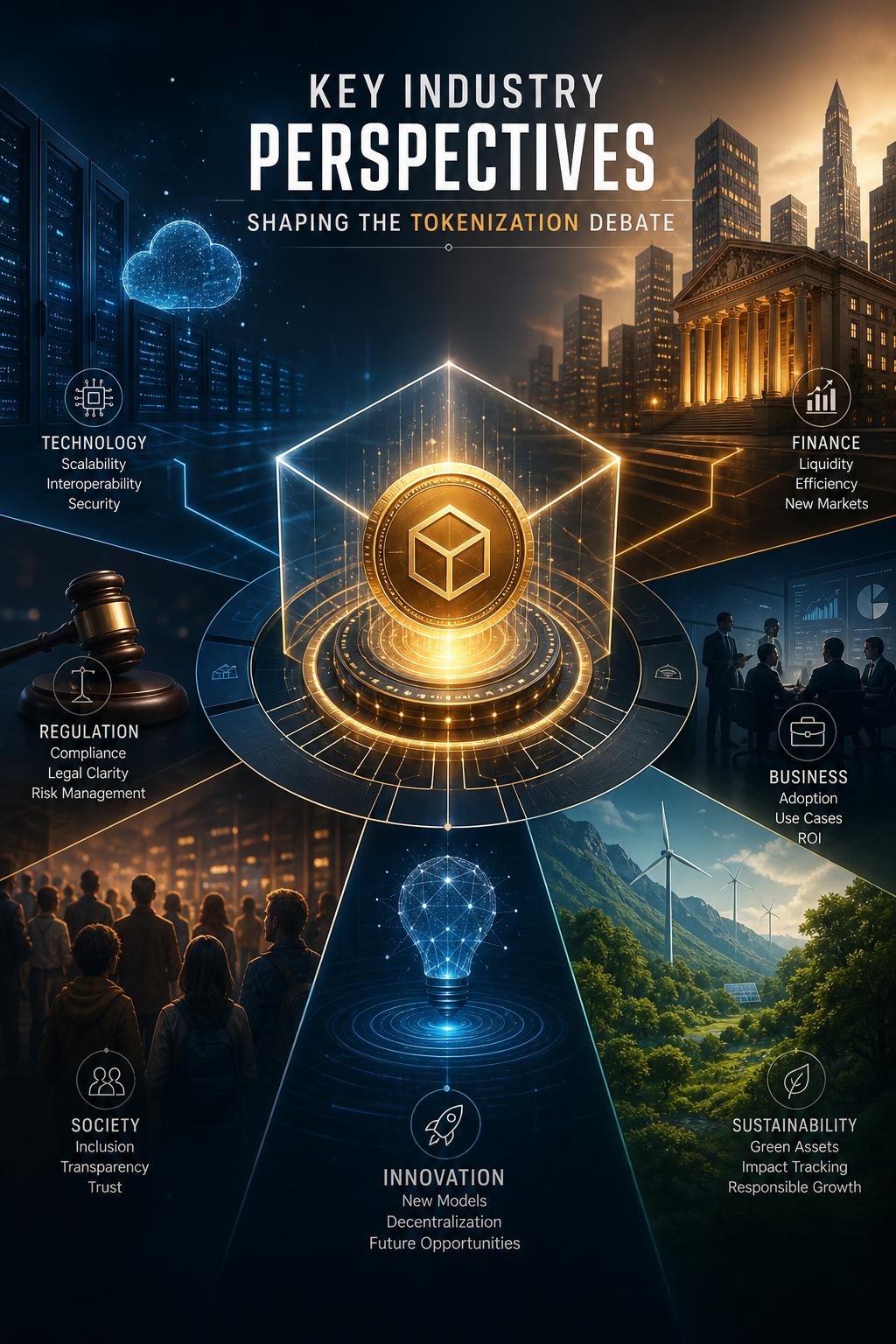
Key Industry Perspectives Shaping the Tokenization Debate
The ongoing discourse among industry leaders highlights the complexities underpinning tokenization’s transformative potential. Financial services executives emphasize the necessity for clear regulatory frameworks that can balance innovation with investor protection. Meanwhile, blockchain technology experts advocate for interoperability standards to ensure seamless integration across diverse ecosystems. These perspectives underscore the multifaceted nature of tokenization, where compliance, technological advancement, and market readiness must converge to foster lasting growth.
Key themes shaping the debate include:
- Regulatory clarity and consistency across jurisdictions
- Establishing best practices for security and custody of digital assets
- Promoting transparency through enhanced disclosure requirements
- Ensuring scalability while maintaining network decentralization
| Stakeholder | Primary Concern | Recommended Focus |
|---|---|---|
| Regulators | Market integrity | Clear, enforceable guidelines |
| Investors | Asset security | Robust custody solutions |
| Developers | innovation impediments | Flexible, adaptive standards |
| Exchanges | Liquidity & compliance | Effective onboarding protocols |
Analyzing the Implications of the Modernizing Markets Through Tokenization Act
The Modernizing Markets Through Tokenization Act represents a pivotal step in redefining how digital assets integrate within existing financial frameworks. By proposing a clear regulatory pathway, the legislation aims to foster innovation while mitigating systemic risks associated with tokenized securities. Key provisions would streamline the issuance and trading of tokenized assets, potentially enhancing liquidity and broadening market participation. Stakeholders emphasize that such regulatory clarity could accelerate institutional adoption, cementing tokenization’s role as a basic component of the future financial ecosystem.
Critical implications include:
- Introduction of standardized protocols for digital asset registration and compliance
- Enhanced investor protections tailored for tokenized offerings
- Integration with established market infrastructure to ensure seamless trade settlement
- Facilitation of fractional ownership, unlocking new investment opportunities
| Aspect | Current Challenges | Expected Improvements |
|---|---|---|
| Regulatory Clarity | Ambiguous guidelines hinder market growth | Clear framework promotes confidence |
| Market Efficiency | Slow settlement and limited liquidity | Faster transactions, expanded access |
| Investor Access | High entry barriers for smaller investors | Fractional ownership enabled |
Ultimately, the Act seeks to bridge conventional finance with emerging technologies, positioning the U.S. as a leader in digital asset regulation. However, its success hinges on collaborative efforts between policymakers, regulators, and industry actors to balance innovation with sound risk management.
Policy Recommendations for Balancing Innovation and Market integrity in Crypto Tokenization
To effectively foster innovation in crypto tokenization while preserving market integrity, policymakers must implement a nuanced approach balancing regulatory clarity and versatility. Introducing adaptive frameworks that clearly define asset classifications and compliance obligations helps reduce uncertainty for innovators and investors alike. key elements include:
- Defined regulatory categories: Distinguishing between payment tokens, utility tokens, and security tokens to streamline compliance requirements.
- Responsive oversight mechanisms: Agencies should employ dynamic supervision capable of evolving alongside emerging technologies.
- Investor protection standards: Mandating obvious disclosures and anti-fraud safeguards without stifling creativity.
Additionally,fostering collaboration between regulatory bodies,industry stakeholders,and technologists encourages the progress of well-informed policies that both nurture growth and mitigate systemic risks. Public-private partnerships and regulatory sandboxes offer valuable environments for testing innovations under regulators’ watchful eyes, minimizing unintended consequences.Such cooperative frameworks pave the way for sustainable,responsible token ecosystems capable of integrating into mainstream finance.