
Title: the Path to Olympic Glory: How to Become an Olympian
In a world where athletic excellence is both revered and pursued, the journey to becoming an Olympian is filled with dedication, discipline, and determination. Each four years, athletes from around the globe gather to showcase their talents and compete for the ultimate prize: an Olympic medal. But what does it truly take to reach this pinnacle of sports achievement? From rigorous training regimens to strategic planning and mental fortitude,aspiring Olympians must navigate a complex landscape that demands not only physical prowess but also unwavering commitment. In this article, we explore the multifaceted path to Olympic success, offering insights and guidance for those who dare to chase the dream of Olympic greatness.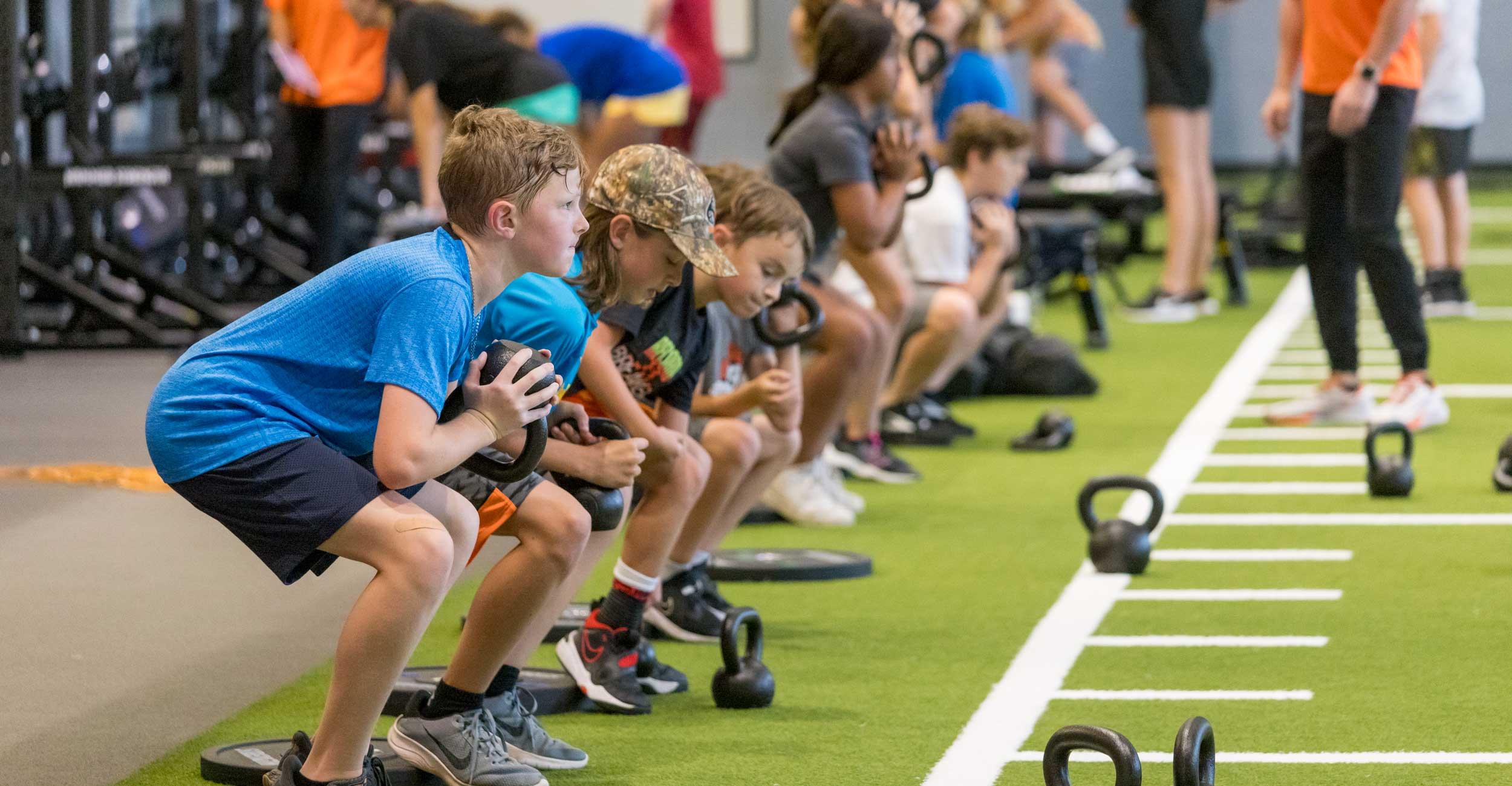
Paths to athletic Excellence
Becoming an Olympian requires a combination of dedication, strategic planning, and relentless pursuit of excellence. Aspiring athletes shoudl start by identifying their sport and understanding the specific requirements for success within that discipline. Key factors to consider include:
- Training Regimen: Establish a rigorous training schedule that includes strength, endurance, and skill-specific exercises.
- Coaching: Seek experienced coaches who can provide guidance and feedback tailored to personal strengths and weaknesses.
- Nutritional Guidelines: Embrace a balanced diet that supports optimal performance and recovery.
- Mental Readiness: Incorporate mental conditioning techniques such as visualization and mindfulness.
Alongside physical and mental training, athletes must navigate the competitive landscape that leads to Olympic qualification. This journey often entails:
- Participating in Competitions: Gain experience and ranking through local, national, and international competitions.
- Building a Support Network: Surround yourself with a team of sports scientists, physiotherapists, and fellow athletes to foster growth.
- Setting Goals: Establish short-term and long-term goals that are SMART (Specific, Measurable, Achievable, Relevant, time-bound).
- Seeking Sponsorships: Seek financial assistance and support from sponsors to alleviate training costs.

The role of Coaching and Training Regimens
Coaching and training regimens are foundational to an athleteS journey toward Olympic success. Elite coaches bring a wealth of experience and specialized knowledge that helps athletes hone their skills to reach peak performance. Through tailored training plans,athletes can focus on specific areas,improving overall proficiency and minimizing weaknesses. key aspects of effective coaching include:
- personalized Training Plans: Custom routines that meet an athlete’s specific needs and goals.
- Performance Analysis: Utilizing data and video analysis to refine techniques and strategies.
- Mental Conditioning: Incorporating psychological training to enhance focus and resilience.
- Nutrition Guidance: Offering dietary plans that fuel optimal performance and recovery.
Athletes aspiring to compete at the highest level must also adopt rigorous training regimens that encompass physical preparation, skill development, and recovery. The integration of strength training, endurance work, agility drills, and sport-specific practice allows athletes to build the versatility required for Olympic competition. A consistent training schedule, along with rest and recovery periods, is crucial for preventing injuries and maintaining progress. Consider the following components of a well-rounded regimen:
| Training Component | Purpose |
|---|---|
| Strength Training | Builds muscle and enhances power. |
| Endurance Training | Improves stamina and cardiovascular health. |
| Technique Drills | Refines skills and execution. |
| Recovery Sessions | Facilitates healing and growth. |

Mental Resilience and Focus in Competitive Sports
In the pursuit of Olympic greatness, mental resilience stands as a cornerstone for athletes aiming to perform at their peak. The ability to stay focused amidst the pressures of competition can often be the differentiator between success and failure. Athletes are encouraged to develop coping strategies that bolster their mental fortitude, allowing them to handle stress and setbacks with composure.Techniques such as mindfulness meditation, visualization, and regular psychological training help cultivate a mindset resilient enough to tolerate the rigors of elite competition.
Moreover,sustaining concentration and maintaining a clear mental state during high-stakes events is essential. Athletes often utilize performance routines to sharpen their focus before and during competitions. Key components of these routines may include:
- Deep breathing exercises to calm nerves
- Positive self-talk to boost confidence
- Setting clear, achievable goals for each event
this dual focus on mental toughness and sustained concentration not only prepares competitors for the demands of their sport but also enhances their overall performance, paving the way towards achieving Olympic dreams.
Insights and conclusions
to wrap up an article on “How do I become an Olympian?”, consider this journalistic style outro:
the journey to becoming an Olympian is both demanding and inspiring, requiring dedication, resilience, and unwavering support.Aspiring athletes must commit to rigorous training regimes, seek expert coaching, and maintain a focused mindset.As the Olympic Games continue to capture global attention, the path to Olympic glory remains open to all who dare to dream. With the right mix of talent, perseverance, and strategic planning, you too can join the ranks of those who have reached the pinnacle of athletic achievement. Whether you are just starting or are already competing, remember that every champion was once a contender who refused to give up. The road to the Olympics begins with a single step, so take that step today.
—
this conclusion reinforces the main themes of the article while inspiring readers to pursue their Olympic dreams.


