
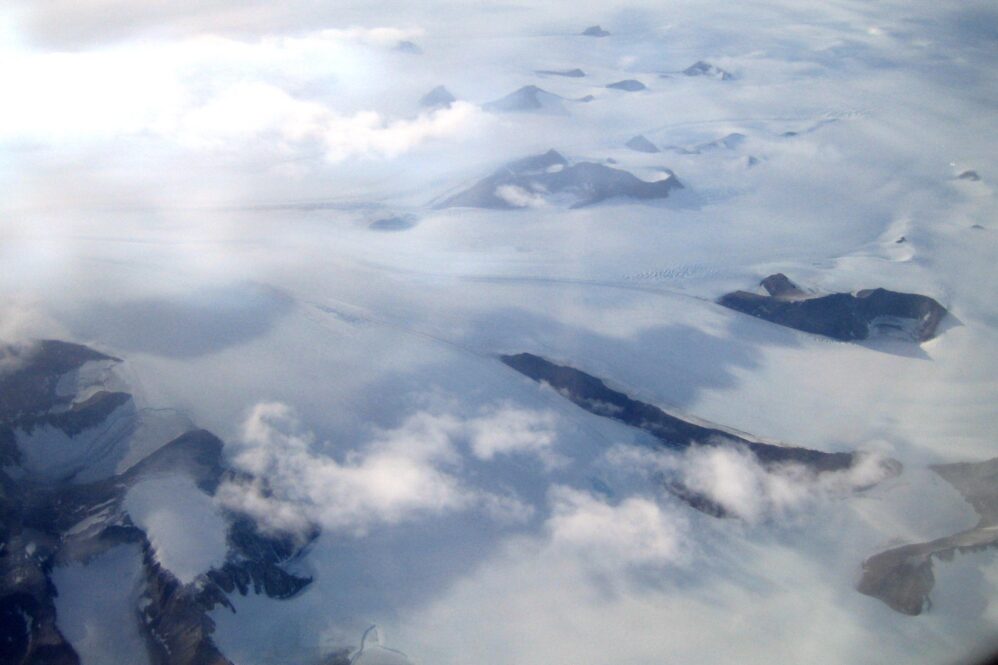
New Coastline Emerges as Greenland’s Glaciers Retreat
In a striking illustration of climate change’s impact, Greenland has gained more than 1,600 kilometers of new coastline as its glaciers continue too retreat at an accelerating pace. This dramatic reshaping of teh landscape not only alters the geography of one of the world’s largest ice-covered regions but also raises important questions about the environmental and economic consequences of such a meaningful loss of ice. As researchers closely monitor these developments, the implications for local ecosystems, rising sea levels, and global climate patterns become increasingly significant. This new coastline,born from melting ice,presents both challenges and opportunities,marking a pivotal moment in the ongoing discourse surrounding climate resilience and adaptation.
Impacts of glacier Retreat on Greenland’s geography and Ecosystem
The retreat of glaciers in Greenland has lead to significant geographical and ecological transformations, most notably the dramatic increase in coastline. As glaciers recede, newly exposed lands are revealing vast areas previously hidden beneath ice, which not only reshapes the physical landscape but also provides fertile ground for new ecosystems. Researchers estimate that over 1600 km of coastland has emerged, introducing various geographic features such as lagoons, tidal flats, and wetlands.
This newly unveiled coastline creates unique habitats that support a diverse array of species. Coastal ecosystems are experiencing a shift, attracting new flora and fauna that thrive in the changing environment. Among these, many are migratory birds, fish, and marine mammals that utilize the enriched nutrient supply available in the newly formed habitats. Furthermore, the overall biodiversity is expected to increase as species adapt to these emerging conditions.
However, the ecological advantages come with challenges. The changing landscape presents risks such as increased erosion and altered salinity levels, which can impact existing marine life. The potential for *invasive species* to establish themselves in these newly created environments poses an additional threat to the delicate balance of native ecosystems. Ongoing research is crucial to understanding these impacts and formulating strategies to support enduring interactions between human activities and natural processes in the region.

Economic Opportunities Arising from Expanded Coastline and Resources
The recent retreat of glaciers in Greenland has unveiled over 1600 km of new coastline, presenting a remarkable set of economic prospects. This expansion not only alters the geography but also opens avenues for resource extraction, tourism, and sustainable growth. As the Arctic environment undergoes conversion, key areas of interest are gaining momentum, fostering local and international investment.
One of the most significant implications is the potential for increased fishing and aquaculture opportunities. The newly accessible waters are rich in marine life, enticing commercial fisheries that coudl bolster local economies. Moreover, as global demand for sustainable seafood rises, Greenland’s unique position could see it emerge as a leader in sustainable fishing practices. Additional benefits may include job creation and infrastructure development as new companies and ventures establish operations along the coast.
Moreover, the tourism sector stands to benefit substantially from the expanded coastline.With breathtaking landscapes and unique Arctic experiences,greenland could attract a growing number of eco-conscious travelers. Key areas to focus on include:
- Adventure tourism: Activities like kayaking, hiking, and wildlife watching.
- Cruise tourism: The potential for establishing new cruise routes along the coast.
- Cultural tourism: Showcasing indigenous culture and traditions through immersive experiences.
As investments in these sectors increase, establishing a balance between development and conservation will be essential to preserve Greenland’s unique environment and culture.
Addressing Climate Change: Strategies for Sustainable Development in Greenland
The retreat of glaciers in Greenland has not only transformed the landscape but has also intensified discussions surrounding sustainable development.As the icy expanses give way to new coastlines, opportunities for economic development arise, prompting the necessity for targeted strategies that balance growth with environmental integrity. Local communities, researchers, and policymakers are now faced with the task of leveraging these changes to promote resilience and sustainability in a rapidly shifting climate.
To navigate these challenges, several Key strategies emerge, including:
- Investing in Renewable Energy: Transitioning to wind, solar, and hydroelectric sources is vital to reduce greenhouse gas emissions, which directly contribute to climate change.
- Enhancing Biodiversity Conservation: Protecting fragile ecosystems that emerge along the new coastlines is essential for maintaining local biodiversity and the services it provides.
- Strengthening Infrastructure: Developing climate-resilient infrastructure will help communities withstand the impacts of flooding and erosion exacerbated by rising sea levels.
Additionally,collaboration among indigenous peoples,scientists,and government entities is critical for formulating localized solutions that honor customary knowledge and practices. Establishing research partnerships can provide data-driven insights essential for forecasting environmental changes and implementing adaptive measures.By prioritizing education and community engagement, Greenland can set a precedent for sustainable development practices that acknowledge the complex interplay between climate change and its socio-economic impacts.
Wrapping Up
As Greenland continues to experience significant changes due to climate dynamics, the loss of glacial mass has inadvertently resulted in the emergence of over 1,600 kilometers of new coastline. This unprecedented shift not only reshapes the geography of the region but also raises critical questions about ecological impacts, local communities, and global sea-level trends. As researchers and policymakers grapple with the implications of this transformation, it becomes increasingly vital to understand the interplay between climate change and coastal ecosystems. The evolving landscape of Greenland serves as a stark reminder of the urgent need for comprehensive climate action and sustainable management practices to navigate the challenges posed by a warming planet. Stay informed as we continue to track these developments and their broader significance for our environment and future generations.


