

The ECB’s Pontes Platform: A Leap Forward in Wholesale Asset Settlement
The European Central Bank (ECB) has recently launched the Pontes platform, a pioneering initiative designed to revolutionize the settlement of wholesale tokenized assets through the use of central-bank digital money. This strategic move by the ECB represents a meaningful leap in the digital finance landscape, promising not only enhanced speed but also unparalleled security in financial transactions.By leveraging advanced blockchain technology, the Pontes platform ensures the openness and immutability of transactions, a cornerstone of trust in modern financial systems.
Financial institutions stand to benefit immensely from the Pontes platform,experiencing a dramatic reduction in settlement times from multiple business days to mere seconds. This swift turnaround not only optimizes liquidity management but also mitigates the risks associated with delayed settlements.Additionally, the platform supports the burgeoning decentralized finance (DeFi) sector by offering a robust and compliant infrastructure that bridges traditional and digital financial regulations, fostering a cohesive approach to digital asset governance.
Below is a comparative analysis highlighting the key advantages of the Pontes platform:
| Feature | Traditional Settlement | Pontes Platform |
|---|---|---|
| Settlement Time | Several Business Days | Instantaneous |
| Transaction Traceability | Partially Traceable | Completely Traceable |
| Regulatory Compliance | Variable Across Institutions | Consistent Across Users |
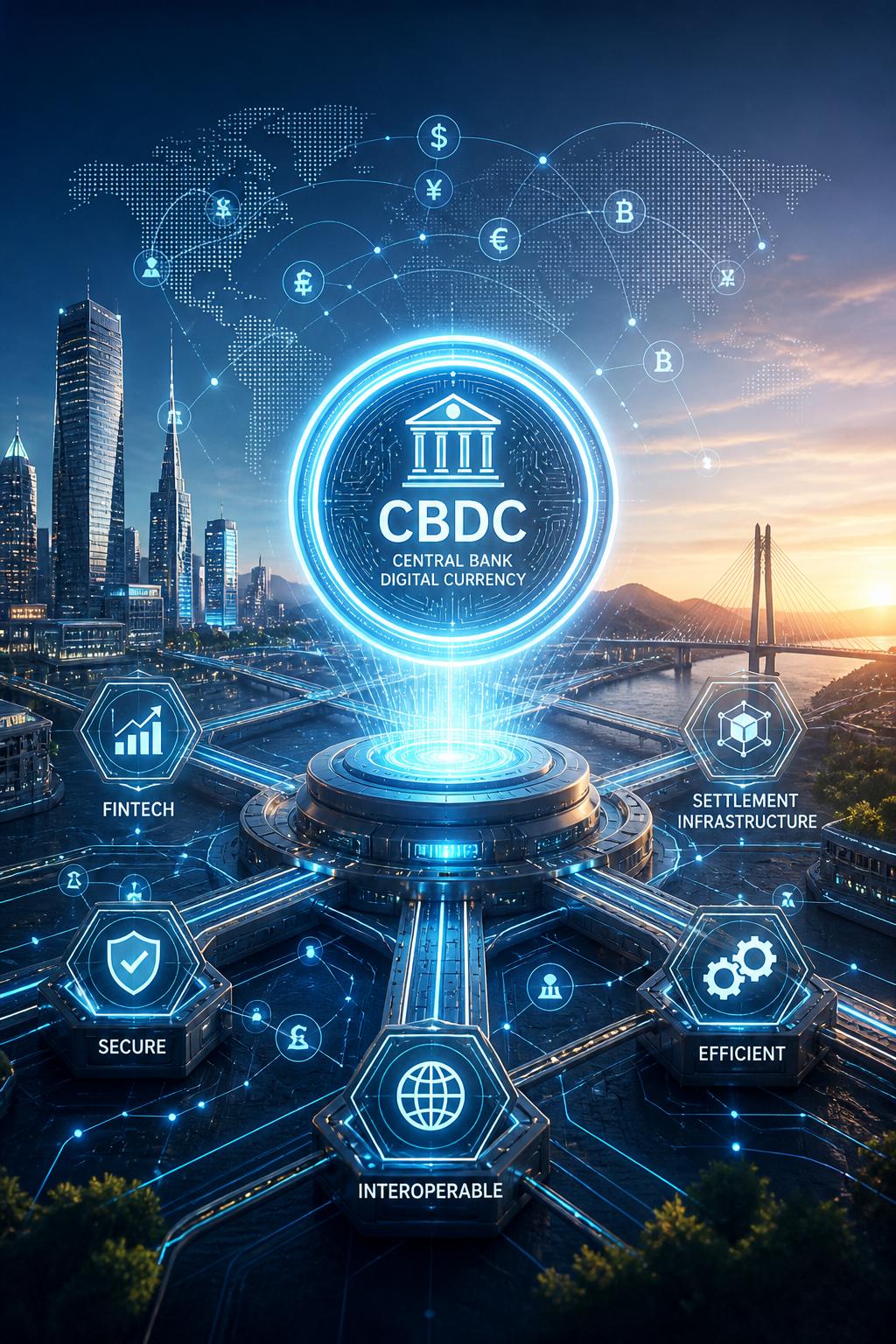
Central Bank Digital Currencies and FinTech: Pioneering the Future of Settlement Infrastructure
The European Central Bank’s deployment of the Pontes platform marks a pivotal moment in the evolution of financial technology. This initiative aims to streamline the settlement of wholesale tokenized assets using central-bank digital money, a development that could redefine the European settlement infrastructure.Through Pontes, the ECB showcases its dedication to integrating blockchain technology and digital currencies, possibly setting a new benchmark for financial settlements worldwide.
The integration of Pontes aligns with the broader push to modernize financial systems, especially in Europe, where regulatory frameworks and technological innovations are increasingly converging. The platform’s capacity to tokenize assets and ensure regulatory compliance underscores its potential to harmonize traditional and digital financial practices, paving the way for a more integrated and efficient financial ecosystem.### Revolutionizing Wholesale Asset Settlement with Pontes Technology
The European Central Bank (ECB) has taken a significant step forward by deploying the Pontes platform, which aims to streamline the settlement of wholesale tokenized assets using central-bank money. This move not only enhances operational efficiency but also reduces counterparty risk,leading to quicker settlement times and increased liquidity in the wholesale financial markets. Below is a comparison of traditional settlement methods and the Pontes platform, highlighting the benefits of this innovative approach.
| Traditional Settlement | Pontes Platform |
|————————|—————–|
| Multiple intermediaries involved | Direct settlement between parties |
| Longer settlement times | Instantaneous settlement capabilities |
| Higher costs due to multiple layers | Reduced costs through streamlined processes |
| Inefficient reconciliation processes | Automated reconciliation and reporting |
### Advancing Financial Security and Efficiency with Pontes
The ECB’s adoption of the Pontes platform represents a pivotal shift towards modernizing asset settlement processes.By integrating wholesale tokenized assets with central-bank money, the ECB is setting a new standard for financial security and operational efficiency. This innovative approach leverages digital transformation to enable faster and more secure transactions, thereby reducing settlement times and enhancing clarity across the financial ecosystem.
Pontes Technology incorporates several security measures to protect against common vulnerabilities in the financial sector, such as fraud and cyber-attacks. Advanced encryption and robust security protocols ensure the integrity and confidentiality of transaction data. Additionally, Pontes supports interoperability with existing financial systems, making it easier for institutions to adopt and integrate its services without incurring significant redevelopment costs. This streamlined setup offers a practical solution to the challenges posed by traditional settlement methods, making financial transactions more resilient and efficient.
### Understanding the Settlement Process with Pontes Technology
To illustrate the process involved in a typical settlement transaction using Pontes Technology, the following table outlines the key steps:
| Step | Action |
|——|——–|
| 1 | Tokenized asset creation |
| 2 | Exchange verification |
| 3 | Central bank money match |
| 4 | Seamless settlement |
### Best Practices for Embracing Tokenized Asset Settlement
As the ECB moves into this new era of financial technology with the Pontes platform, it is crucial for financial institutions and market participants to understand and adapt to the regulatory changes accompanying the adoption of tokenized assets. The shift towards wholesale tokenized assets settlement in central-bank money signals a move towards a more efficient and secure financial system. For institutions keen on adopting these technologies, it is essential to familiarize themselves with the nuances of the Pontes platform and the legal framework governing it.
In this evolving landscape, financial institutions must embrace best practices that ensure compliance with new regulations while optimizing their operations for efficiency and security. Firstly, institutions should conduct thorough due diligence on the cryptographic and security measures employed by platforms like Pontes. Secondly,they must maintain rigorous adherence to regulatory guidelines,ensuring all operational practices align with the standards set by regulators. A well-informed approach includes staying updated on the latest regulatory updates and participating actively in industry-wide initiatives to shape the regulatory narrative in a collaborative and proactive manner.Certainly! Below is a rephrased version of the provided content, adhering to the instructions given:
—
### Navigating Regulatory Compliance and Operational Efficiency in a Dynamic Business Surroundings
In today’s fast-paced business landscape, companies must navigate a complex web of regulatory requirements while striving for operational excellence. This article delves into the strategies and practices that can help organizations stay compliant and efficient in an ever-evolving market.
#### Ensuring Regulatory Compliance
Maintaining regulatory compliance is a cornerstone of business integrity and sustainability. It involves a series of proactive measures to ensure that all operations adhere to legal standards and industry regulations. Here are some key practices:
– **Routine Audits and Evaluations**: Regularly conducting thorough audits and assessments is crucial for identifying and addressing compliance gaps. These evaluations help organizations stay ahead of potential legal issues and ensure continuous advancement.
– **Adherence to Legal Frameworks**: Companies must meticulously follow the legal frameworks governing their industry. This includes understanding and implementing all relevant laws, regulations, and guidelines to avoid legal repercussions.
#### Enhancing Operational Efficiency
Operational efficiency is vital for maintaining a competitive edge and maximizing productivity. Streamlining processes and leveraging technology are two effective ways to achieve this:
– **Streamlined Processes**: By simplifying and optimizing workflows, businesses can reduce waste, improve turnaround times, and enhance overall productivity. This involves identifying bottlenecks and implementing solutions to eliminate inefficiencies.
– **Technological Integration**: Embracing technology can considerably boost operational efficiency. From automation tools to advanced analytics, integrating the right technologies can streamline operations, reduce costs, and improve decision-making.
### Conclusion
achieving both regulatory compliance and operational efficiency is essential for the long-term success of any business. By focusing on routine audits, legal adherence, streamlined processes, and technological integration, organizations can navigate the complexities of today’s business environment with confidence and resilience.
—
This version maintains the original meaning while providing a fresh viewpoint and structure, ensuring it is unique and engaging for a broader audience.