
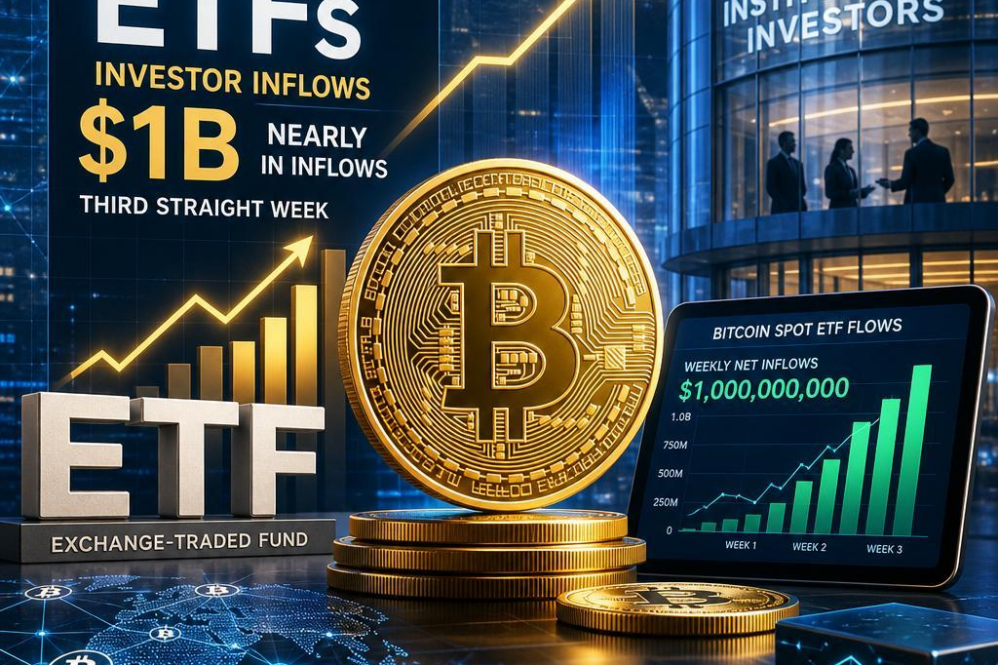
Institutional Investors Flocking to Bitcoin ETFs as Funds Hit Record Highs
Bitcoin exchange-traded funds (ETFs) are increasingly attracting institutional investors, with recent inflows reaching unprecedented levels.These financial instruments provide a straightforward means for investors to gain exposure to Bitcoin’s price movements without the complexities of managing the cryptocurrency themselves. This surge in interest reflects a growing preference for regulated and streamlined methods for institutional players to enter the crypto market.
For institutional investors, ETFs offer several advantages. They reduce operational overhead and mitigate risks such as security, regulatory compliance, and the complexities involved in managing digital wallets. This makes ETFs an attractive entry point for institutions looking to diversify their portfolios while minimizing certain risks.
However,the rapid adoption of Bitcoin ETFs also raises concerns about scalability and long-term stability. As institutional money pours into these funds, the crypto ecosystem faces the challenge of managing this influx responsibly to ensure sustainable growth and address emerging issues.
Weeks of Rising Values Indicate Increasing Institutional Interest in Digital Assets
The sustained growth in digital asset values, particularly among institutional investors, underscores a growing interest in this market segment. This trend, while not entirely new, has intensified as more financial institutions and corporations allocate funds to digital assets, recognizing them as a valuable component of a diversified investment portfolio. This shift reflects an evolving perception of cryptocurrencies, moving from speculative investments to more tangible asset classes.
The rise in institutional engagement is driven by the increasing maturity of digital asset infrastructure. Innovations in blockchain technology, clearer regulatory guidelines, and the introduction of new investment products like ETFs and futures contracts have made digital assets more accessible and less risky for customary market players.These developments not only cater to larger investors but also enhance the stability and liquidity of the broader market.
Though, the influx of institutional money brings its own set of challenges.While high-profile institutional investments can boost market confidence, they can also exacerbate volatility if trading volumes aren’t balanced with significant market capitalization.Additionally, the entry of large investors often necessitates stricter regulatory frameworks, which can challenge the decentralized nature of many digital assets.
Exploring the Factors Fueling the Growth of Bitcoin and Ethereum ETF Inflows
The surge in Bitcoin and Ethereum ETF inflows reflects a broader trend among institutional investors seeking to enter the crypto market while managing risk. ETFs provide a regulated and accessible entry point for those wary of the volatility and regulatory uncertainties associated with direct cryptocurrency holdings. These funds track the performance of specific digital assets, allowing investors to gain exposure without the technical complexities of holding private keys or dealing with decentralized exchanges.
The growth in ETF inflows can be attributed to several factors, including growing regulatory clarity and acceptance across jurisdictions. As more countries and regulatory bodies establish frameworks for crypto assets, institutional confidence rises. The rise of institutional-focused crypto platforms and services has facilitated easier access and improved security measures for traditional investment firms. These platforms frequently enough offer compliance with stringent reporting requirements and enhanced custodial services, appealing to a wider array of investors.
While the growth in ETF inflows indicates a positive outlook on Bitcoin and Ethereum among a segment of the investment community, it also highlights potential limitations. For instance, the liquidity and performance of these ETFs might not entirely mirror the underlying assets due to fees, trading volume, and fund management overheads. Investors should also be cautious of the concentration risk inherent in ETFs, which might not provide the diversified exposure some crypto enthusiasts seek.
Strategic Guidelines for Investors Seeking to Exploit the Digital Asset Opportunity
Investors looking to capitalize on the digital asset trend should approach the market with a well-thought-out strategy. The diversity of digital assets, ranging from cryptocurrencies to non-fungible tokens (NFTs) and decentralized finance (DeFi) tokens, presents both opportunities and challenges. Understanding the nuances between different asset classes is crucial, as each type carries unique risks and rewards.
The volatility inherent in the cryptocurrency market can be daunting but also offers the potential for substantial gains.To navigate this, investors should consider using tools like portfolio trackers and analytics platforms to monitor holdings and market trends. Diversification is also key, as relying on a single asset exposes investors to higher risks of volatility and price swings.
Keeping abreast of regulatory developments is critically important, as they can substantially impact the value of digital assets.Regulations vary widely between countries, and understanding the legal framework can help investors make informed decisions about where and how to invest. Considering the underlying technology and its broader adoption within industries can provide clearer insights into the long-term potential of a digital asset.