

What Is Cold Storage and Why It Matters
Cold storage refers to holding cryptographic keys and digital assets in an environment that is deliberately kept offline to prevent remote access. Unlike ”hot” wallets-software connected to the internet for frequent transactions-cold storage removes private keys from networked devices, closing the most common avenue attackers use to steal funds. The approach can be applied to individual coins, collections of tokens, or institutional reserves, and it underpins the custody strategies adopted by long-term investors, exchanges, and custodians seeking to minimize systemic risk.
It’s value is straightforward: reducing attack surface dramatically lowers the chance of hacks, phishing, malware, and remote compromise. Common cold-storage methods include the following unnumbered list that captures the practical options used today:
- Hardware wallets - purpose-built devices that store keys in a secure chip;
- Paper/steel wallets - printed or engraved private keys or seed phrases kept in secure physical locations;
- Air-gapped computers - machines never connected to the internet used to generate and sign transactions;
- Multisignature (multisig) setups – distributing signing authority across multiple offline devices or custodians.
Why this matters in practice: as crypto values and institutional participation grow, so do targeted attacks and high-profile exchange thefts, making custody decisions consequential for financial security. cold storage is not risk-free-loss, physical theft, or damaged backups can be catastrophic-so journalists and security professionals alike stress clear, documented procedures. Recommended measures include securely backing up seed phrases (ideally on durable media), testing recovery processes before large transfers, using multisig for shared custody, keeping firmware and software minimal and up to date, and avoiding digital copies or photos of critical keys. These safeguards balance the strong security benefits of cold storage with the operational realities of access and recovery.
How Hardware Wallets, Paper Backups and Air‑Gapped Systems Work
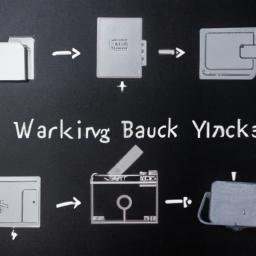
Hardware wallets keep your private keys in a tamper‑resistant chip and perform cryptographic signing inside the device so the keys never leave the unit. A connected computer or phone onyl sees signed transactions, not the raw keys, and the device typically requires a PIN and optional passphrase for use. Strong operational features include:
- Secure element or isolated microcontroller that stores keys
- On‑device transaction display and confirmation to prevent spoofing
- Recovery seed generation and firmware attestation
These devices dramatically reduce remote‑attack surface, but security still depends on supply‑chain integrity, correct seed backup, and careful firmware update practices.
Paper backups are the simplest offline method: a printed or handwritten seed phrase (mnemonic) or raw private key stored on paper or metal.They are intrinsically offline and therefore immune to malware,but physical risks dominate – loss,theft,water,fire,and accidental disclosure. Best practices include:
- Write the seed exactly as generated (use BIP‑39 standards when applicable)
- Store multiple copies in geographically separated, secure locations
- Consider metal plating or stamped steel for fire/water resistance
A paper backup is a critical part of any recovery plan but must be protected like any high‑value physical asset.
Air‑gapped systems take the offline concept further by isolating a key‑generation device (a dedicated computer or hardware) from all networks. keys are created and transactions are signed on the offline machine; unsigned transactions are transferred to an online broadcaster using secure channels such as QR codes, microSD, or physically carried USB devices – keeping the signing environment clean. Operational guidance for air‑gapped setups includes:
- Verify software checksums and use reproducible builds before installation
- Use a watch‑only online wallet or hardware wallet to preview transactions before broadcasting
- Regularly test recovery procedures and combine with multisig for added resilience
When implemented correctly, air‑gapping offers one of the strongest practical defenses against remote compromise, but it requires disciplined maintenance and careful transfer procedures to avoid human error.
Best Practices and Risks for Long‑Term Offline Crypto Storage
Long-term offline storage of cryptocurrency hinges on a simple journalistic fact: what you cannot recover, you have lost forever. Poor practices – a single paper seed tucked in a desk drawer, unrecoverable hardware, or an untested backup - lead to permanent loss or theft. Physical threats such as fire, water damage, corrosion and targeted burglary are as real as digital attacks; social-engineering and insider risks compound the danger. Maintaining clear custody of private keys while preserving accessibility for legitimate recovery is the central trade‑off custodians and individuals must navigate.
Practical safeguards are straightforward and repeatable.Experts recommend a layered approach that includes:
- Hardware wallets from reputable vendors and keys generated in an air‑gapped environment.
- Durable seed backups (metal engraving or specialized plates) stored in multiple, geographically separated locations.
- Multisignature schemes to eliminate single points of failure and to distribute trust among trusted parties or devices.
- Use of a BIP39 passphrase or equivalent for added entropy, plus encrypted backups and tamper‑evident packaging.
- Clear written instructions and an inheritance plan that authorizes a trusted executor to recover funds without exposing keys publicly.
- Routine test recovery procedures before long‑term sealing and periodic audits to ensure formats and hardware remain usable.
Long‑term custodianship also carries evolving risks: hardware and software obsolescence, changing crypto standards, legal complications and the remote possibility of future cryptographic breakthroughs. To mitigate these, document device models, firmware versions and recovery steps; schedule reviews every few years; and avoid vendor lock‑in when possible. For large holdings consider professional vaulting services, legal counsel for estate planning, and limited, staged access for heirs. Above all,treat key management as an ongoing operational task rather than a one‑time checklist – vigilance and testing are the only reliable defenses against permanent loss.
As cryptocurrency matures from niche experiment to mainstream asset, cold storage remains the single most effective tool for removing private keys from the reach of online attackers. Whether you choose a hardware wallet, an air-gapped device, multisignature arrangements or durable paper/metal backups, the goal is the same: keep the secret that controls your coins physically separated from the internet.
That separation reduces theft risk dramatically but introduces other hazards – physical loss, damage, human error and supply‑chain compromises. Good practice balances those tradeoffs: buy devices from trusted vendors, verify firmware and seed generation, encrypt and distribute backups across secure, geographically separated locations, use metal backups for longevity, and rehearse recovery procedures before committing notable funds.
For larger or institutional holdings, consider multisig setups and professional custodial options; for individual holders, a combination of a reputable hardware wallet and a tested backup strategy will cover most needs. Above all, never treat cold storage as a “set and forget” task: review security assumptions periodically, keep software and procedures current, and be wary of anyone promising effortless access to your keys.
Cold storage is not a silver bullet,but used correctly it turns one of crypto’s biggest vulnerabilities – the private key – into a manageable risk. Educate yourself, start small, test your recovery, and scale responsibly. In the evolving world of digital assets, thoughtful custody is as significant as the assets themselves.


