

– Understanding Bitcoin Wallets: Types and Features
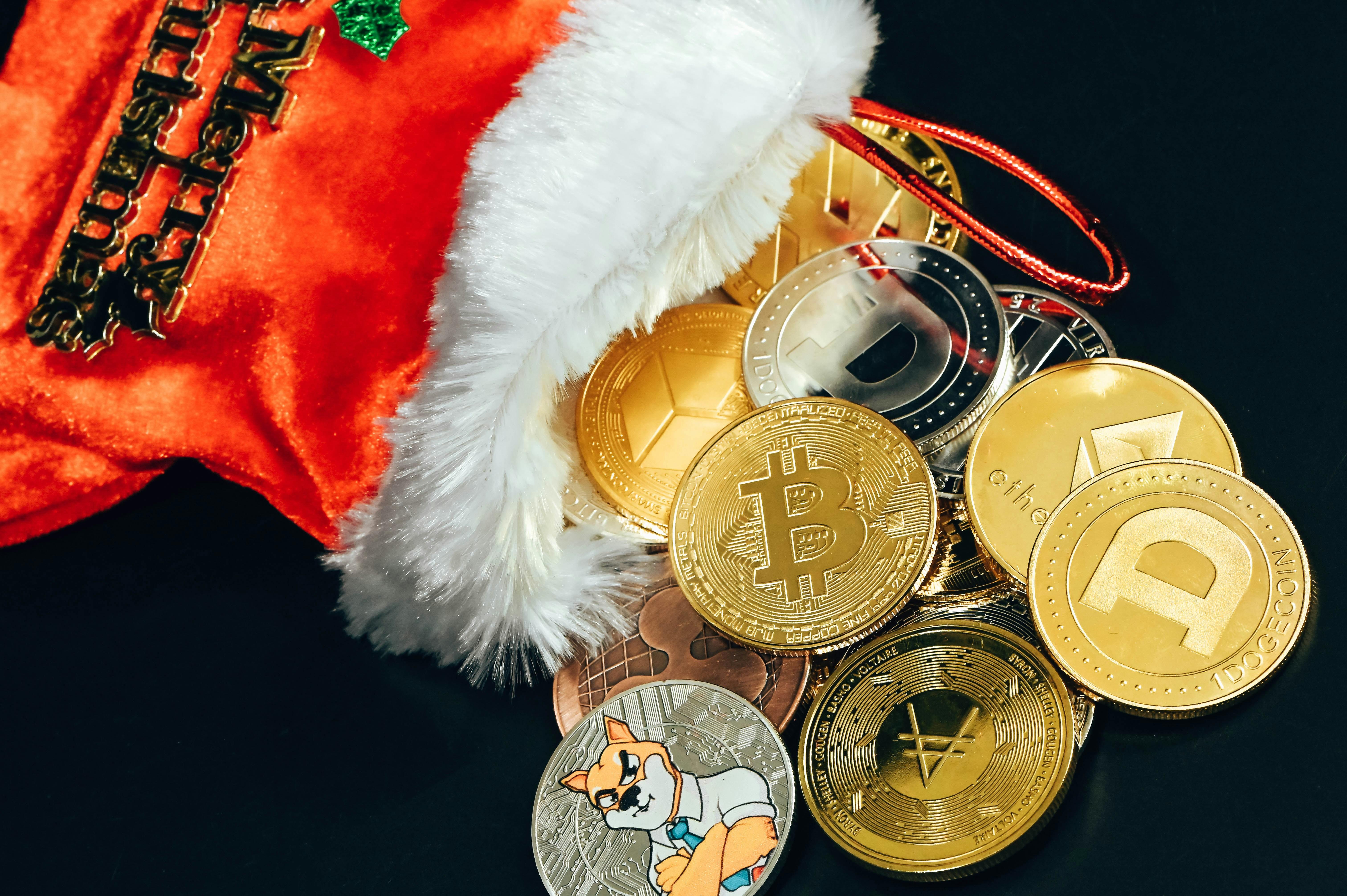
Types of Bitcoin Wallets:
Desktop wallets: Installed on your computer, providing strong security but requiring technical knowledge. Examples include Exodus and Armory.
Mobile wallets: Convenient for on-the-go use, offering basic features but with potential security risks. Some examples are BRD and Coinbase Wallet.
Web wallets: Stored online and accessible from any device. Ease of use, but less control over your private keys. Examples include Blockchain.com and MyEtherWallet.
Hardware wallets: Physical devices resembling USB drives, offering the highest level of security but requiring a physical connection for transactions. Examples include Trezor and Ledger Nano.
* Paper wallets: Printable physical documents containing your public and private keys. They are air-gapped and secure, but retrieving funds requires access to the original document.
– Key Considerations for Selecting a Bitcoin Wallet: Security, Convenience, and Support
Security:
When choosing a Bitcoin wallet, security should be your top priority. Look for wallets that offer strong encryption, two-factor authentication, and multi-signature support. Hardware wallets, which store your private keys offline, provide the highest level of security but may be less convenient.
Convenience:
Convenience is another important factor to consider, especially if you plan on transacting frequently. Choose a wallet that offers the features you need, such as mobile support, easy-to-use interfaces, and quick transaction times.
Support:
When choosing a Bitcoin wallet, it’s essential to consider the level of support offered. Look for wallets that have dedicated customer service teams, comprehensive documentation, and active user communities. Timely and helpful support can be invaluable in case you encounter any issues.
Type of Wallet:
Various types of Bitcoin wallets exist, each with its advantages and disadvantages. Hardware wallets are highly secure but may be less convenient, while software wallets are convenient but potentially less secure. Other options include mobile wallets and paper wallets.
Compatibility:
Ensure that your chosen wallet is compatible with your devices and operating systems. Mobile wallets are designed for smartphone use, while desktop wallets are intended for use on computers. Choosing a wallet compatible with your preferred hardware and software configurations is crucial.
By carefully considering the factors we have outlined, you can make an informed decision about the best Bitcoin wallet for your specific needs. Remember, the security of your Bitcoin depends on choosing a reputable and reliable wallet provider. We strongly encourage you to conduct thorough research and consult with experts before making your final choice. By following these recommendations, you can safeguard your digital assets and confidently navigate the world of Bitcoin.


