
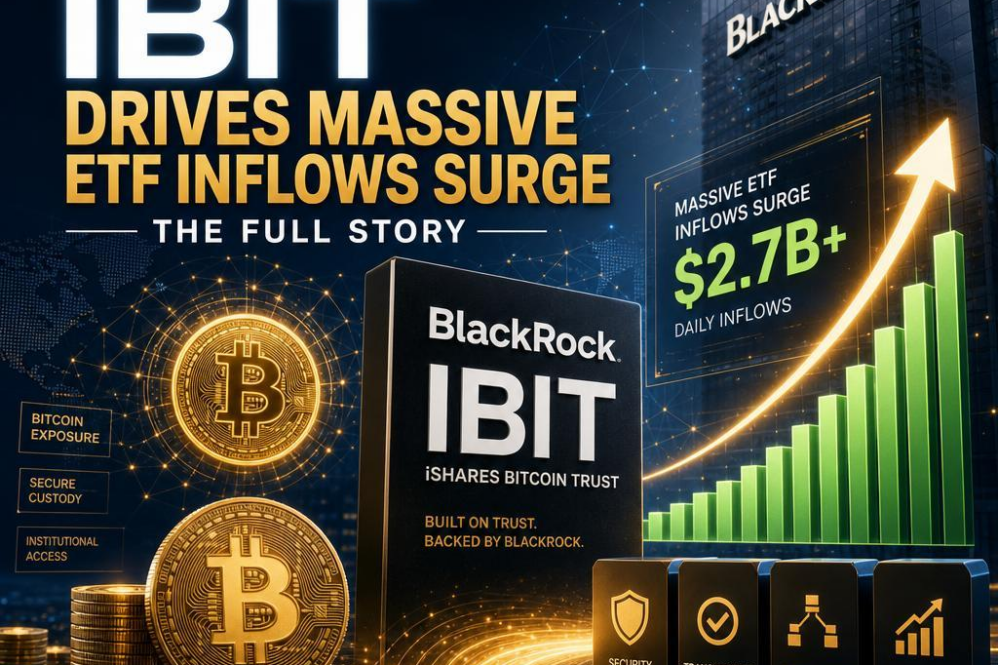
BlackRock’s IBIT Tops Bitcoin Spot ETFs with Record Capital Inflows
BlackRock’s iShares Bitcoin Trust (IBIT) has witnessed a substantial surge in capital inflows, solidifying its position as the leading Bitcoin ETF in the spot market. As its inception, IBIT has attracted a notable number of investors seeking exposure to digital currencies without the intricacies of direct ownership. This success underscores the increasing institutional interest in Bitcoin, as the trust offers a regulated and transparent investment avenue.
The rise of IBIT aligns with broader trends in the crypto industry, where traditional financial institutions are increasingly incorporating digital assets into their portfolios. By providing an ETF, BlackRock enables both individual and institutional investors to access the Bitcoin market through a familiar investment vehicle. This move enhances the accessibility and legitimacy of Bitcoin in traditional financial circles, bridging the gap between the crypto and conventional investment worlds.
Despite IBIT’s remarkable success, it’s crucial to recognize the challenges and uncertainties that accompany it. The regulatory surroundings surrounding crypto assets is complex and varies substantially across different jurisdictions, which can affect investor confidence and ease of entry. Additionally,the concentration of capital in a single ETF could influence market dynamics,impacting the supply and demand of Bitcoin within this framework. As IBIT continues to attract more investors, the scrutiny and potential regulation around crypto ETFs are expected to intensify, adding layers of complexity to the market.
Remarkable Increase in ETF Capital Shows Growing Institutional Interest in Bitcoin
The past quarter has seen a significant influx of capital into Bitcoin Exchange-Traded Funds (ETFs), signaling a notable shift in institutional investors’ perception of the cryptocurrency market. This trend is notably significant as the regulatory landscape continues to evolve, with recent approvals for new Bitcoin ETF listings in various jurisdictions worldwide. As large financial institutions increasingly view Bitcoin ETFs as a low-risk entry point into the crypto market,the demand for more regulated investment vehicles has surged.
The growing appetite for Bitcoin ETFs among institutions is driven by several factors, including the perceived stability and liquidity these products offer compared to direct bitcoin ownership. Moreover, recent regulatory developments have brought a new level of confidence to institutional investors who seek clearer guidelines and oversight in their investment strategies. While this influx of institutional money can potentially drive market growth,it’s also important to acknowledge the limitations and risks. For instance, the regulatory approval process can be lengthy and not all jurisdictions are equally welcoming to digital asset investments.
Despite these challenges, the growing acceptance of Bitcoin ETFs marks a pivotal moment in the digital currency ecosystem, bridging the gap between traditional finance and the new world of cryptocurrencies.As more institutional players enter the market through ETFs,there is greater potential to see broader adoption of Bitcoin across various financial sectors. This trend not only influences the dynamics within the cryptocurrency market but also sets the stage for further regulatory and investment developments in the coming years.
Experts Suggest IBIT as a Strategic Option for Cryptocurrency Diversification
Financial experts have recently recommended that strategic investments in the Institutional Bitcoin Trust (IBIT) could offer a elegant way to diversify cryptocurrency portfolios.IBIT,an investment tool,allows investors to gain exposure to Bitcoin’s performance without the technical complexities typically associated with direct cryptocurrency ownership. By holding shares in IBIT, investors can participate in the potential growth of the market without the need to set up wallets, understand private key management, or directly deal with the volatility of the crypto market.
This recommendation is based on the recognition that IBIT offers a stable, regulated avenue for institutional and individual investors to engage with Bitcoin’s price movements. The trust operates under stricter regulatory oversight compared to exchanges or direct trading platforms,thereby providing an additional layer of security and clarity for investors. This is particularly appealing to those who are wary of the legal and regulatory uncertainties that have historically surrounded the cryptocurrency market.
While the benefits of diversifying into IBIT are clear,it’s important to acknowledge that this approach isn’t without its limitations. The cost of holding IBIT shares, including management fees and potential bid-ask spreads, can impact overall returns. Additionally, the performance of IBIT is closely tied to the underlying Bitcoin market, meaning it is not immune to the same volatility and fluctuations affecting Bitcoin itself. Therefore, while IBIT provides a means to gain exposure to the cryptocurrency market, it is crucial for investors to understand the underlying risks and consider these factors alongside their investment goals.
Key Factors Fueling Institutional Investment in Bitcoin Spot ETFs
The surge in institutional investment into Bitcoin Spot ETFs reflects a broader maturation of cryptocurrency markets, offering institutions a regulated pathway to Bitcoin exposure. This shift underscores a growing institutional confidence in Bitcoin,which has traditionally operated without the regulatory oversight and protection of traditional financial instruments.
One of the key drivers behind this trend is the desire for transparency and ease of access. Bitcoin Spot ETFs are designed to track the price of Bitcoin directly, without the complexity of derivatives or borrowing mechanisms, making them appealing to a wider demographic of investors, including those who prefer straightforward investment vehicles. The regulatory approval of Bitcoin Spot ETFs, particularly by the Securities and Exchange Commission (SEC) in the United States, provides a significant endorsement of Bitcoin’s financial merit.
Though, it is indeed essential to acknowledge the limitations and potential risks involved. While these ETFs offer a more established framework for Bitcoin investment, they do not eliminate all the volatility and regulatory uncertainties inherent in Bitcoin trading. The performance of these ETFs is closely tied to the underlying value of Bitcoin, meaning they are subject to the same market fluctuations and speculative pressures. Despite these challenges, the growing interest suggests a recognition that Bitcoin ETFs could play a crucial role in institutional investment strategies, potentially paving the way for greater acceptance and integration of cryptocurrencies into traditional financial portfolios.